The Story
Why it exists.
The beginning
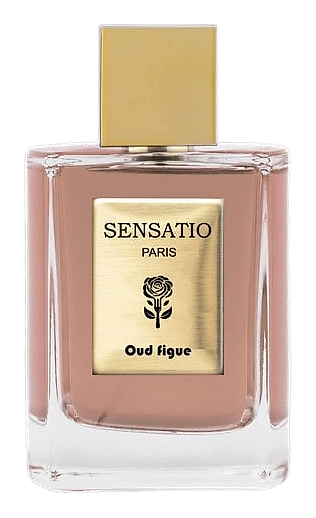
Oud Figue arrived in 2026 from French niche house Sensatio Paris, with Elise Pierre composing it. The brief is deliberately austere: fruit, tea, leather, incense, vetiver, and oud arranged without dessert softness. Its name points to the central meeting of fig and oud, two materials that can swing sweet or dry, edible or profound. Here, the fruit supplies the opening appetite and the base supplies gravity, giving the composition its central tension. Nothing needs a literal culinary story attached to it. The listed ingredients already establish the structure, moving from fig and maté through leather and incense toward vetiver and the two ouds.
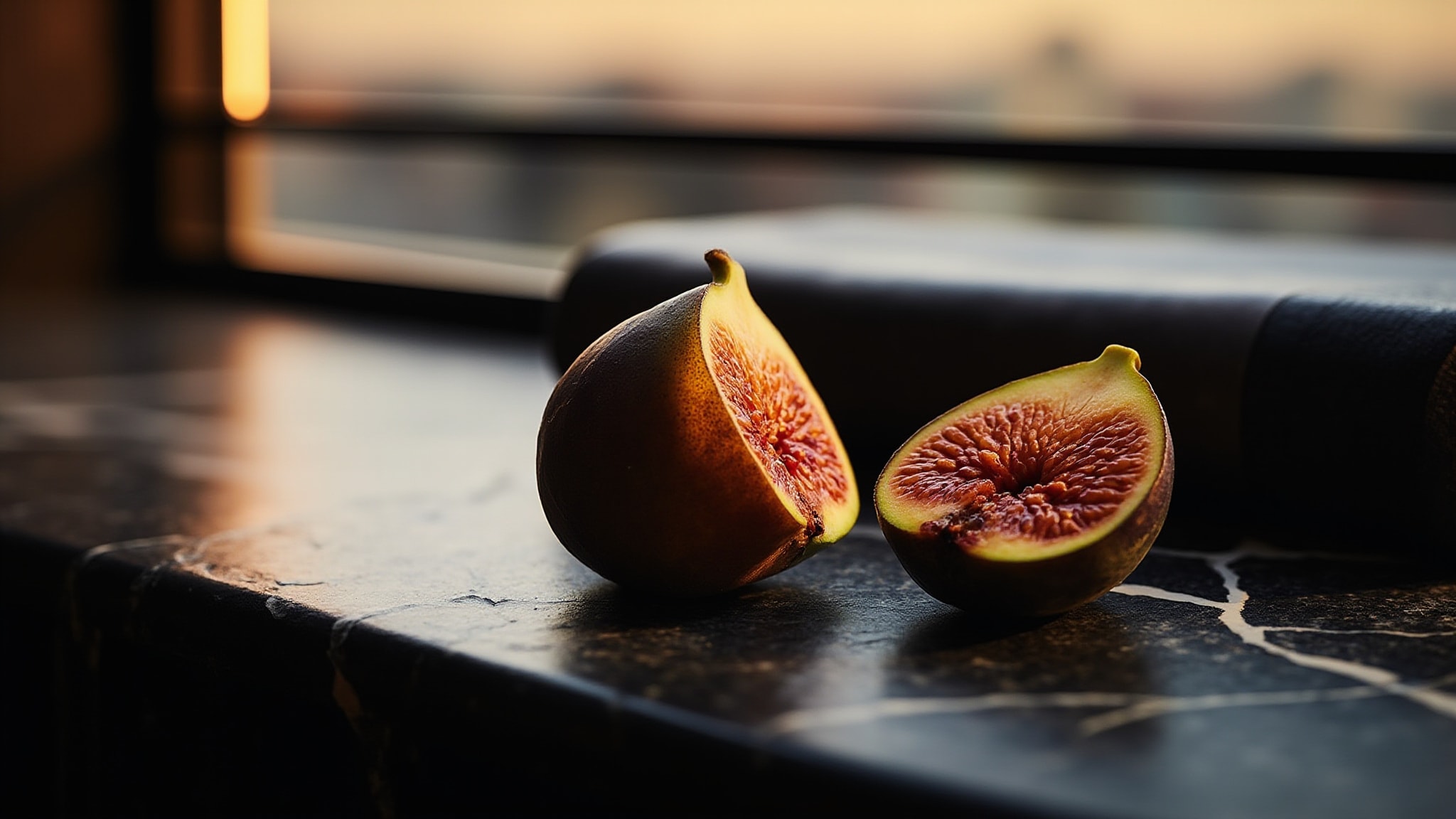
What makes the combination interesting is its refusal to settle into an obvious fig fragrance. Ripe fig brings fruitiness, while Brazilian maté absolute introduces bitterness. Leather adds another distinct texture to the composition. Then two ouds, one attributed to Cambodia and the other to Thailand, pull the structure toward the base, while Ethiopian frankincense contributes resin. Elise Pierre's achievement, judging from the note structure, lies in keeping these materials in relation.
The evolution
The first impression is immediate and almost blade-sharp: Italian bergamot supplies citrus brightness, Guatemalan cardamom adds green, peppery heat, and rose softens the edge without turning the opening conventionally floral. As those facets move inward, ripe fig becomes the attraction, joined by Brazilian maté absolute and leather. The fruit can read sweet for a moment, though the tea-like dryness keeps it from becoming syrupy. That phase feels denser and more tactile, with fruit placed against leather rather than served in a bowl. Later, the composition turns resinous and woody. Ethiopian frankincense, Haitian vetiver, Cambodian oud, and Thai oud form the drydown, leaving a composed trail rather than a deliberately attention-seeking one. The progression moves from citrus and spice to fruit, tea, leather, incense, vetiver, and oud.
Cultural impact
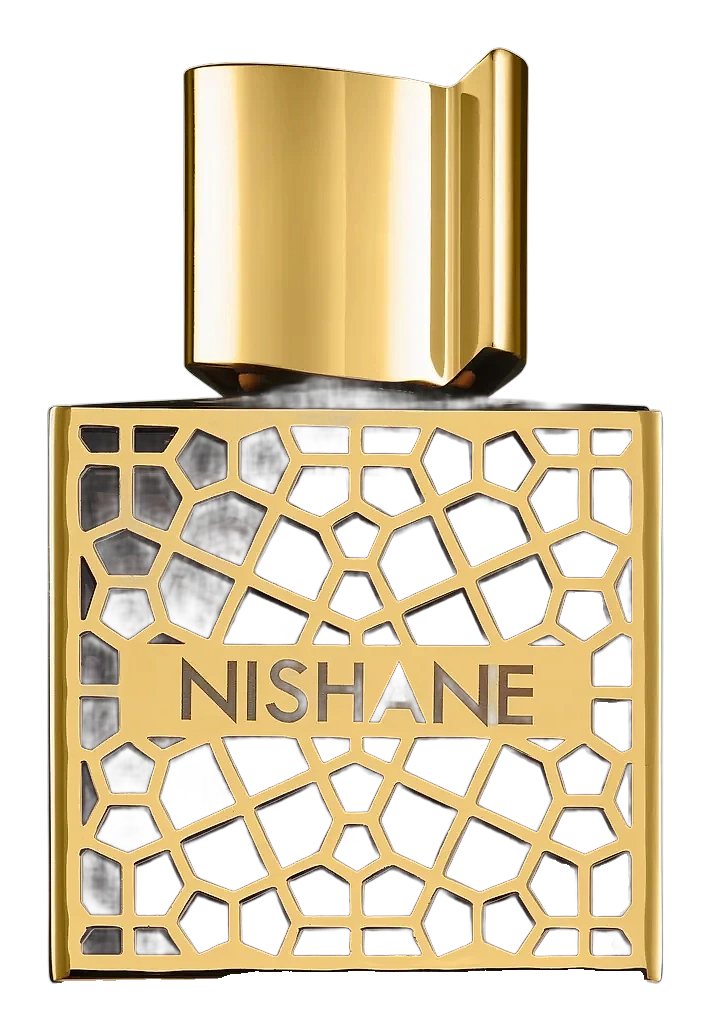
Oud Figue is built around a clear meeting of fruit, tea, leather, incense, vetiver, and oud. Its stated reference is Nishane's Nefs, while a wearer comparison draws a line to Mizensir's Perfect Oud. Those associations place the fragrance in conversation with other oud compositions, particularly through its fig note and its combination of fruit with woods and resins. The progression from bergamot, cardamom, and rose to ripe fig, maté, and leather gives the composition a recognizable arc before the incense, vetiver, and oud notes form its base.
The House
Sensatio ParisSensatio Paris is a niche fragrance house founded in Paris by two brothers, David and Sacha Perrin. The brand occupies a distinctive space where perfumery intersects with culinary artistry, creating scents that draw inspiration from gastronomy and haute cuisine. Each fragrance is conceived as an olfactory interpretation of flavor experiences, translating edible notes into wearable compositions. The house operates without a permanent in-house perfumer, instead collaborating with external talent to execute its vision. Sensatio Paris targets collectors and fragrance enthusiasts who appreciate unconventional approaches to scent creation, particularly those drawn to gourmand and food-inspired perfume categories.
The Creator
Elise PierreElise brings technical precision to emotionally resonant compositions. Her training in chemistry gives her confidence with synthetic materials, while her Normandy upbringing left her with an intuitive appreciation for natural ingredients, particularly those drawn from coastal…