
Heritage
A house, in its own words
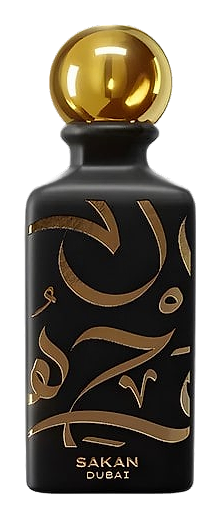
Sakan Dubai was founded in Dubai in 2024, according to the brand’s published introduction. Its founding idea connects the city’s long relationship with perfume to its present-day culture and architecture. That context is especially relevant in Dubai, where perfume traditions extend well beyond the arrival of Western fragrance brands. The house also shares its name and social handle with Sakan Perfumes, which promotes Sakan Dubai products through its own Instagram account and references a visit to MyZeil, a Dubai shopping destination. Several search results appear to merge information from other UAE fragrance businesses. These include a company established in 1979 under the name Haji Abdul Razzak Kalsekar, and a separate business established in the UAE in 1997. Neither record has been treated here as part of Sakan’s history. The reliable timeline begins with Sakan Dubai’s 2024 founding, leaving its founder, predecessor businesses, and earlier milestones publicly unconfirmed. Its earliest named fragrances, Jumeirah, The Palm, Al Barsha, and Gold Souq, also date to that launch year. This distinction matters because the label’s short history should not be expanded with claims that may belong to other Dubai perfume companies. Sakan frames Dubai as both its origin and its creative reference point. Its brand introduction describes the city as a meeting point for centuries-old perfume artistry and modern culture. The house does not present perfumery as a retreat from tradition, but as something that can coexist with contemporary life. The name Sakan itself is associated with sakan, an Arabic word for residence, home, or place of habitation, reinforcing a sense of belonging and local geography. That idea appears most clearly in the collection’s titles. Jumeirah, The Palm, Al Barsha, and Gold Souq are recognizable parts of Dubai rather than abstract marketing labels. In its Instagram copy, Sakan describes a fragrance direction as fresh, refined, and quietly powerful, describing it as a modern masculine scent for everyday presence. These words suggest a restrained approach centered on wearability and composure. However, the available material does not establish a detailed ingredient philosophy, a formal perfumery manifesto, or a specific connection to oud traditions. Sakan’s stated point of view is therefore grounded in place, contemporary masculinity, and the way perfume can feel integrated into daily life rather than reserved for ceremony alone.