

Heritage
A house, in its own words
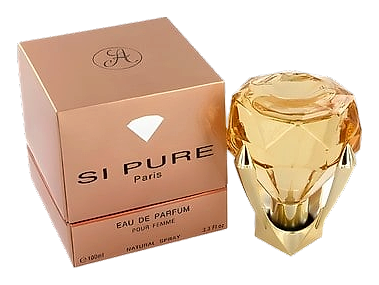
The documented history of Saint Amour as a fragrance house is sparse, and most of what is verifiable centers on its product releases rather than a linear founding narrative. The earliest known launch in the brand's catalog is Si Pure, dated to 1997, followed in the same year by Si Pure Summer, suggesting an origin story rooted in the mid-to-late 1990s European niche scene. The brand's name, Saint Amour, borrows from a small commune in the Beaujolais region of France, a fact that aligns its identity with French fragrance heritage even if the operational headquarters has not been independently confirmed. No widely cited independent sources document a specific founder, perfumer, or atelier address for the house, which is unusual for a brand of this era but not unprecedented among small-batch European lines. The Si Pure line appears to have served as the creative anchor, with the masculine counterpart, Si Pure Pour Homme, extending the concept into a shared fragrance family. Beyond these releases, publicly available information does not establish clear milestones, mergers, or relocations, leaving the brand's broader trajectory largely undocumented in mainstream fragrance press. Collectors familiar with 1990s niche perfumery occasionally reference the house in discussions of that period's lighter, more transparent aesthetic, but no major retrospectives or anniversary features have surfaced. What can be inferred about Saint Amour's creative direction comes almost entirely from the character of its known compositions. Si Pure and Si Pure Summer, both 1997, suggest a house philosophy built around clarity and freshness rather than the heavier orientals that dominated parts of the 1980s and early 1990s. The naming convention, 'Si Pure,' translates roughly to 'Yes, Pure,' which reads as a deliberate statement of intent: a stripped-down, unadorned approach to scent. The decision to release both a feminine and a masculine flank within the same family (Si Pure and Si Pure Pour Homme) points to a conceptual framework that sees fragrance as a variation on a theme rather than a strict gender binary. That Si Pure Summer exists as its own distinct release, rather than as a limited flanker, further suggests the brand valued contextual fragrance, seasonal expression as a legitimate creative category. Without published interviews or independent profiles of the founder or creative lead, any deeper claims about the brand's values must remain tentative. What survives in the public record is a consistent tonal identity: light, transparent, and built around a central olfactive idea rather than layered complexity.