Heritage
A house, in its own words
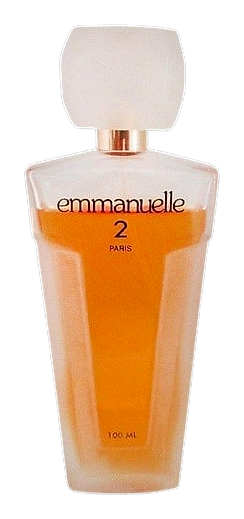
Royal Monceau emerged from the Parisian fragrance scene, a city whose perfume culture grew around royal courts, fashion houses and specialist perfumers. The house is most closely associated with Emmanuelle 2, introduced in 1980, a fragrance named for the celebrated Parisian woman associated with the Hotel de Crillon and the fictional world of the Emmanuelle films. Rather than presenting Royal Monceau through a long, verifiable lineage of founders or milestones, its history is rooted in the creation of that established scent and the development of a distinctive house style. The name Royal Monceau carries a distinctly Parisian character, linking the brand to the city's aristocratic and cinematic associations. The research available for this profile provides limited independent documentation of the company's founding date, founder and early development, so those details remain unspecified. What can be confirmed is the house's enduring connection to Emmanuelle 2, a fragrance that has remained a central part of its identity since 1980. Royal Monceau's creative direction is closely tied to the atmosphere of Parisian elegance, sensuality and refined surroundings. Emmanuelle 2 captures this sensibility through a floral heart that is lush without losing its polished character. The house's naming also reflects an interest in evocative storytelling. Emmanuelle 2 is not simply a fragrance name, it carries the cultural resonance of sophisticated Parisian nightlife, romance and a certain cinematic freedom. This approach places atmosphere ahead of trend language. The brand presents perfume as an accessory to a cultivated life, something intimate and expressive, while retaining the formal character associated with classic French perfumery. Independent sources in the supplied research offer little detail about Royal Monceau's internal creative process, and no perfumer is linked to the fragrance. Any broader account of the house's values should therefore be read through its established output rather than through unsupported claims about innovation or exclusivity.