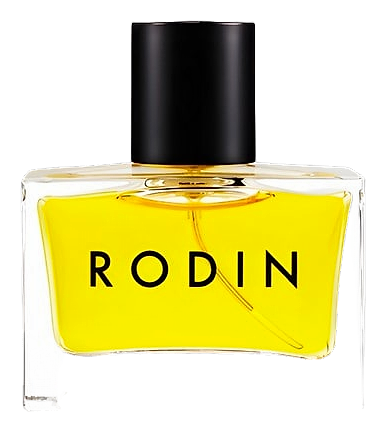

The Story
Why it exists.
The beginning
The Olio Lusso ethos asked a deceptively simple question: what does simple actually smell like? Not minimalist in the cold sense, simple like a white shirt done right. The answer arrived as jasmine, neroli, and lily of the valley arranged into something the brand called 'sensual' but the notes call something else entirely: effortless. The structure follows a clear progression: bright citrus opening, white floral heart, and a skin-close musk base. Three florals. Citrus. Musk. That was the brief. What emerged was a fragrance that trusts its materials enough not to complicate them.
What makes the structure interesting is what it leaves out. Jasmine leads from the top, not a heart note doing extra shifts, but the first thing skin meets. Neroli follows with its bitter-orange blossom cool. Lily of the valley adds a green edge that keeps the sweetness from tipping into syrup. The bergamot opens bright, then disappears. By the time the musk becomes apparent, several hours have passed. The florals don't vanish so much as recede, becoming a memory of presence rather than a current announcement.
The evolution
First impression: bergamot. Clean, direct, the smell of morning windows and black coffee. Thirty minutes in, jasmine arrives, not the heady Indian jasmine of heavier compositions, but something more restrained, almost cool. Neroli joins. The lily of the valley appears as a green whisper between the two florals, keeping each one honest. Within an hour, the whole composition settles into something intimate. Close enough to notice when someone leans in. By late afternoon, only the musk remains, warm, skin-like, still present. The next morning, faint traces on a pillow or a shirt collar. That's the tell. Most fragrances are gone by then. Rodin isn't.
Cultural impact
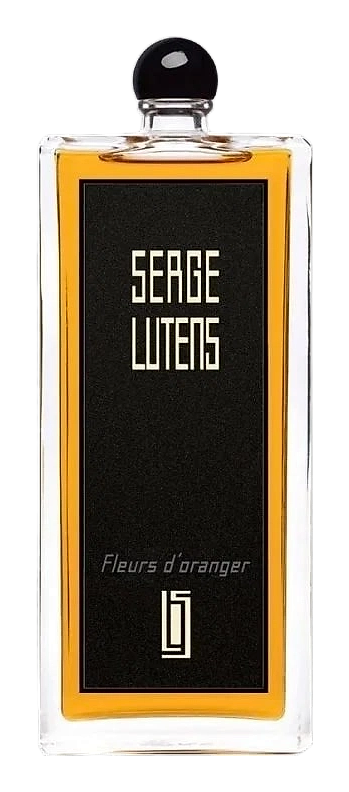
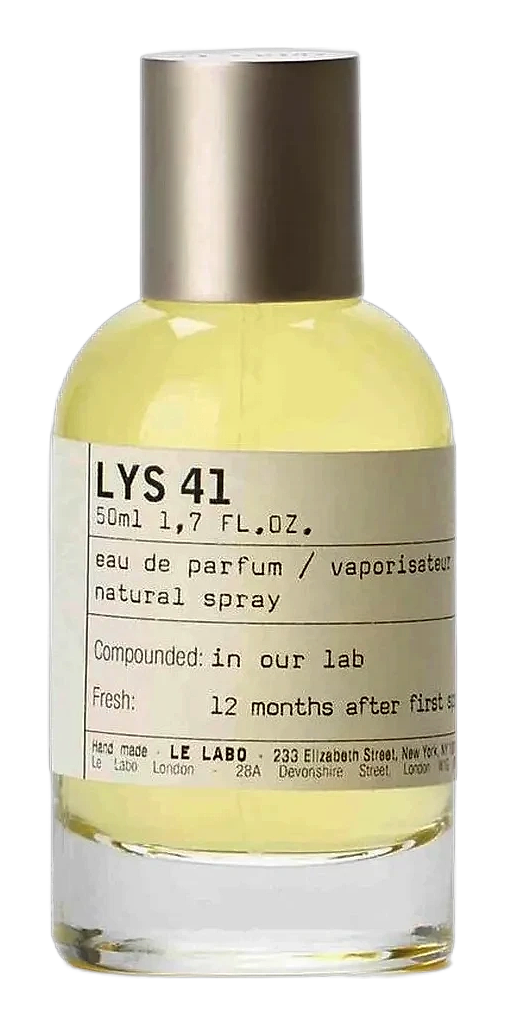
White florals occupy a specific corner of perfumery, accessible enough for daily wear, sophisticated enough to reward attention. Rodin sits comfortably in that tradition alongside Serge Lutens Fleurs d'Oranger and Le Labo Lys 41, though it skews simpler than either. What distinguishes it is the restraint applied to its construction: jasmine led without accompaniment trying to upstage it, citrus as a brief opening statement rather than a sustained presence. The editorial aesthetic, amber glass, minimal labeling, no celebrity endorsement, positioned it as a fragrance for those drawn to quieter pleasures rather than conspicuous display.
The House
RODIN Olio LussoRODIN Olio Lusso emerged from the personal vision of New York fashion industry veteran Linda Rodin, who began crafting her signature face oil in 2007 as a private labor of love before it evolved into a recognized fragrance and skincare house. Originally conceived for her own use rather than commercial ambition, Rodin built the brand around the premise that exceptional skincare could be both simple and effective. The fragrance collection, developed in collaboration with Brooklyn-based perfumers DS & Durga, launched with the eponymous Rodin in 2012, followed by Bis in 2014 and Rodin 3 in 2017. Estée Lauder Companies acquired the brand, recognizing its devoted following and distinctive position in the niche beauty market. The brand occupies a particular corner of American beauty history, emerging before the contemporary beauty oil boom transformed the skincare landscape.
The Creator
David Seth MoltzSelf-taught and deliberately unconstrained by classical training, Moltz favors an unconventional palette that includes unconventional materials alongside traditional ones. His fragrances tend toward the narrative and atmospheric, often featuring sharp contrasts: sweet against…