The Story
Why it exists.
The beginning
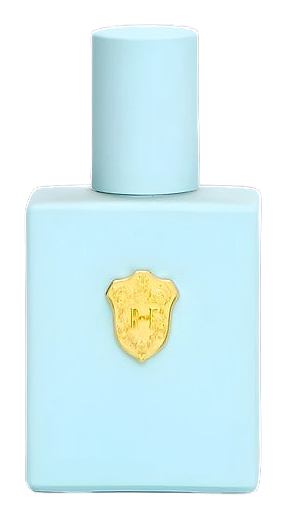
Turquoise arrived in 2014 from Ezra Woods and Alia Raza, the designer-filmmaker pair behind Régime des Fleurs. That year, the brand was still finding its language, early collections had leaned heavily into narcotic white florals that earned a devoted niche following. Turquoise was a different move entirely. Where those early scents clouded a room, Turquoise barely moved beyond arm's reach. It was quieter, stranger, and more specific. The name itself suggests something mineral and saturated, the color of shallow water over pale sand, or the particular blue-green of a specific leaf. That specificity suits the fragrance: it's not named for an emotion or a memory. It's named for a shade.
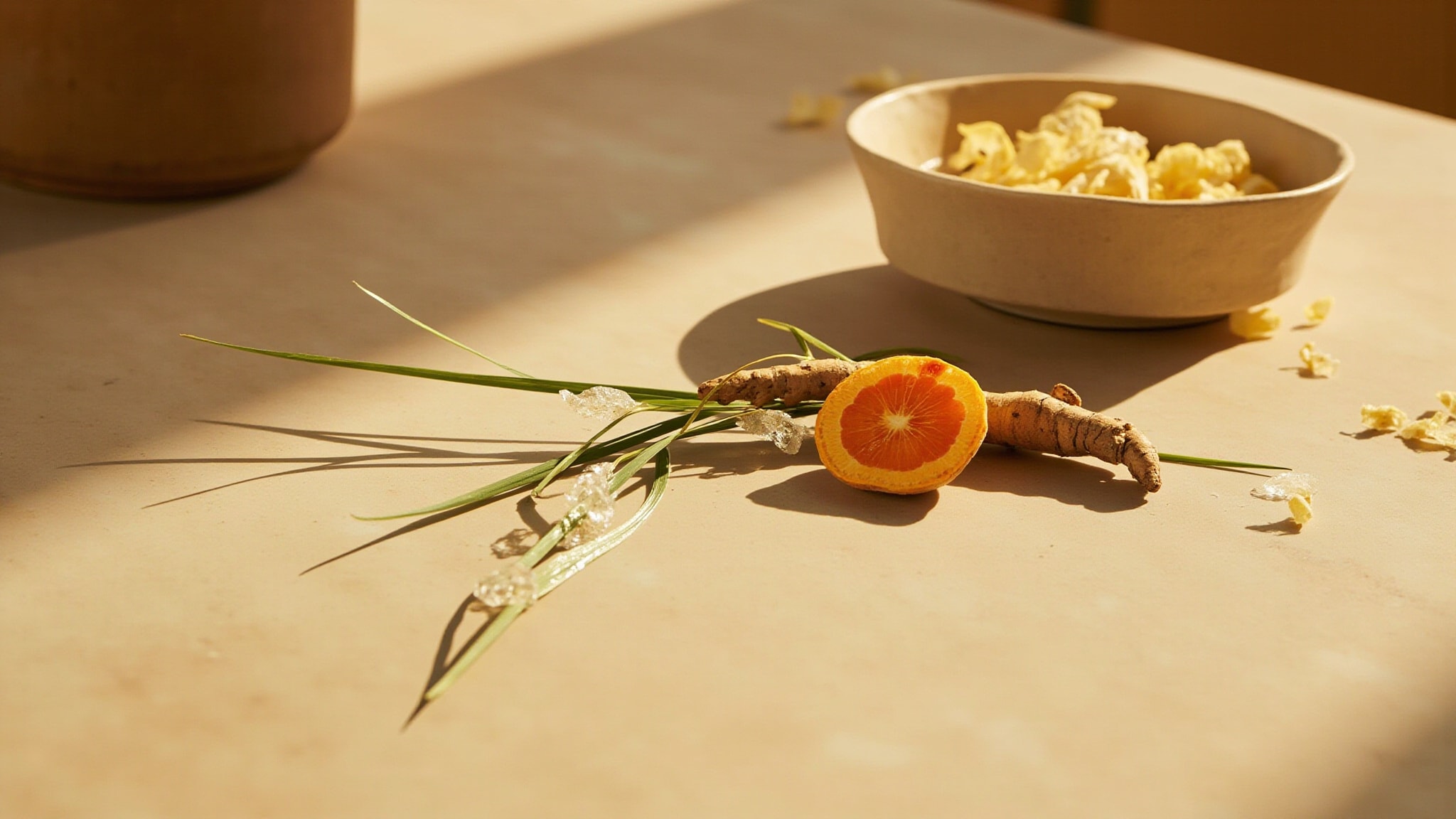
What makes Turquoise interesting is the combination of Indian wild grass and turmeric alongside Provençal beeswax absolute. These aren't ingredients that usually keep company, the grass is green and almost raw, the turmeric is warm and faintly medicinal, the beeswax is animalic and sweet. On paper, they shouldn't work. In the bottle, they create something that smells less like perfume and more like the air near a flower stall at dawn: humid, green, complicated. The champaca CO2 and benzoin water add an exotic floral weight that stops the composition from reading as purely botanical. It's a scent that sits between the natural and the created, refusing to fully commit to either.
The evolution
The opening hits fast, grass and dew, that immediate green snap. Within minutes, the turmeric emerges, golden and warm, almost like sunlight through glass. The jasmine doesn't wait for permission. It arrives heavy, indolic, real in a way that many fragrances soften or sweeten. Around the thirty-minute mark, the beeswax joins, dusty, warm, with that faintly animalic honey note that makes it feel less like a candle and more like a living thing. The fruit accord is where opinion splits. Some wearers describe it as jeweled, bright, the smell of fruit just at the edge of ripeness. Others catch something rounder, almost overripe. Both are present in the same composition. The drydown strips back the sweetness, leaving benzoin and acacia, resins that stay close to the skin for hours after application.
Cultural impact
Turquoise arrived in 2014 during a turning point for niche fragrance. Régime des Fleurs, founded by Ezra Woods and Alia Raza in New York, built a reputation for treating perfume as conceptual art rather than commercial product. The 2014 launch of Turquoise represented this ethos directly, combining jasmine, beeswax, and turmeric in ways that challenged what mainstream fragrance considered wearable. The brand's approach influenced how independent perfumers approached ingredient selection and narrative. Rather than chasing trends, Régime des Fleurs created scents with specific artistic intent, attracting a following among collectors who valued concept over conventional appeal.