
Heritage
A house, in its own words
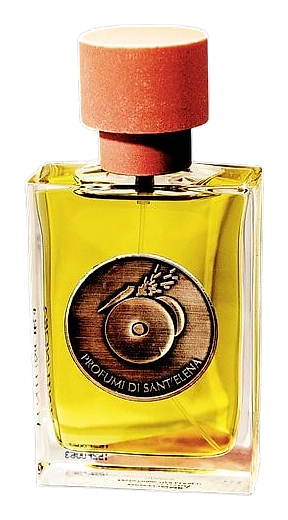
Profumi di Sant'Elena traces its story to Sant'Elena Sannita in the Molise region of southern Italy. The Sant'Elena name comes directly from this place, giving the house a strong geographic identity before its work in the capital. According to available brand and retailer accounts, the founders began their early perfume activity around Sant'Elena Sannita before opening the first small perfume shops in Rome. This move from a provincial hometown to the Italian capital marked an important step for the business and helped establish it within Italy's established fragrance culture. The house developed alongside Rome's broader tradition of cologne and eau de cologne, a category closely associated with Italian perfumery and the European art of fresh, wearable scent. The surviving catalogue reflects that lineage through fragrances such as Voira, released in 2015, and Ventunora, released in 2016. These dates place the named releases within a period of continued brand renewal, while the origins in Molise preserve a more personal, local story. The supplied research also includes extensive material on Santa Maria Novella, a separate Florentine fragrance house founded in 1221. That material is useful as cultural context for Italian perfumery, but it does not document the history of Profumi di Sant'Elena and should not be treated as part of this brand's founding story. What can be established is a clear progression from Sant'Elena Sannita to Rome, from a family or local identity rooted in Molise to a national Italian presence in fragrance retail. Profumi di Sant'Elena presents fragrance as a continuation of Italian scented culture rather than a departure from it. Its work is associated with classic colognes and eaux de cologne, forms that favour clarity, balance and everyday wear. This approach gives the house a distinct point of view: perfume becomes part of a daily ritual, expressive through its composition rather than through theatrical presentation. The brand's Italian setting is central to that philosophy. Beginning in Sant'Elena Sannita and expanding into Rome connects rural origin with the cultural life of the capital. The result is a brand identity built around contrast, combining the intimacy of a small-town beginning with the refinement of a historic European fragrance centre. The names Ventunora and Voira also suggest that individual compositions carry their own memorable personalities within this broader classical framework. The supplied material does not identify perfumers or reveal detailed sourcing standards, so it would be speculative to attribute the house's style to a particular creative figure or laboratory process. What is supported is a consistent emphasis on established Italian fragrance forms and an accessible, recognisable brand character. Profumi di Sant'Elena therefore occupies a considered middle ground between nostalgic Italian perfumery and modern fragrance discovery.