




Heritage
A house, in its own words
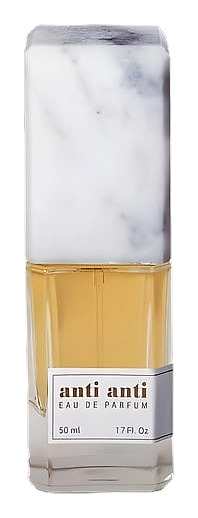
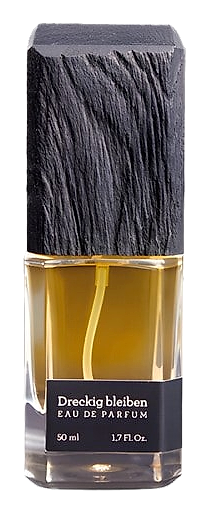
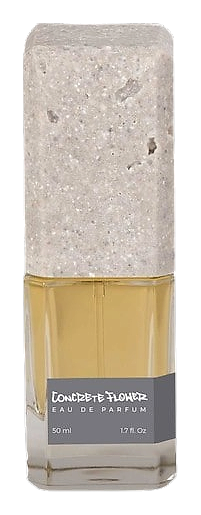
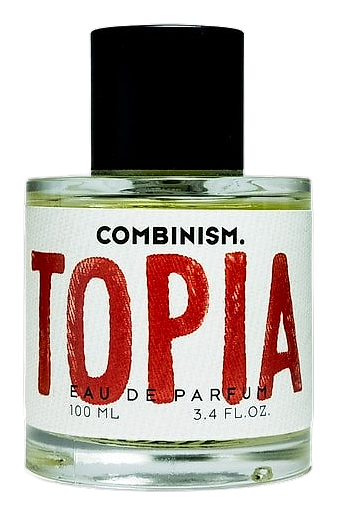
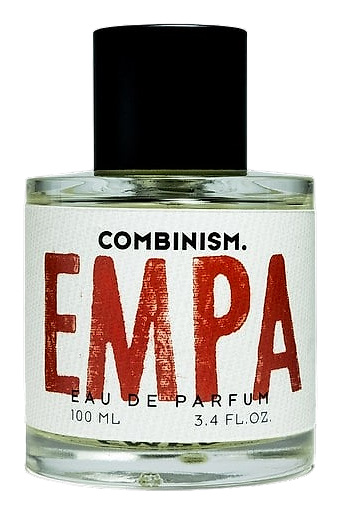
The house traces its origins to Hamburg in 2012, when Stefanie Mayr and Daniel Plettenberg established what would become Atelier PMP. Mayr arrived at fragrance creation from fashion design, having worked across creative disciplines that inform her approach to scent as wearable art. Plettenberg's background as a philosopher shapes the intellectual architecture of the brand, positioning each fragrance as a conceptual statement rather than a commercial product. The partnership between these two figures defines the house's character, combining Mayr's artistic vision with Plettenberg's strategic and theoretical input. Early releases like Dreckig Bleiben (2013) established a pattern of provocative naming and conceptual ambition. Concrete Flower followed in 2014, with Anti Anti arriving in 2016. The house expanded its perfumer relationships over subsequent years, working with David Chieze and Mark Buxton on various compositions. By 2018, the house had released Empa and Topia, demonstrating continued output alongside established pieces like the Care/Clean/Calm series and Ōn. The house has 11 distinct perfumes attributed to it. The brand operates outside traditional fragrance industry channels, maintaining an independent distribution model rooted in Hamburg's creative community. The house operates on a principle fundamentally opposed to conventional fragrance development. Rather than beginning with a brief for a marketable scent profile, Atelier PMP starts with the ideas of Stefanie Mayr as the creative catalyst. This inverted methodology means each fragrance emerges from artistic concept rather than market research or consumer testing. The house treats fragrance as a medium for philosophical and aesthetic inquiry, with names like Anti Anti and Dreckig Bleiben (German for 'stay dirty') suggesting an interest in resistance, subversion, and the rejection of conventional polish. The alphanumeric designations applied to certain releases (Clean 01.1/SN, Care 02.1/UX) imply a systematic framework underlying what appears to be intuitive creation. Plettenberg's description of himself as a philosopher informs the brand's intellectual orientation, while Mayr's roots in fashion and countercultural spaces introduce an element of anti-establishment sensibility. The house appears to value authenticity over industry approval, creating perfumes for an audience that engages with fragrance as art rather than as status marker or grooming product. This positioning distinguishes Atelier PMP from brands that prioritize marketability or trend responsiveness.