


Heritage
A house, in its own words
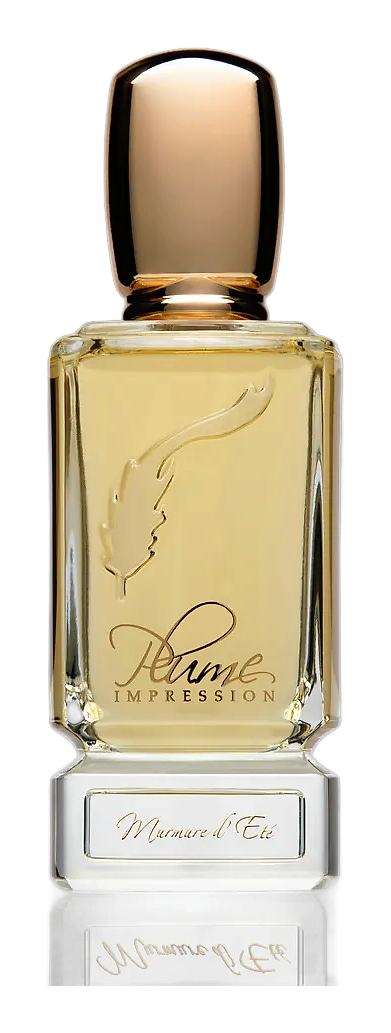
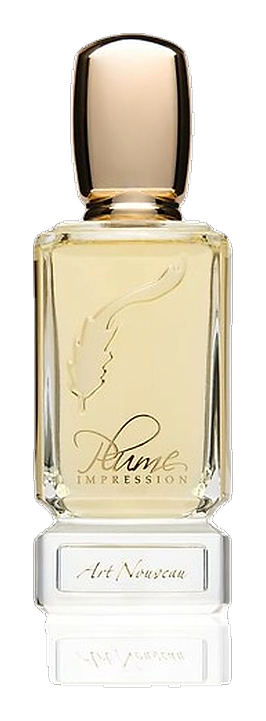
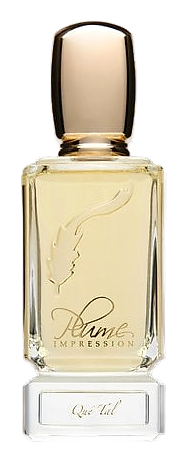
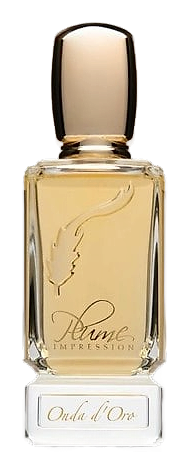
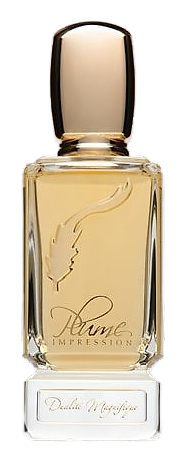
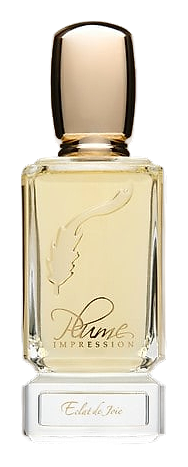
The story of Plume Impression begins in 2019 when Sabine Schaffer, who is Austrian, partnered with Gabriel Chami, who is French, to establish an artisanal fragrance house in Paris. Their collaboration brought together two different cultural perspectives on scent and beauty, which the founders have described as a creative tension that shapes their work. Sabine, whose background is rooted in Austria, reportedly approaches fragrance design with a certain precision and attention to detail associated with Central European craftsmanship, while Gabriel contributes a distinctly French sensibility regarding materials, composition, and the artistic traditions of Grasse. The name Plume (French for feather) was chosen deliberately, reflecting the founders' belief that scent should be weightless yet distinctive, present without overwhelming. During their early years, the brand focused on building a small but dedicated following among niche fragrance enthusiasts, particularly through social media platforms where independent perfume communities actively discuss and review new releases. Plume Impression gained visibility through reviewers on YouTube, including The Perfume Guy, who covered their collection in detailed fragrance reviews. The brand has since expanded its reach through retailers like Jovoy Paris, which stocks their range of artistic fragrances to a broader audience beyond the niche perfume collector community. Plume Impression operates from the conviction that fragrance should function as a form of personal expression rather than a mere pleasantry. The founders believe that each scent carries a narrative, something that connects them to specific memories, places, or emotional states. This narrative approach informs their creative process, where a fragrance begins not with a formula but with an emotional concept or sensory memory they wish to capture and translate intoolfactory form. They describe their work as occupying a space between traditional French perfumery and more unconventional artistic expression. Rather than following seasonal trends or market demands, the house develops scents based on ideas that interest them personally, trusting that their own genuine enthusiasm for a concept will resonate with like-minded wearers. The brand philosophy prioritizes originality and emotional authenticity over broad commercial appeal, which explains their positioning within the niche sector rather than the mainstream fragrance market. Their fragrances are designed to be distinctive enough to spark conversation and personal enough to become closely associated with individual identity.