



Heritage
A house, in its own words
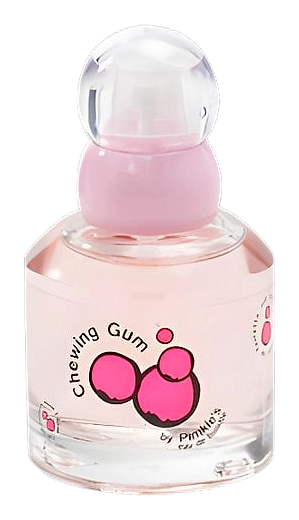
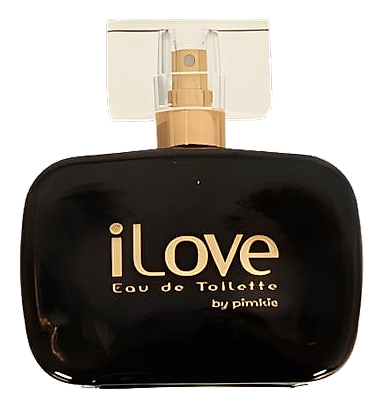
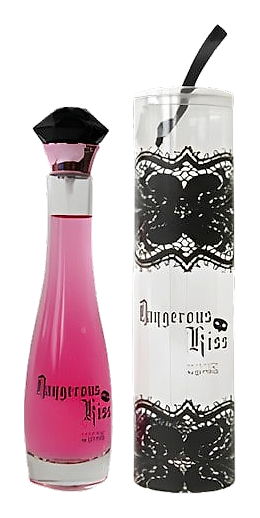
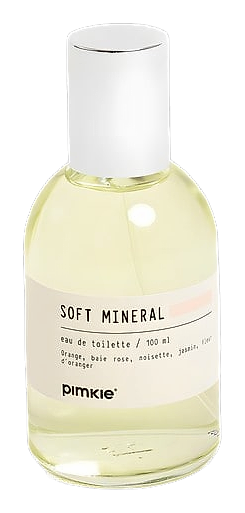
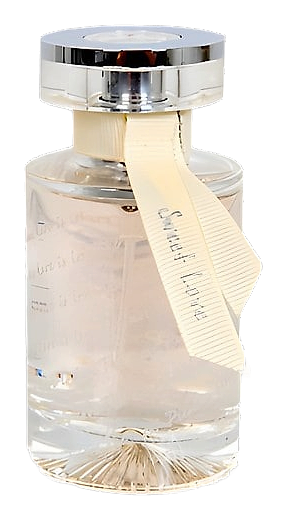
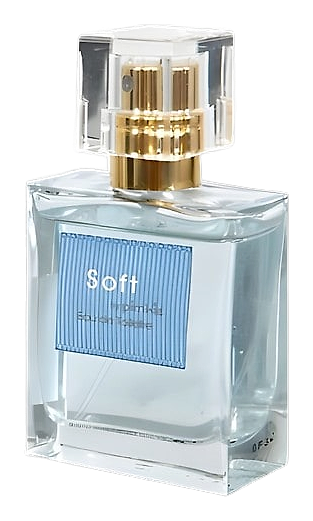
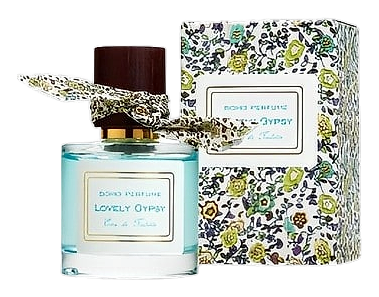
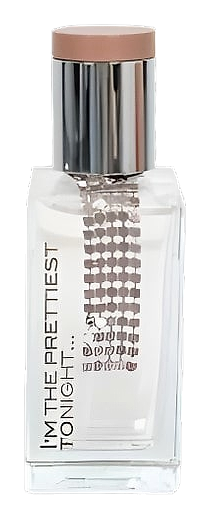
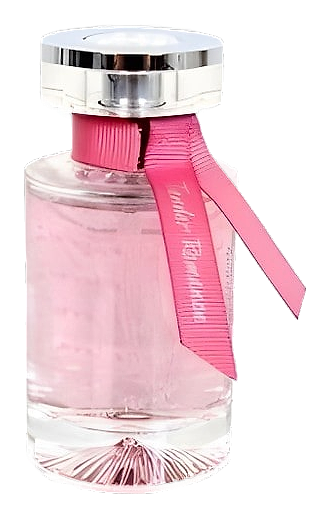
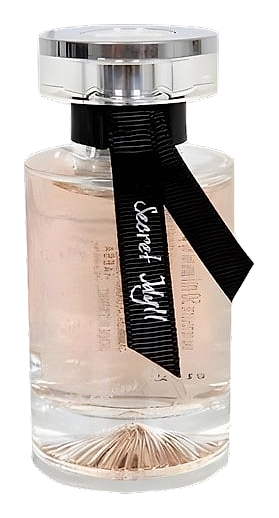
Pimkie began as a women's fashion retailer founded in the north of France. The brand originally operated under the name P'tit Albert before adopting the name Pimkie and growing into a nationwide chain specializing in fast-fashion apparel for young women. Through the 2000s and early 2010s, Pimkie expanded its footprint with stores across France and several other European countries, becoming a familiar presence in French shopping centers and high streets. The company's move into fragrance followed the broader fashion-retail playbook of extending brand reach into beauty categories. Pimkie's first notable fragrance launches appeared in the mid-to-late 2000s, with Chewing Gum (2008) and Dangerous Kiss (2008) establishing a youthful, flirty identity. These were followed by a burst of releases around 2010 to 2011, including Sweet Love, Soft, Precious Gold, Boho Parfum Lovely Gypsy, and I'm The Prettiest Tonight. The portfolio remained oriented around accessible price points and fashion-friendly scent profiles rather than fine perfumery. By the early 2020s, Pimkie faced significant financial pressure as European fast-fashion competition intensified and mall traffic declined. The company entered redressement judiciaire, the French equivalent of bankruptcy protection, in 2023. Subsequent restructuring efforts led to store closures and a reduction of the brand's physical presence. The fragrance catalog now exists largely as a back catalog rather than an active product line, preserved through discount retailers and secondary sellers rather than the brand's own channels. Pimkie's fragrance approach mirrored the company's core retail mission: delivering trend-driven, accessible products to a young, predominantly female audience. The scent names tell the story directly. Chewing Gum, Sexy Pink, Dangerous Kiss, and I'm The Prettiest Tonight are positioned less as olfactory compositions and more as lifestyle statements, designed to be picked up impulsively alongside a new outfit. The brand's creative direction leaned into the language of teenage and twentysomething femininity. Sweet, gourmand, and softly oriental accords dominated the lineup: vanilla, pink sugar, candy-like fruit notes, and powdery bases. The aim was not subtlety or complexity but instant likability, the kind of scent that could anchor a first date, a night out, or a back-to-school wardrobe refresh. The packaging followed the same logic, leaning into pinks, metallics, and bold typography rather than the restraint of traditional perfumery. This philosophy placed Pimkie firmly in the mass-market fragrance category, competing for shelf space alongside other fashion-retail brands rather than niche or artisanal houses. The company's fragrance output reflected an understanding of its customer, someone who wanted a fun, affordable signature scent more than a collector's piece.