








Heritage
A house, in its own words
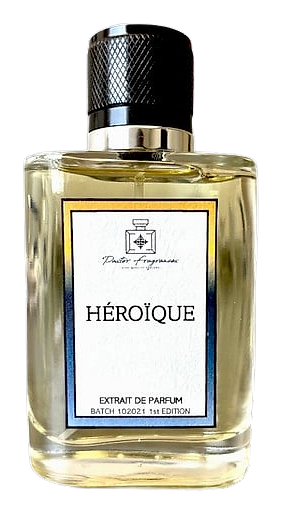
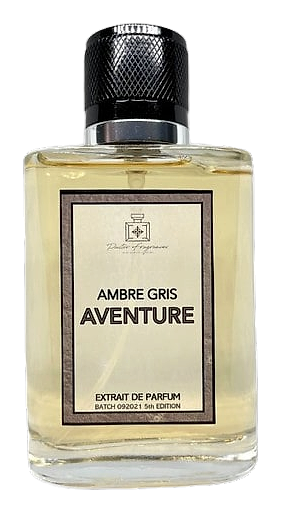
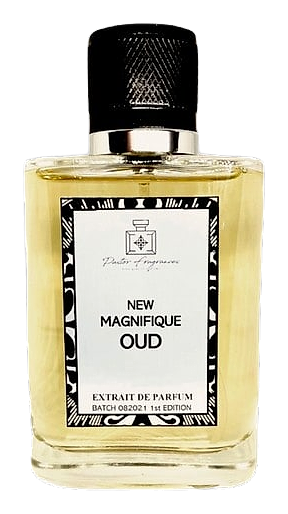
The story of Pastor Fragrances begins on the Gold Coast, the colonial designation for present-day Ghana, West Africa. According to social media content published by the brand, the house frames its origin narrative within the context of African perfumery power and heritage, suggesting a deliberate effort to establish a distinct identity rooted in the continent's aromatic traditions. The brand's Instagram presence references sacred elements in connection with its founding philosophy, though independent verification of these claims remains limited. Pastor Fragrances emerged during a period of growing interest in African-owned luxury brands, a trend observed in the broader beauty and fragrance industries during the late 2010s and early 2020s. The house released its first documented scents beginning in 2020, with multiple fragrance launches following in subsequent years. Unlike heritage houses with centuries of documented history, Pastor Fragrances builds its narrative around contemporary African identity and the aspiration to place Ghanaian origins on the global fragrance map. The brand's choice of French-named releases like Champs Élysées and Côte Bleue indicates an awareness of perfumery's historical European associations, possibly reflecting a strategy to bridge African roots with internationally recognized aesthetic codes. Pastor Fragrances appears to position itself as more than a commercial fragrance brand, describing itself on social platforms as the birth of African perfumery power. This language suggests a philosophy that extends beyond product creation into cultural representation and identity. The house seems to embrace a dual identity, drawing from West African heritage while engaging with global perfumery conventions. Fragrance names within the catalog reveal a creative philosophy that does not take itself entirely seriously, with titles like Oh My Oudness and Kiss Me I'm Irish indicating playful self-awareness. The breadth of the collection, spanning oud-heavy compositions, orientals, and fresher formulations, suggests a philosophy of exploration and versatility rather than adherence to a single house style. The brand's founding narrative in Ghana, if accurately represented in its communications, implies a commitment to sourcing and storytelling rooted in African origins, though specific details about ingredient sourcing or production locations remain undocumented in available sources.