







Heritage
A house, in its own words
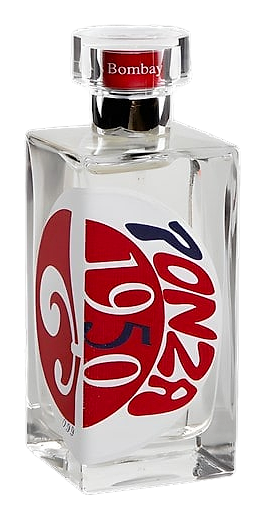
The name Parfums Bombay 1950 presents the house with the visual language of a bygone era, while the available documentary trail begins with its fragrance launch in 2014. Third-party perfume databases list the original Parfums Bombay 1950 collection as a group of fifteen releases introduced that year, and individual scents from the range continue to appear in independent catalogs. This makes 2014 the clearest verifiable milestone for the collection: Panarea and Ponza are recorded as members of the launch-era lineup, alongside compositions identified by place and number, such as Coffee Shop 627 Amsterdam, Bergamotto E Ambra 870 Lampedusa and Vaniglia & Confetto 629 Sorrento. The broader name connects the label to Bombay as an evocative reference rather than a documented operating history in the city. Research supplied for this profile confirms the 1950 motif in the brand name, but it does not establish a verifiable founding story, founder biography or continuous operation dating from that year. Accordingly, the house is best presented as a fragrance label founded around a deliberately retrospective identity, with its documented catalog taking shape in 2014. The enduring appeal of its first collection comes from a consistent method of naming: a destination, a featured note and a numerical code come together to make each fragrance feel like an entry in a personal atlas. Parfums Bombay 1950 approaches fragrance through the idea of place made wearable. Rather than building a single, uniform olfactory signature, the house assigns each composition its own geographic cue. Panarea and Ponza, both associated with the collection's 2014 launch, share an island reference, while Dubai, Sorrento, Lampedusa and Amsterdam appear in the names of other scents. Ingredients then sharpen the sense of location. Coffee Shop 627 Amsterdam suggests the atmosphere of a coffee house, Cacao Del Venezuela Chuao points toward cacao and its regional origin, and Agrumi & Cedro Panarea joins citrus with cedar. Vanilla and confectionery create the pleasures of an Italian dolce in Vaniglia & Confetto, while amber and tangerine bring contrast to Ambra 304 Tangeri. This naming philosophy makes the collection easy to navigate through images and moods rather than conventional fragrance families. It also explains the frequent use of numbers. They function as catalog references within the title, giving each scent an archival quality and helping separate compositions that may share a material. The approach is evocative without requiring a literal landscape painting in every bottle. A reference to Lampedusa may be read through citrus and amber, while Panama can suggest heat, cacao or Ambroxan. In this way, the house turns travel, food and landscape into concise olfactory prompts, inviting wearers to recognize a scent through atmosphere rather than a single dominant note.