Heritage
A house, in its own words
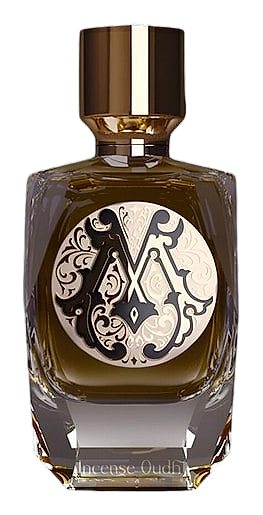
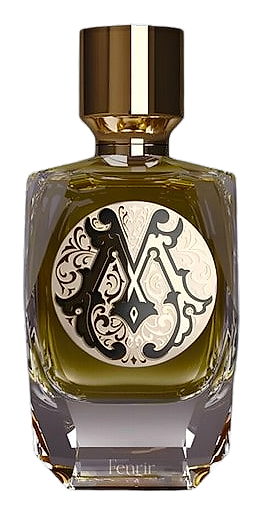
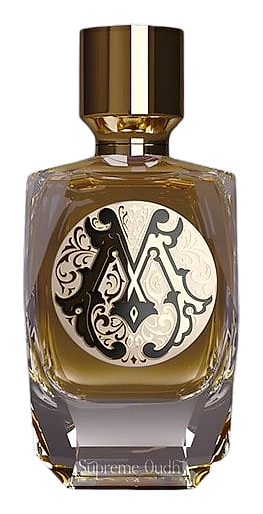
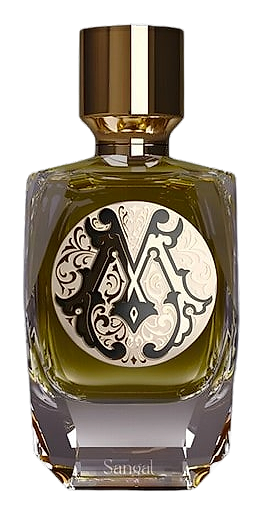
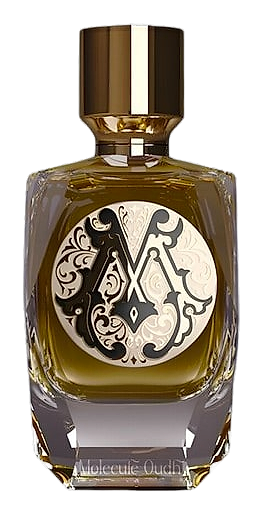
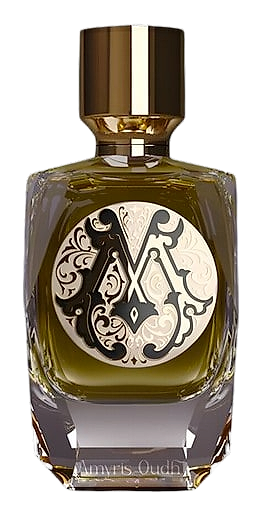
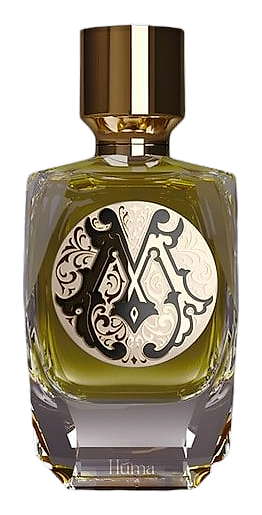
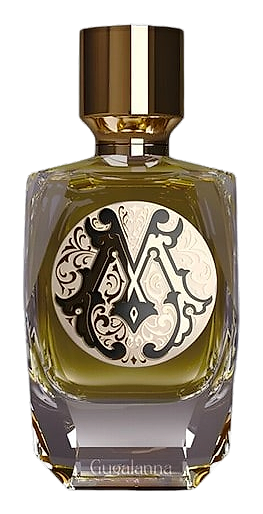
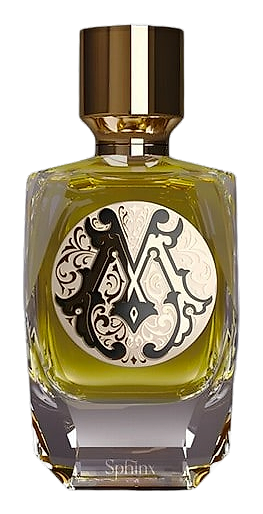
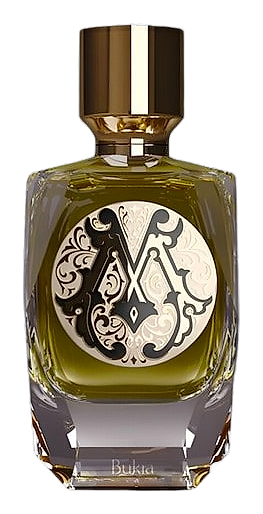
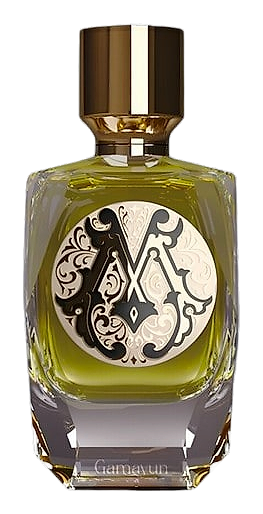
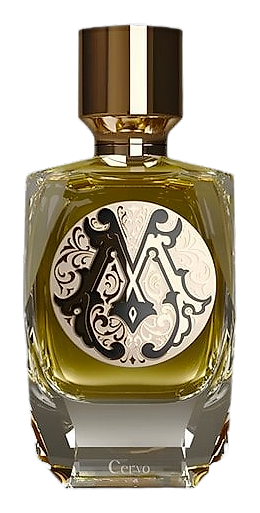
Parfum de Mahzen appears to have entered the fragrance market recently. A fragrance database lists its earliest edition as 2024 and its newest release as 2025, placing the beginning of the catalogue within the current period rather than a distant historical lineage. The brand’s own materials describe it as a Turkish niche perfume house and refer to an experience of more than 70 years in perfumery, but the available research does not identify the family members, founders, locations, or individual milestones behind that claim. Because these details remain uncorroborated, it is safer not to turn the statement into a precise founding narrative. The collection names provide a clearer picture of the house’s developing identity. Ancient Spirits evokes traditional resin and incense impressions, while Arcana, Modern Oudh, and Mandarino suggest more experimental or contemporary readings. Names such as Amalfi and Capri introduce Mediterranean associations, and Hûma recalls the scented body oils and aromatic traditions associated with the Middle East and North Africa. This combination gives the young catalogue a broad cultural frame, connecting Turkish perfume-making with classical, Mediterranean, and historic aromatic references. Public coverage is still consolidating around the house, so the verifiable milestone is the launch of its first editions in 2024, followed by an expanded catalogue in 2025. The visible philosophy of Parfum de Mahzen centres on fragrance as an encounter with place, memory, and atmosphere. Rather than framing every perfume through one house signature, the brand has organised its work into collections that explore different moods and materials. The Ancient Spirits collection draws on the visual language of historical aromatic traditions, while Modern Oudh treats oud as a contemporary subject. Other named groupings extend this contrast through fantasy, citrus, and regional references. Product descriptions use sensory terms to create narrative openings, as seen in Molecule Oudh, where blackcurrant and saffron lead into rose, patchouli, ambergris, and frankincense. This approach suggests that the house values contrast within a composition, placing fruit or spice beside woods, resins, flowers, and animalic accents. The result is a catalogue built around atmosphere rather than minimalism. Public information does not name a creative director or perfumer, nor does it provide a detailed account of how the collections were developed. What can be observed is the deliberate breadth of the line. Oud appears in several distinct forms, incense receives its own collection, and citrus-led names sit alongside dark resinous scents. This variety points to a creative vision in which oud functions as a flexible foundation for different interpretations, from dense and smoky to bright, aromatic, or textured.