The Story
Why it exists.
The beginning
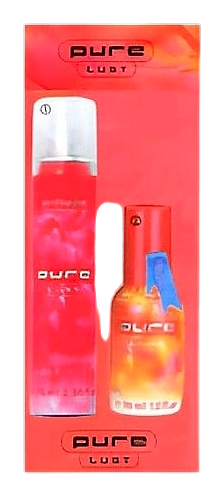
Pure Lust arrived in 2001 as Oriflame's answer to the growing demand for light, everyday florals that could sit comfortably on a busy woman. Emerging from the brand's Stockholm-rooted R&D lab, the perfume was crafted to embody the company's blend of Swedish design simplicity and community-driven accessibility. Rather than chase complexity, Oriflame focused on delivering a fragrance that anyone could wear without forethought, making the floral heart the entire composition rather than one layer among many.
The note philosophy here is subtraction over addition. By eliminating opening and drydown complexity, Oriflame created a fragrance that functions as pure floral ambience rather than narrative experience. The floral notes are not supported by any foundation, which means they must stand alone honestly. This approach suits the brand's mass-market positioning, offering an accessible floral that pairs effortlessly with a morning routine or office setting without demanding attention or occasion.
The evolution
The scent moves directly from its floral heart into a sustained bloom that spans the entire wear. There is no citrus or green opening to set the stage, no amber or musk base to anchor the drydown. Instead, rose and jasmine carry the fragrance from first spray through its quiet fade. The arc is linear and meditative, offering consistency rather than drama. As the hours pass, the floralcy softens but never transforms, culminating in a gentle dissipation that leaves behind nothing but a memory of petals.
Cultural impact
Since its 2001 debut, Pure Lust has become a nostalgic touchstone for fans of early‑2000s Scandinavian fragrance culture. Its uncomplicated floral charm resonated with everyday consumers seeking an affordable scent that felt polished yet playful. Though discontinued, the perfume still pops up in online forums where former wearers reminisce about its sunny vibe, cementing its place as a modest cult favorite among Oriflame’s lineup.