The Story
Why it exists.
The beginning
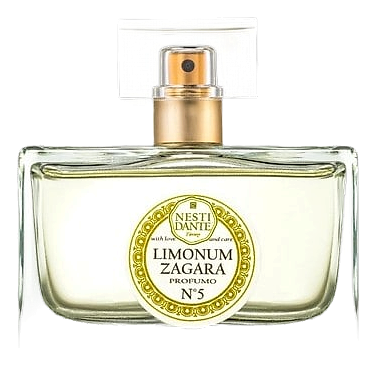
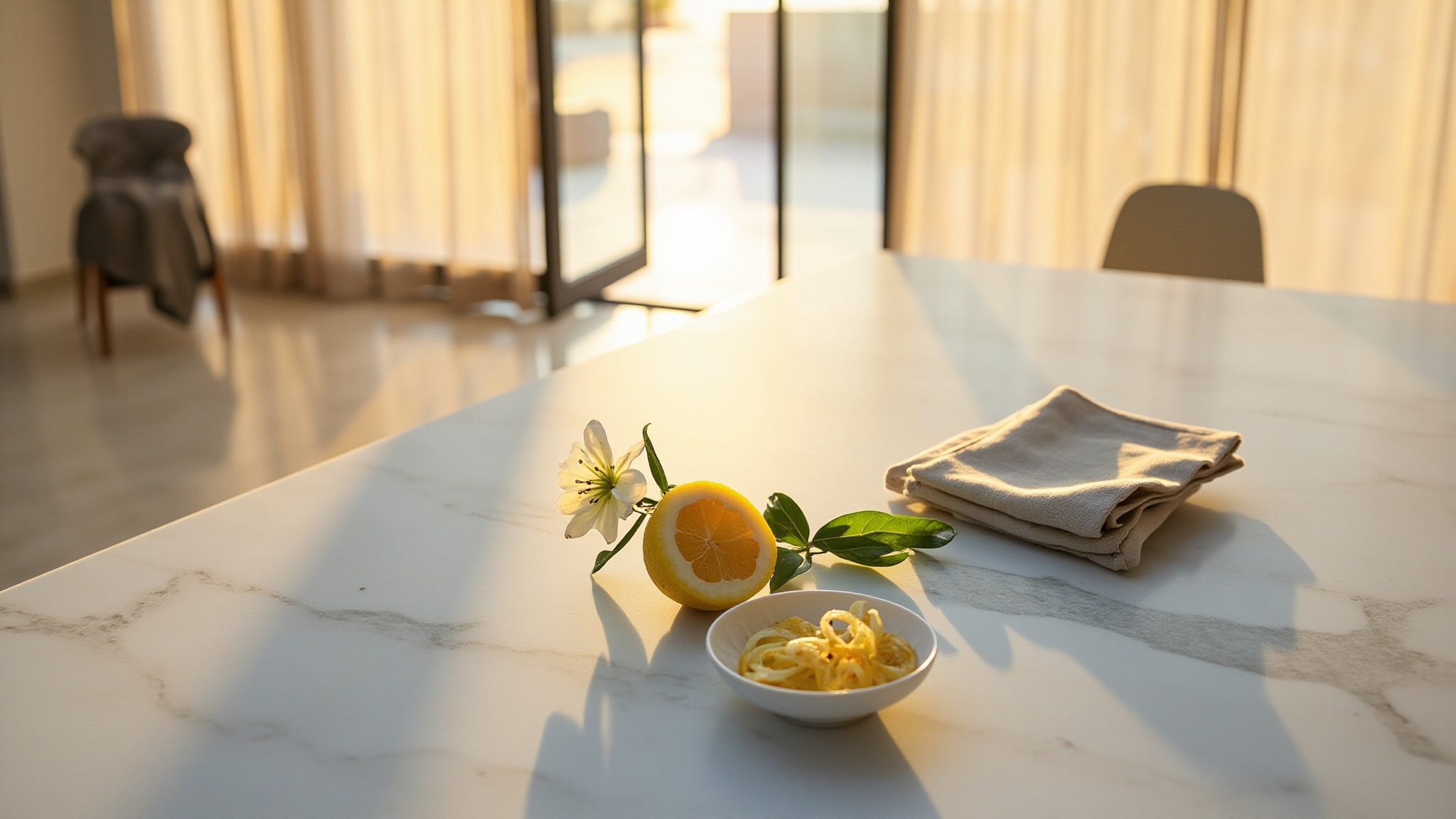
N°5 Limonum Zagara arrived in 2019 as part of Nesti Dante's Firenze fragrance line, a series that translates the scent vocabulary of Italy into wearable compositions. The name tells you almost everything. Limonum points to lemon. Zagara refers to orange blossom, the small white flowers that perfume gardens in spring before the fruit forms. Together, they name a place and a season without needing geography: the hour when citrus groves are in flower, when the air carries both the bright oil of ripe fruit and the soft sweetness of the blossom that precedes it. The composition is a study in that coexistence, built around two ingredients that share a botanical family but smell like different worlds.
What makes this composition interesting is its restraint. Citruses and orange blossom could easily tip into something syrupy or synthetic in less careful work, the kind of lemon-cake sweetness that flattens on skin. The tension here is that zagara, the orange blossom note, carries a natural bitterness underneath its honeyed surface. It keeps the citrus honest. The opening reads as sharp, almost candied lemon, but the blossom underneath pulls it toward something floral and slightly indolic, the way real orange flowers smell in a garden rather than how they're often rendered in commercial perfumery. This isn't a complicated architecture. It's two ingredients that argue productively, and the argument is the point.
The evolution
The first ten minutes are all citrus, sharp and almost effervescent, like the mist when you peel a lemon with your fingers. It reads candied at first, almost like a lemon-drop sweetness rather than actual fruit. By the twenty-minute mark, the orange blossom begins to surface, and the composition pivots. The sharpness softens into something warmer, slightly soapy in the cleanest way, with a floral quality that recalls neroli without ever fully becoming neroli. There's a creaminess underneath, the kind that makes the whole thing smell closer to skin than to a glass of lemonade. Around the two-hour mark, the citrus has mostly retreated into a supporting role, and the orange blossom carries the composition on its own. It wears close from here, moderate sillage, never projecting aggressively, but present enough that you catch it on your wrist when you move. The drydown, around the five-hour mark, is quiet and warm: a soft white-floral skin scent with just enough residual citrus brightness to keep it from turning heavy.
Cultural impact
N°5 Limonum Zagara draws comparisons to other easy citrus compositions in the Italian tradition, the kind of scents that prioritize drinkability over drama. Wearers frequently note that it leans slightly sweet and almost gourmand rather than purely fresh or sharp, placing it closer to a lemon-cream profile than to a bracing cologne or an austere eau fraîche. The sweetness isn't sugary or confected; it's the natural roundness that comes from orange blossom doing its work in the heart of the composition, lending a soft, almost lactonic warmth to what could otherwise be a one-dimensional citrus.