
The Story
Why it exists.
The beginning
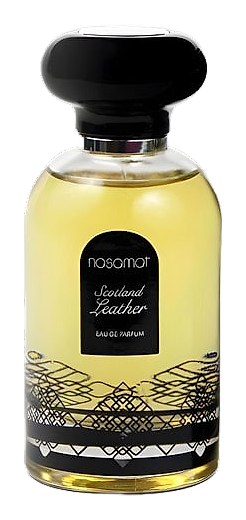
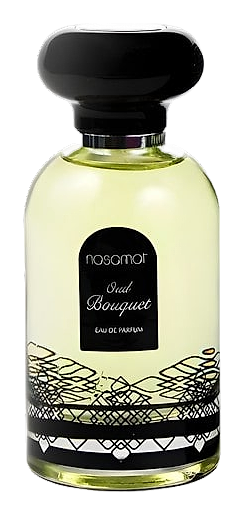
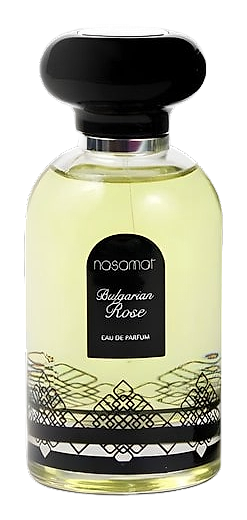
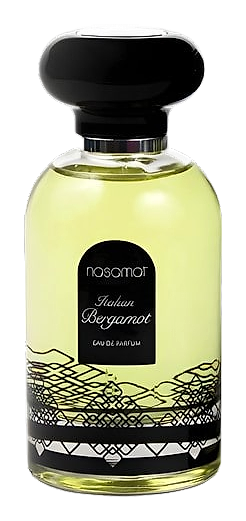
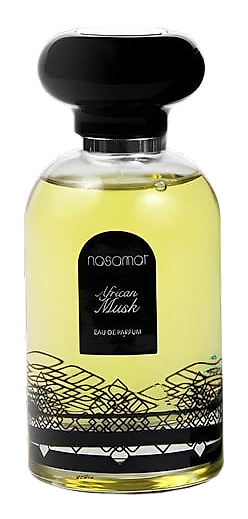
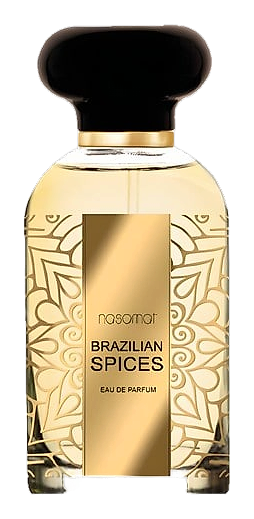
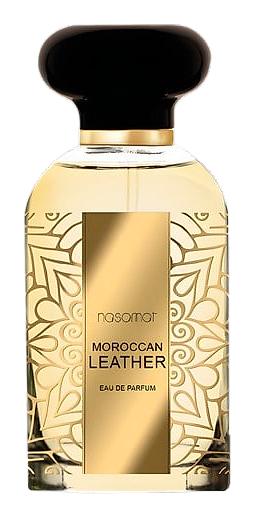
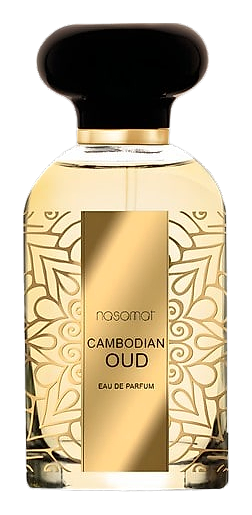
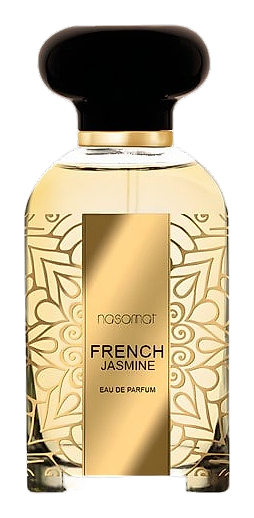
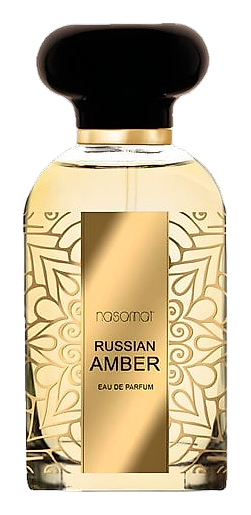
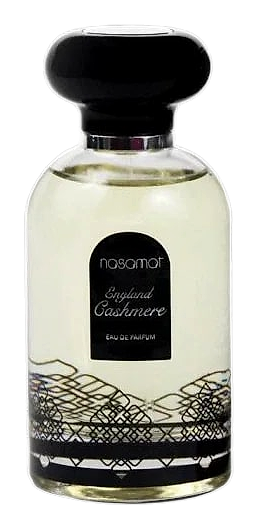
England Cashmere arrived in 2014 as part of Nasamat's geographic collection, fragrances named for the places and materials that define them. The name is deliberate: England as an idea, cashmere as its texture. Not the London Fog tourist version. Something more interior. The 2014 launch placed it alongside Bulgarian Rose and Scotland Leather, each one a study in a specific place rendered through scent. England Cashmere took the country's quieter associations, understatement, cold air, the warmth you find indoors when it's grey outside, and built a fragrance around them.
Frankincense and oud together are a classic pairing, resinous smoke meets dark, complex wood. The surprise is what happens next. Amber and musk arrive like a room that finally warms up after you've been standing in the cold. The powdery accord keeps everything civilized, stopping the composition from tipping fully into incense territory. It's the cashmere in the name that wins: soft, worn against skin, the warmth you'd want after a long winter walk.
The evolution
England Cashmere opens with a sharp frankincense declaration, resin, smoke, a slight medicinal bite. The kind of opening that announces itself and doesn't apologize. Within twenty minutes, the oud enters. Darker, woodier, with a faint animalic edge that adds depth without becoming aggressive. This is the heart of the fragrance, and it lasts. Three to four hours of warm, spiced wood, the amber and musk foundation building underneath like a slow exhale. By hour five, it's intimate. Close to the skin. A skin-warm whisper of amber and powder that stays until you wash it off.
Cultural impact
England Cashmere arrived in 2014 as part of Nasamat's geographic fragrance series, reflecting a broader trend in niche perfumery toward place-based storytelling. Rather than invoking exotic locations through marketing, this collection grounded itself in specific materials: frankincense, oud, Bulgarian rose, each representing a distinct geographic and olfactory territory. The 2014 launch aligned with a growing consumer interest in ingredient transparency, where fragrance buyers wanted to understand what they were wearing rather than simply responding to an abstract concept.