Heritage
A house, in its own words
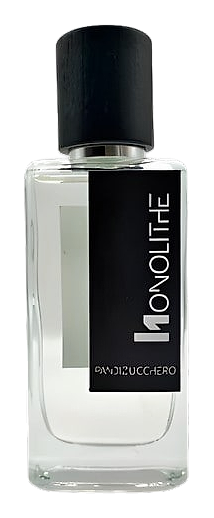
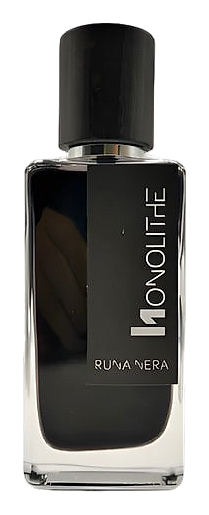
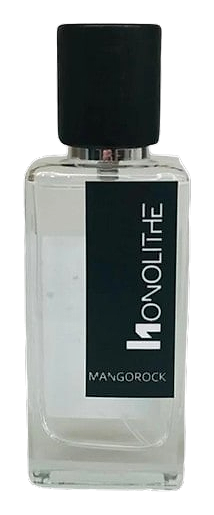
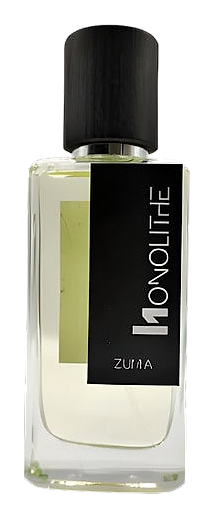
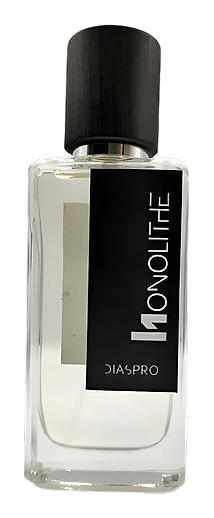
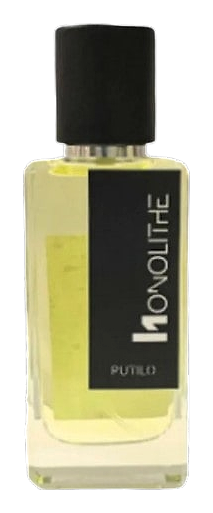
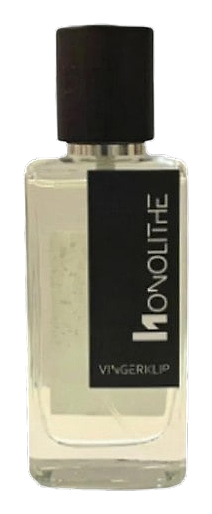
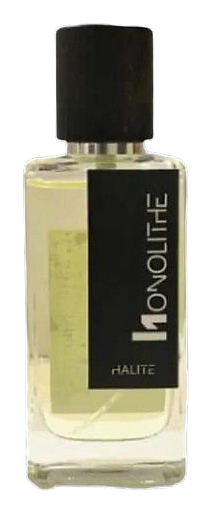
The available research provides very limited information about Monolithe’s origins, founders, and early development. The brand’s own search-result description frames Monolithe as an enigmatic force connected with human evolution and the pursuit of knowledge, but this is presented as a creative concept rather than a documented historical account. The supplied collection data identifies eight notable fragrances as belonging to 2024, including Diaspro, Pandizucchero, Runanera, Rutilo, Mangorock, Vingerklip, Zuma, and Halite. No reliable source in the research set confirms the year Monolithe was founded, the location of its headquarters, the identity of its founders, or any earlier milestones. Because of this, Monolithe’s history remains largely undisclosed in the material available here, while its current catalogue provides the clearest evidence of its artistic direction. Monolithe’s creative vision appears to begin with the idea of fragrance as a study of substances and their impressions. The name suggests a single, solid form, and the collection extends that notion through names associated with stones, minerals, plants, places, and physical textures. The house’s stated concept connects perfume with forces that shape human development and knowledge, giving the brand an intellectually oriented identity without requiring fragrance to imitate a literal story. This approach places the emphasis on atmosphere and interpretation. A composition can suggest minerality, sweetness, earth, resin, or landscape while leaving room for the wearer’s own response. The 2024 names, ranging from Diaspro and Rutilo to Zuma and Halite, reinforce a vocabulary built around observation and contrast. The philosophy is therefore less about a single recognizable family and more about giving each scent an individual material presence.