The Story
Why it exists.
The beginning
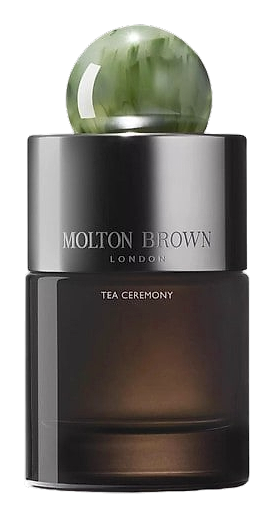
Mathieu Nardin built Tea Ceremony around a Japanese ritual that hasn't fundamentally changed in centuries. The tea ceremony is deliberate. Quiet. A counterweight to everything that moves too fast. The fragrance mirrors that architecture: nashi pear opens bright and translucent, like light through porcelain, before green tea and matcha take over the heart, herbal, intense, slightly medicinal. Then hinoki settles everything into warmth. The idea: stillness that actually wakes you up, not puts you to sleep.
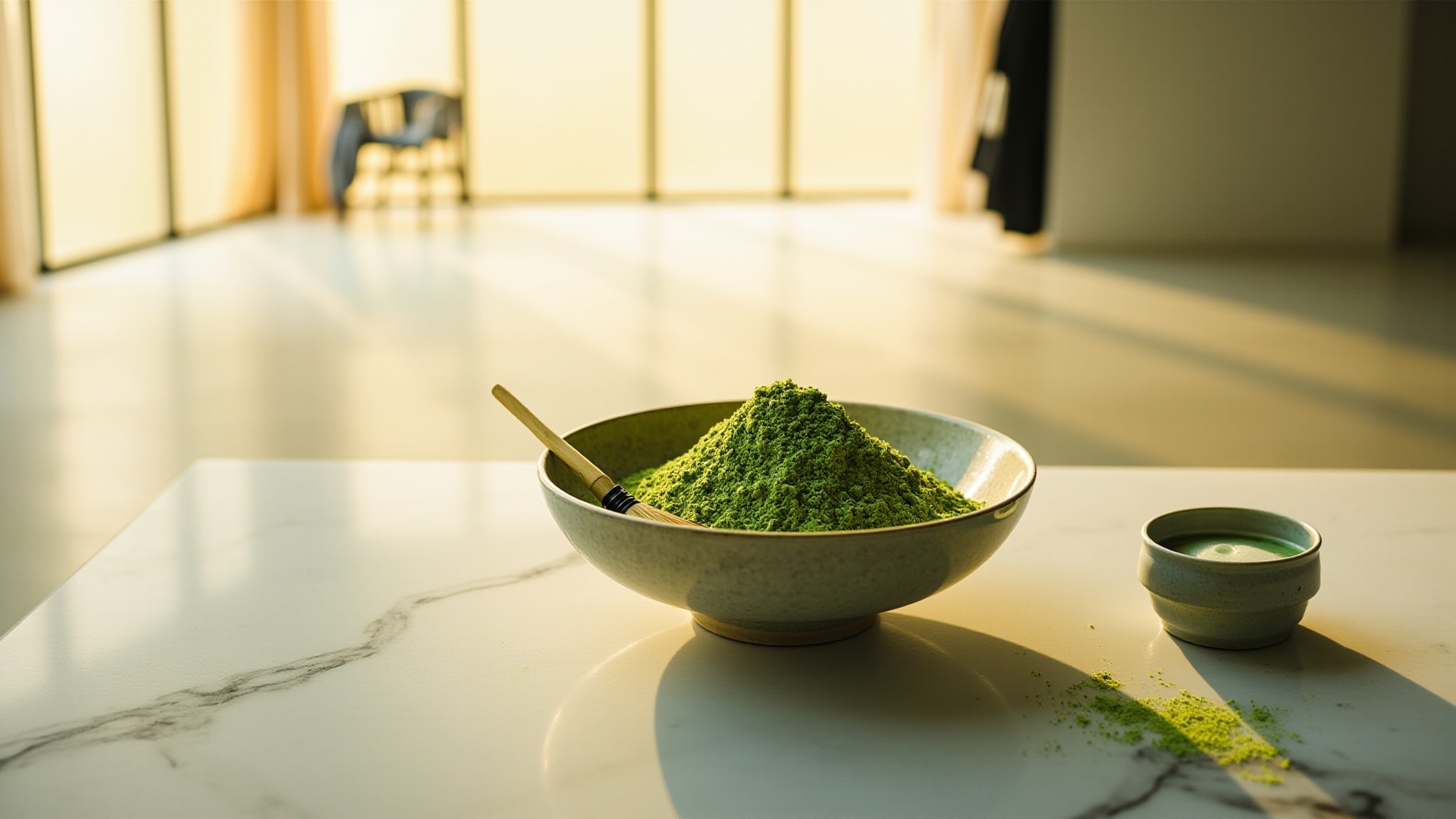
What makes this composition interesting is the tension between the mineral coolness of the opening and the warmth of hinoki in the base. Nashi pear adds a subtle sweetness that could have gone fruity and generic, but here it reads more like the smell of morning light through glass, present, then gone before you notice. The matcha accord carries the heart, and it's where the fragrance earns its name. Not perfumery matcha (which tends to be cream and sweetness), but the actual green, slightly bitter smell of the powder. Combined with the earthy notes, it gives the mid-section an almost savory quality.
The evolution
Tea Ceremony opens cool and restrained, mineral water over wet stone. Fresh, clean, nothing announced. Around 10-15 minutes in, the green tea deepens. Matcha arrives at its most intense, herbal and slightly bitter, pushing the composition toward something that feels meditative rather than pleasant. The sweetness of nashi pear is long gone. Then the drydown: hinoki's warmth emerges, woody and intimate, the kind of warmth that stays close to skin for hours. A loyal following has emerged among those who appreciate its restraint, respected by enthusiasts seeking something more subtle than typical green fragrances. This is a fragrance for someone who wants to be remembered by the people standing next to them, not across it.
Cultural impact
Tea Ceremony landed in 2026 as Molton Brown's push into the green tea category, part of a broader movement toward ritual-focused fragrance. The green tea segment had been expanding across the market, with multiple brands introducing tea-forward scents that appealed to consumers seeking subtle, contemplative fragrances. Mathieu Nardin's mineral-forward approach and the fragrance's clean green tea profile resonated with a growing audience interested in wellness and mindfulness, making the scent a reliable reference point in green tea fragrance discussions.