





Heritage
A house, in its own words
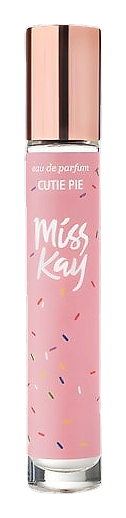
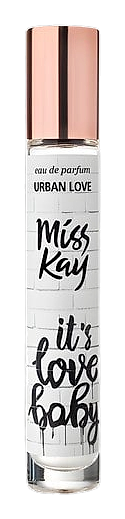
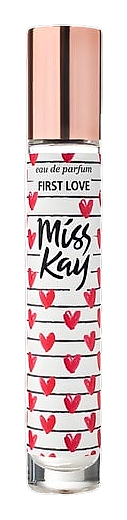
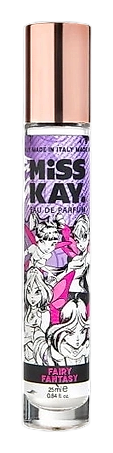
The story of Miss Kay begins with Amy Kafri, a beauty entrepreneur who launched the Alma K skincare line more than a decade ago. In 2018 she extended her portfolio into fragrance, creating Miss Kay as a sister brand under the Alma K group. The brand’s name reflects Kafri’s own nickname, a playful nod to the idea that a scent can be as personal as a moniker. From its Milan‑based studio, Miss Kay set up a small production facility in the Veneto region, a historic hub for Italian perfume manufacturing. Early batches were hand‑blended by a team of fragrance consultants who adapted classic accords to the brand’s “vibe” concept. By 2019 the first nine scents – including Forest Mist, Sunset Bliss, and Urban Love – were released across Europe. In 2020 the line expanded to include Aloha Beaches, a tropical composition that quickly found a niche in South African retail through Clicks stores. The following year, Miss Kay introduced a limited‑edition “Pool Party” fragrance, marking the brand’s first seasonal release. Throughout its growth, the company has kept production in Italy, citing the country’s regulatory standards and artisanal heritage as core to its identity. In 2022 Miss Kay celebrated its fourth anniversary with a refreshed visual identity and a partnership with a local glass workshop to redesign its bottles, reinforcing the brand’s commitment to Italian craftsmanship. As of 2024 the portfolio has grown to more than a dozen fragrances, each marketed as a mood‑specific option rather than a single signature scent, a positioning that distinguishes it from many legacy perfume houses. Miss Kay frames fragrance as a daily choice rather than a fixed identity. The brand’s creative brief asks perfumers to imagine a scenario – a sunrise walk, a city night, a quiet afternoon – and then translate that feeling into a scent profile. This mood‑first approach encourages consumers to view perfume as an accessory that can shift with their schedule, mood, or environment. Transparency is another pillar; the company lists the primary accords on each bottle and provides brief scent stories on its website, inviting wearers to understand the inspiration behind each note. Sustainability is addressed through selective sourcing: natural extracts are obtained from certified farms in France, Spain, and Greece, while synthetic aromachemicals are used where they reduce environmental impact or improve stability. Miss Kay also limits batch sizes to maintain consistency and reduce waste, a practice that aligns with its broader value of mindful consumption. The brand’s messaging avoids grandiose claims, instead focusing on the practical pleasure of matching a fragrance to a moment, reinforcing the idea that scent can be both expressive and adaptable.