The Story
Why it exists.
The beginning
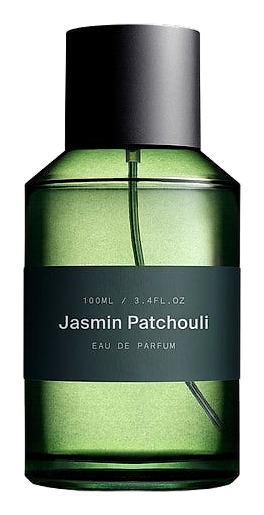
Jasmin Patchouli arrived in 2021, composed by Sidonie Lancesseur for Marie Jeanne. The brief was simple: take two of perfumery's most polarizing materials and make them coexist without compromise. Jasmine carries centuries of emotional weight, it's the note of seduction, of night gardens, of something almost too alive. Patchouli carries its own baggage: earthy, barnyard, beloved by some, wrinkled at by others. The challenge was structural. How do you honor both without blending them into irrelevance? The answer lay in the green notes that open the composition, fig leaf, specifically, giving the jasmine somewhere to breathe before the patchouli arrives to ground everything that came before.
What makes this pyramid unusual is the absence of the usual buffers. No vanilla to sweeten the jasmine. No aldehydes to modernize the patchouli. Instead, the structure relies on timing: the fig leaf creates a cool, green opening that keeps the jasmine from overwhelming immediately, and the ambrette seed in the base provides a clean musk finish that prevents the patchouli from settling into something too animal. The result is a composition that moves linearly rather than cyclically, each phase replacing the last rather than blending into it.
The evolution
The opening hits green and immediate, fig leaf, the kind of crushed stem smell that reads as fresh without being citrusy. This lasts roughly 20 minutes before the jasmine takes over completely. Not a gradual transition. One moment it's the green notes leading; the next, jasmine owns the composition. Egyptian jasmine at this concentration doesn't apologize for itself. It smells warm, almost indolic, the way jasmine smells at night when the flowers are actually open. The patchouli arrives around the 45-minute mark, but it doesn't fight the jasmine, it arrives underneath, darkening the warmth without replacing it. By hour two, the composition has shifted into something more mineral and earthy: patchouli and ambrette seed, the jasmine still present but quieter, folded into the base rather than leading. The drydown on most skin types holds for 6-8 hours, with ambrette seed providing a clean, slightly musky finish that stays close rather than projecting outward.
Cultural impact
Jasmin Patchouli occupies a specific corner of the niche market: the intersection of bold floral and earthy base that appeals to wearers who want fragrance to announce rather than whisper. It's not trying to please everyone, and that restraint is exactly what makes it interesting to the people it does appeal to.
The House
Marie JeanneMarie Jeanne is a French niche fragrance house established in 2014 in Grasse, the historic center of French perfumery. The brand was founded by Georges Maubert, who represents the fifth generation of his family within Robertet, a Grasse-based supplier of natural fragrance ingredients. This lineage provides Marie Jeanne with direct access to high-quality botanical extracts and allows the house to maintain close oversight of ingredient sourcing and quality. The brand creates perfumes that draw on this heritage, translating generational expertise into contemporary scent compositions. Marie Jeanne operates independently while benefiting from the family's established infrastructure in natural raw materials, giving the house a distinctive position in the niche fragrance landscape where provenance and transparency inform each creation.
The Creator
Sidonie LancesseurLancesseur's signature leans toward warm, woody compositions with spicy and amber accents. She frequently incorporates cedarwood, musk, rose, pink pepper, cardamom and patchouli, building fragrances that feel both grounded and sophisticated.