


Heritage
A house, in its own words
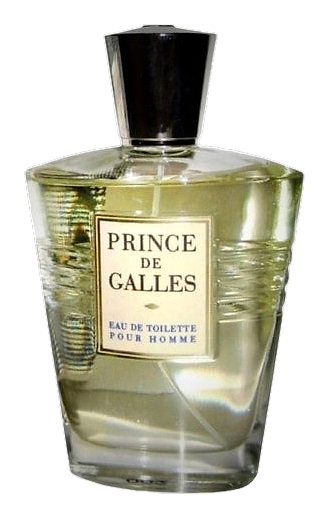
Tracing the lineage of Prince De Galles requires understanding its position within late 20th-century masculine perfumery. The collection emerged during a period when independent perfumers could establish distinct identities outside the major luxury conglomerates that increasingly dominated the fragrance industry. Marcel Bur operated as a boutique fragrance house, creating perfumes that reflected personal aesthetic preferences rather than market-driven formulas. The Prince De Galles name itself carries associations with the Prince of Wales check pattern, a textile motif historically linked to British aristocratic elegance. The timing of the original 1994 release placed it within a transitional moment in perfumery, as the industry began consolidating and designer fragrances challenged traditional house-based perfumery. Marcel Bur's approach harked back to an earlier era of perfumery craftsmanship, when individual noses created signature expressions for discerning clientele rather than targeting mass markets. The subsequent releases through 2000 show methodical refinement rather than rapid expansion, indicating a thoughtful approach to fragrance development that prioritized coherence over volume. Though biographical details about Marcel Bur remain scarce in available sources, the Prince De Galles collection suggests a creator deeply versed in classical masculine fragrance traditions. The Prince De Galles collection embodies a philosophy of masculine refinement through restraint. Rather than chasing trend-driven compositions or maximalist scent structures, Marcel Bur pursued clarity and balance in his aromatic expressions. Critics who have encountered these fragrances note their nuanced quality, describing them as occupying a sophisticated middle ground between established classics. The decision to release multiple variations of the same fragrance line (original, Sport, Gold, Silver) suggests an understanding that masculine fragrance preferences vary by occasion and mood. The Sport variant presumably offers lighter wearability for active contexts, while Gold and Silver editions likely explore different facets of the core aromatic theme. This approach reflects respect for the wearer as someone who distinguishes between contexts rather than defaulting to a single signature scent. The comparative references to Equipage and Le 3e Homme indicate that Marcel Bur's work belongs within the tradition of French masculine aromatic fragrances characterized by structured elegance and restrained complexity. The relative obscurity of the collection, despite critical appreciation, suggests a creator who prioritized artistic satisfaction over commercial expansion.