
The Story
Why it exists.
The beginning
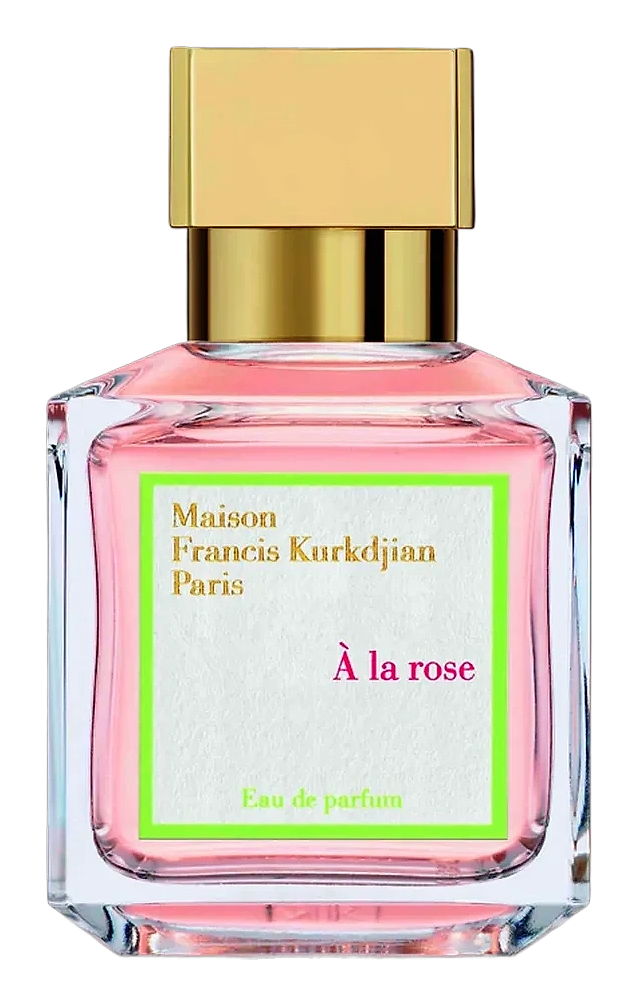
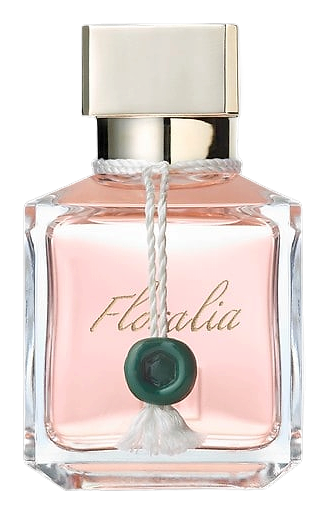
Floralia landed in 2011, a limited expression from a house that had only been building for two years. Francis Kurkdjian created it as a concentrated study in what white florals could do when they stopped apologizing for themselves. No hedging, no safe passage into mainstream appeal. A Russian exclusive at launch, that detail matters. It arrived somewhere specific, for someone specific, before the rest of the world caught on.
What makes Floralia's structure interesting is the tension between its four-note heart and its creamy-floral classification. Rose, Jasmine, Bergamot, Lily of the Valley, that's a compact pyramid, but the density isn't light. The bergamot opens sharp and citrus-forward, creating a contrast with what follows. The florals don't arrive gently. They arrive with weight, with presence, the lily of the valley doing something unexpected in the middle, not green and innocent, but creamy, almost lactonic. This is a white floral that knows it's powerful.
The evolution
The bergamot opens bright and stays for roughly 30 minutes before the florals take over. Rose and jasmine move in together, not competing, not taking turns, arriving as a pair. The lily of the valley threads through them, adding something slightly powdery, slightly sweet, that rounds the edges of what could have been too sharp. By hour two, the composition has settled into something warm and close. The drydown is intimate, skin-close, the kind of sillage that someone next to you will notice before you realize they've noticed. Lasting 4-6 hours depending on skin, with the floral warmth holding longest on dry skin.
Cultural impact
Floralia's status as a discontinued limited release has only deepened its appeal. A Russian exclusive at launch, it never achieved the broad distribution of Baccarat Rouge 540 or Grand Soir, and that rarity has become part of its story. Wearers describe it as the fragrance that made them understand what white florals could do when they stopped being polite. The 2011 launch predates the contemporary obsession with niche and limited releases, making it something of an artifact from a different moment in fragrance culture.