
Heritage
A house, in its own words
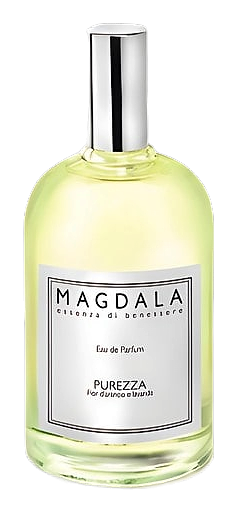
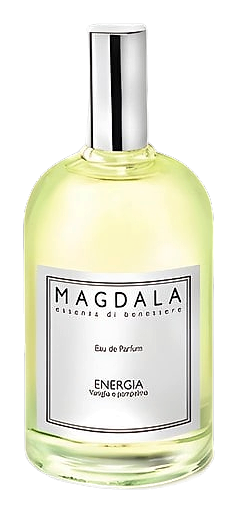
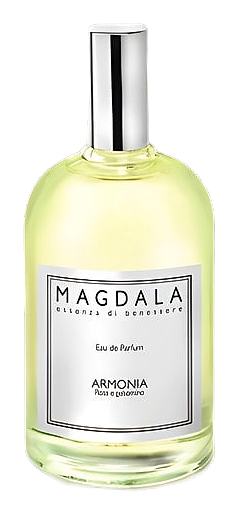
Magdala’s documented fragrance history begins in 2011, when Energia, Armonia, Concentrazione and Purezza were introduced together. Their shared release year suggests a deliberate four-part collection rather than a sequence of unrelated releases. The titles draw on a vocabulary of inner states and human qualities: energia expresses vitality, armonia suggests harmony, concentrazione evokes focus, and purezza conveys cleanliness or spiritual clarity. The name Magdala also carries an association with Mary Magdalene, a figure often connected in Christian tradition with fragrance, devotion and anointing. However, the available research does not confirm whether that association directly informed the brand name or whether any religious meaning is intended. More general sources describe the long history of fragrance, from ancient aromatic preparations to the development of modern perfume, but they do not document a company history for Magdala. No founding date, founder biography, original location or milestone beyond the 2011 collection is independently verified here, so those details remain unstated rather than inferred. Magdala’s clearest creative statement is embedded in the names of its four fragrances. Energia, Armonia, Concentrazione and Purezza treat perfume as an abstract language, using words to define moods and states before a conventional ingredient narrative is offered. This gives the collection an introspective character. The fragrances appear to address different modes of presence, from movement and vitality to equilibrium, disciplined attention and clarity. Rather than presenting scent through a single decorative theme, the names invite wearers to assign their own meaning to each composition. The use of Italian words also gives the range a coherent cultural register, though the research does not identify the perfumers or explain how the concepts were developed. General historical material emphasizes that perfumery has long served personal, cultural and spiritual purposes. That context fits the conceptual structure of the Magdala collection, but it should not be treated as proof of a specific creative manifesto. The label’s documented contribution is its restrained naming system and compact 2011 portfolio.