The Story
Why it exists.
The beginning
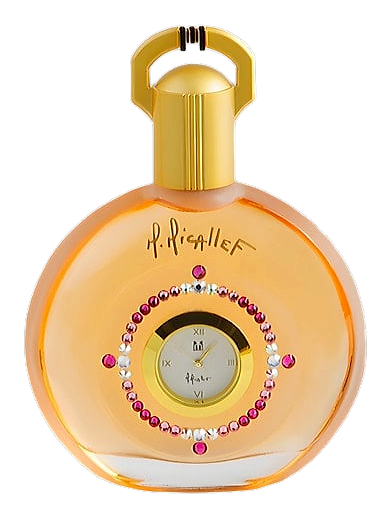
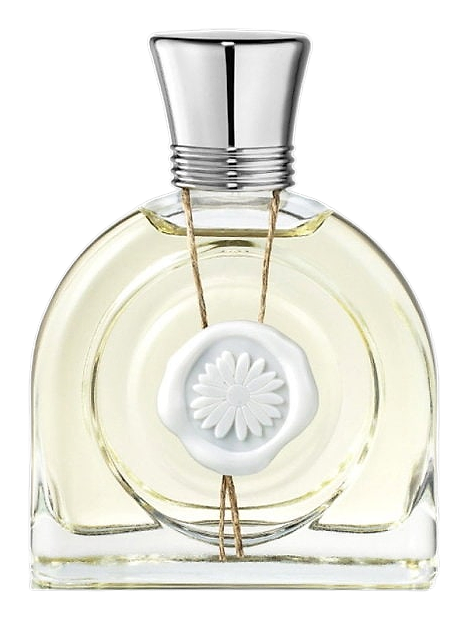
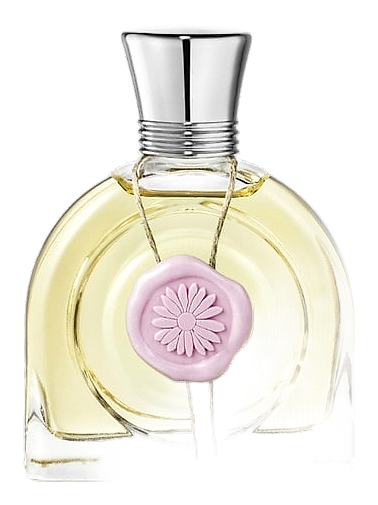
Fleur Aurore arrived in 2019 from the M. Micallef house in Grasse, composed by perfumer Jean-Claude Astier. The name is the concept: aurora, that first grey-blue light before the sun breaks, when flowers are at their most vivid. Night has done its work. Now everything reveals itself. Astier built the fragrance around that revelation, a white floral composition that doesn't announce itself so much as it becomes present, unfolding rather than projecting. The name promises tenderness. The bottle, in keeping with M. Micallef's signature crystal-adorned style, promises occasion. Fleur Aurore is the scent of something becoming visible.
What distinguishes this composition is how the gardenia and ylang-ylang behave together. Gardenia is waxy, lush, almost indolic, the kind of white floral that can tip into headiness. Ylang-ylang is tropical, sweet, faintly spicy. Combined here, they create something that reads as retro, an old Parisian morning, two people who remember a different kind of elegance. The blackcurrant in the opening keeps it from drifting into nostalgia. It grounds the florals in something bright, almost sharp, before the composition softens into its heart.
The evolution
The opening is brief and brisk. Blackcurrant, bergamot, a flash of tartness that clears the air. Within minutes the florals take over, gardenia first, then ylang-ylang arriving like a warm hand on a cold shoulder. The transition is unusual: instead of one note replacing another, they overlap, creating a middle ground that smells both sweet and earthy. Some wearers describe it as creamy, others as tender. Neither is wrong. The tuberose in the heart doesn't overpower as tuberose often does. It deepens rather than announces, a slow, weighted presence that lasts. The drydown is where patchouli earns its place. Earthy, slightly dirty, it tempers the sweetness that came before. Sandalwood follows, smoothing everything into warmth that stays close to the skin for hours. Moderate sillage throughout. Never fills a room. Lingers on fabric long after you've stopped noticing it on your skin.
Cultural impact
Fleur Aurore arrived in 2019, a period when niche perfumery was rediscovering white florals after years of oud and ambroxan dominance. It found an audience among collectors who wanted tuberose and gardenia without the usual bluntness, someone who loves white florals but finds most tuberose compositions overwhelming. The fragrance has built a quiet reputation in collector circles for being the refined alternative: tender where others are loud, present without demanding attention.