

Heritage
A house, in its own words
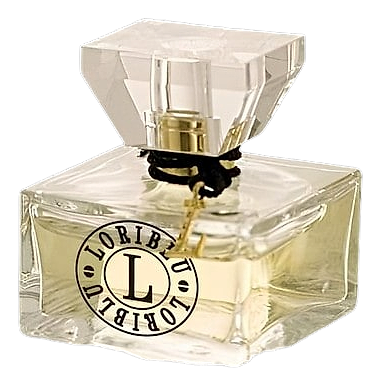
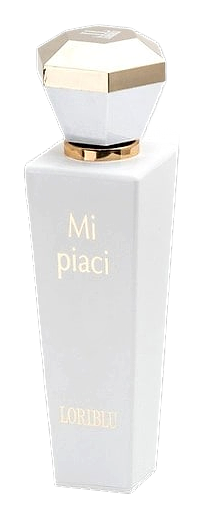
The supplied research does not establish a verified founding year, founder, original location, or a documented Loriblu company history. The available evidence points instead to a modern Italian fragrance house whose public identity is most clearly represented by its named releases. Sensual Seduction Woman and Sensual Seduction Man form the earliest dated milestones in the record, both appearing in 2010. Six years later, Loriblu extended its catalogue with Mi Piaci White and Mi Piaci Black, creating a paired fragrance concept built around contrasting tonalities. Those four releases provide the clearest traceable history of the brand. The surrounding references are about established European fragrance houses such as Houbigant, Lubin, Guerlain, Floris, Santa Maria Novella, L.T. Piver, and Bō. They offer useful historical context for the fragrance industry, but they do not corroborate any Loriblu origin story. As a result, claims about the house's founding, ownership, early perfumers, or first boutique cannot responsibly be included. The defensible narrative is one of expansion through recognisable scent families and gender-paired compositions, beginning with Sensual Seduction in 2010 and continuing with the Mi Piaci duo in 2016. This account deliberately avoids presenting the brand as older than the evidence supports and treats the named fragrance years as its first verifiable milestones. Loriblu's creative philosophy appears to rest on naming fragrance as an experience rather than a single abstract note story. The phrase Sensual Seduction sets an emotional register, while the Woman and Man editions allow the house to frame that idea through complementary perspectives. Mi Piaci, Italian for "I like it," introduces a more playful and direct expression. Its White and Black pairing makes contrast part of the product concept, presenting two moods as related but distinct choices. This structure suggests a practical approach to fragrance discovery: clients can navigate the house by narrative, mood, and edition rather than through a narrow house signature. The catalogue also reflects a willingness to address different preferences within the same family. Sensual Seduction Woman and Man share a unifying idea without collapsing into one gender-specific scent, while Mi Piaci uses colour-like naming to communicate contrast immediately. No source supplied for this profile identifies Loriblu's perfumers, so the compositions should not be attributed to named creative directors. Likewise, the available material does not confirm a formal sourcing charter, a signature ingredient policy, or a detailed statement of brand values. The sound editorial reading of Loriblu is therefore grounded in observable naming and launch patterns: sensorial storytelling, complementary pairings, and a broad choice of moods expressed through accessible Italian-language references.