Heritage
A house, in its own words
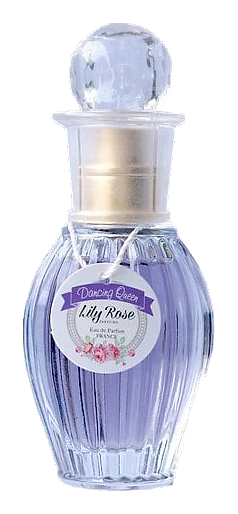
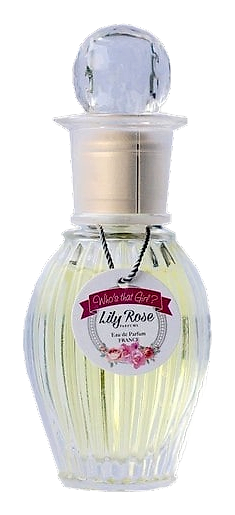
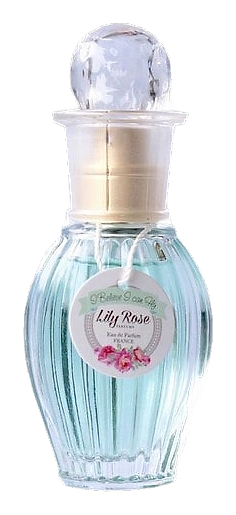
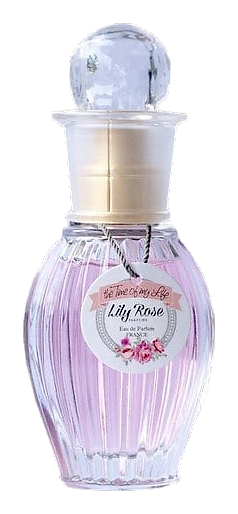
The documented history of Lily Rose Parfums is limited in the available sources, but the brand emerged from France's independent fragrance scene, a sector built around small perfume houses offering distinctive, concept-led compositions. Its debut year for the best-known releases, 2016, saw the house place several fragrances into the market at once. Who's that Girl?, Dancing Queen, I Believe I Can Fly, and The Time of My Life all carry that year as their launch date, suggesting a deliberate strategy of establishing a recognizable portfolio of individual scent stories rather than a single flagship release. The naming pattern reflects that approach. Who's that Girl? draws on the language of attention and self-possession, Dancing Queen evokes performance and nightlife, I Believe I Can Fly points toward freedom and optimism, and The Time of My Life references the transformative moments described in musical theatre. The research also surfaced a separate artisan perfume house, Eros Rose, which shared a blog-style perfume review platform, I Sniff Before I Sleep, and reflects the broader European context in which rose-themed indie perfumery circulates. Lily Rose Parfums is further connected thematically to florist traditions, from the historical prominence of lily of the valley in Western perfumery to the enduring use of rose as a central material, references that help explain why the name carries both botanical and commercial resonance. Lily Rose Parfums presents fragrance as a form of personal storytelling, and its catalogue titles make that intent legible. Each name frames the wearer inside a scene rather than describing a technical olfactory structure. Who's that Girl? speaks to recognition and confidence. Dancing Queen suggests glamour after dark. I Believe I Can Fly captures resolve and release. The Time of My Life references the emotional charge of a turning point. This approach places the house within a contemporary indie perfume sensibility, where emotional resonance and narrative packaging matter as much as the composition itself. The brand's identity also leans on the rose, both as its namesake and as a cultural shorthand for femininity, romance, and polish, while its four 2016 releases explore that femininity through distinct registers rather than a single aesthetic. Notably, the available research does not name a house perfumer or perfumers, nor does it document a formal sourcing charter or a published statement of creative principles. Any account of the brand's perfumery philosophy should therefore be read through the evidence of the collection itself: a portfolio built around mood, memory, and aspirational character, presented in a format suited to discovery and personal interpretation.