The Story
Why it exists.
The beginning
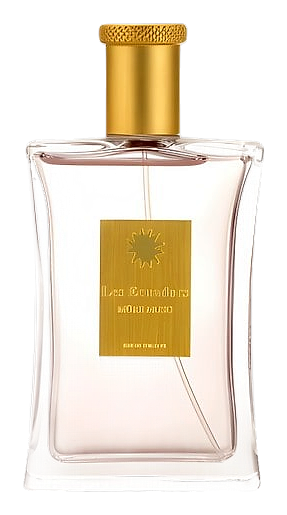
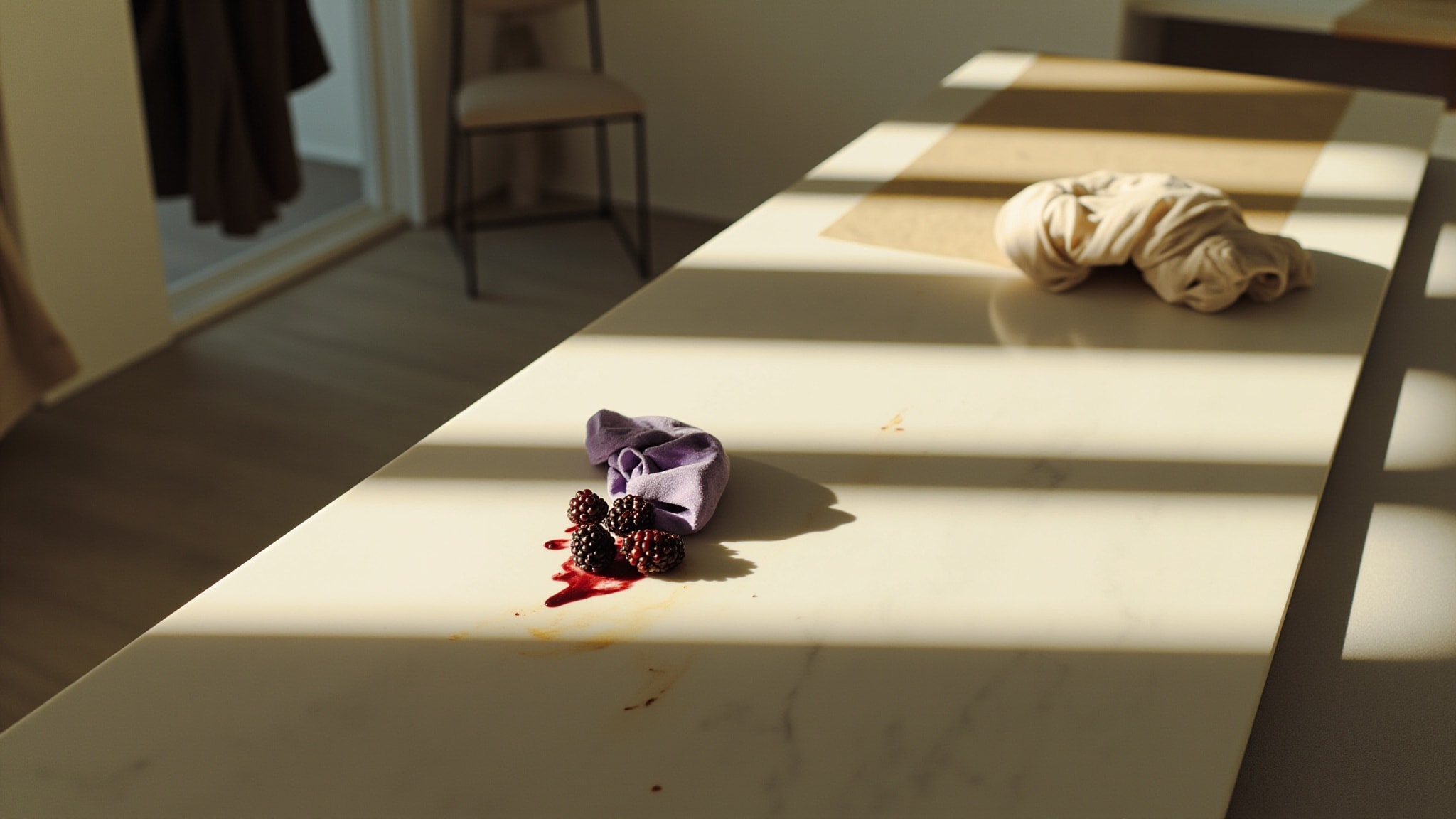
The Les Ecuadors catalogue was still a small-batch experiment when Djorda Fato composed Mure mure. The name itself is a repetition, a doubling. Mure, again. Blackberry, again. The fragrance takes that insistence and reduces it to two materials: the fruit, and the skin it stains. Fato works in the register of intimate naturals, and this composition reads less like a perfumer constructing a fragrance and more like someone pinning down a single memory. Ripe blackberries somewhere in late August. A collar pulled up against the chill. The sweetness that clings to fingers after the basket is empty. The composition speaks to that threshold where fruit and flesh become difficult to separate, where the stain on your hand becomes indistinguishable from the hand itself.
What makes the composition distinctive is its refusal to build a pyramid. Most compositions layer their materials in stages, bright then floral then grounding. Mure mure skips the scaffolding. Blackberry and musk are the entire brief. The result is something between a fruit accord and a skin scent, with no buffer zone between them. Where Fato could have padded the composition with sweetness or resin to give it dimension, he lets the blackberry carry its own weight and trusts the musk to do the grounding.
The evolution
The opening is almost entirely fruit. Blackberry at peak ripeness, the kind that bursts before you bite it. Not candied, not jammy, just wet and dark and a little wild. There's a powdery edge underneath early on, subtle enough to read as skin rather than as a note. As the composition settles, the fruit begins to soften. The sweetness quiets, the musk rises, and the two stop competing for attention. What's left smells like a neck at the end of a long warm day. The blackberry never fully disappears. It fades to a memory of itself, a faint sweetness caught in cotton, lingering well past the point where most fruity compositions would have vanished. The drydown is where this composition earns its staying power. What remains on skin is warm musk with the ghost of berries, something intimate and personal that never tried to be loud.
Cultural impact
Mure mure sits in the category of fragrances that reward close attention. It is the kind of composition someone discovers in a small boutique or through a niche retailer, falls for quietly, and then has trouble explaining to anyone who hasn't smelled it. The fruit-and-skin brief feels quietly confident, the kind of direction that requires the wearer to trust the simplicity. Within the Les Ecuadors catalogue it occupies a distinct position. The house is known for compositions that engage with raw, natural materials, and Mure mure extends that conversation into sweeter territory without abandoning the earthy backbone.
The House
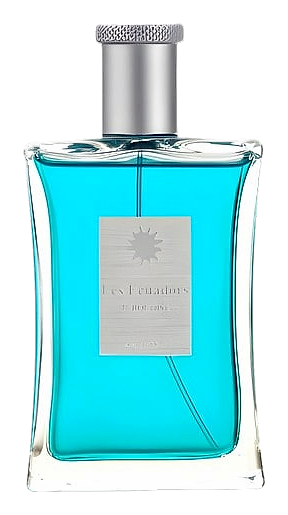
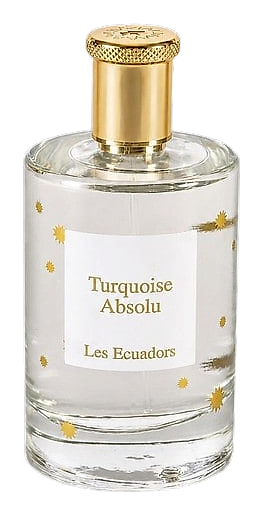
Les EcuadorsLes Ecuadors is an artisan perfumery and jewellery house based in Brussels, Belgium, working at the intersection of scent and adornment. The brand pairs fragrance creation with novelty jewellery, offering a distinctive dual craft. Its perfume catalogue includes notable compositions such as Patchouli, Musc, Mure mure, Ambre, Patchouli Ancien, Turquoise, and Patchoulissimo, suggesting a leaning toward rich, resinous, and earthy olfactive territory. With 15 fragrances in circulation, the earliest released in 2012 and the most recent in 2024, Les Ecuadors maintains a compact but evolving collection rooted in independent, hands-on production.
The Creator
Djorda FatoFato draws on a palette that suggests fluency in both classical perfumery and more contemporary sensibilities. Her florals, in particular, reveal a deft hand at avoiding the common trap of sweetness overload.