


Heritage
A house, in its own words
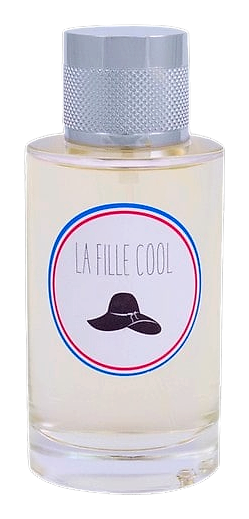
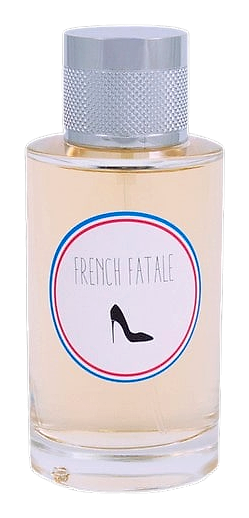
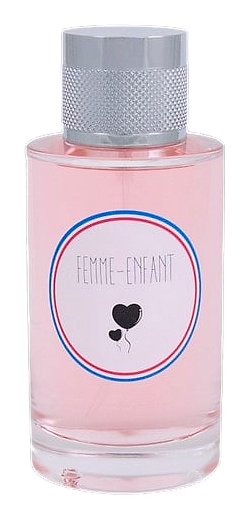
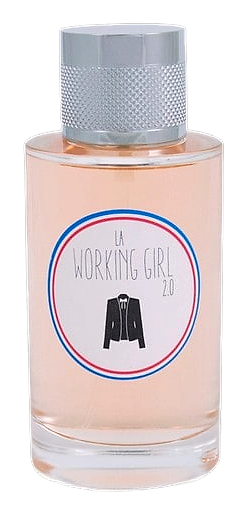
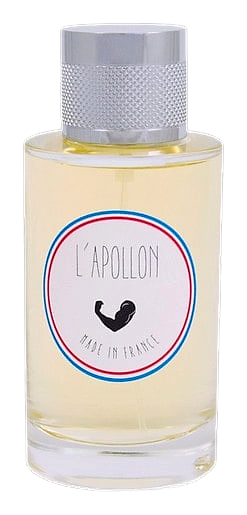
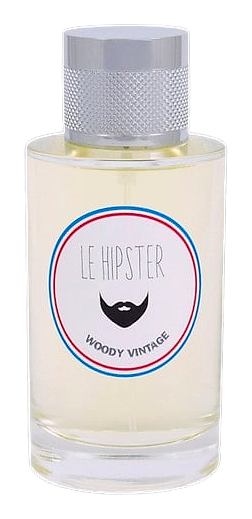
Le Parfum Citoyen was founded in 2017 in Nice by Adrien Gaultier. Gaultier comes from a family connected to perfumery: his grandfather was a master perfumer, and his childhood was shaped by the perfume culture of the Côte d’Azur, where Grasse has long served as an important center for fragrance creation. Rather than treating this background simply as a prestige story, the house has translated it into a direct, civic-minded proposition. Its early development through crowdfunding allowed future customers and supporters to participate before the brand was established. The company presents itself as an ethical and social perfume house, with French production and fair pricing built into its founding premise. That combination of family inheritance and citizen participation gives the brand a distinct place in the contemporary French fragrance landscape. The first collection captured the mood of a young, urban Paris through names such as French Fatale, Geek Chic, Le Hipster, Parisian Dandy and La Working Girl 2.0. The house later expanded its catalogue with fragrances including L’Apollon, L’Homme d’Affaires, Femme Enfant and La Fille Cool, continuing the practice of building each scent around a recognizable social character rather than an abstract fragrance note. Le Parfum Citoyen approaches perfumery as a meeting point between inherited French savoir-faire and everyday contemporary identity. Adrien Gaultier’s family connection to perfumery informs the house, but the collection focuses on recognizable personalities, social roles and cultural scenes. Names such as La Fille Cool, Le Hipster and Parisian Dandy turn fragrance selection into an act of self-characterization. The same democratic impulse shapes the company’s stated civic and ethical orientation. Its origin in crowdfunding places supporters near the creation process, while the brand frames production in France and fair pricing as central principles rather than peripheral details. This does not make the fragrances anonymous or interchangeable. Instead, it gives each one a clear persona and a form of wearability grounded in lived culture. The house’s creative vision is built around three connected ideas: the perfumer’s cultural environment, the freedom to explore different identities through scent, and a more accessible relationship between perfume makers and the people who buy their work. Its language is youthful and humorous, yet the model it proposes is serious, asking how a French perfume house can preserve French making while remaining close to its community.