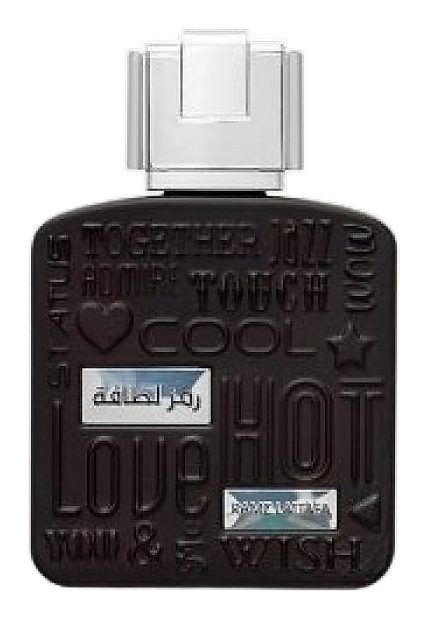
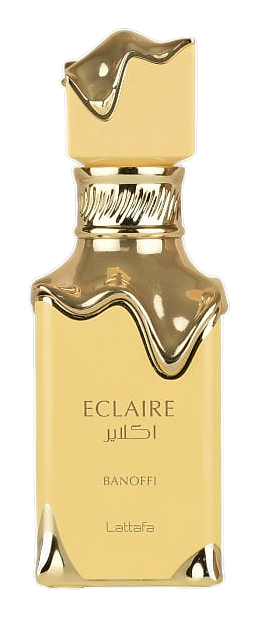
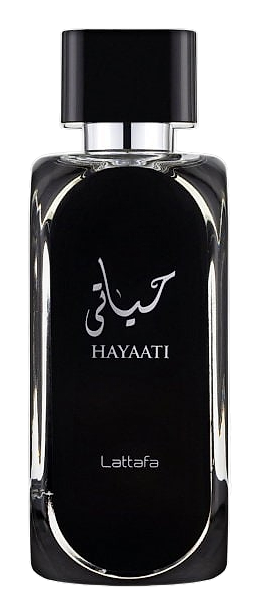
The Heritage
The Story of Lattafa
Lattafa Perfumes is a family‑run fragrance house rooted in the United Arab Emirates. Since its inception in 1980, the brand has blended traditional Arabian attar techniques with modern production to create scents that echo the region’s aromatic heritage while speaking to a global audience. Today the third generation of the founding family guides the label, preserving the original ethos of quality and cultural authenticity.
Heritage
Lattafa Perfumes began in 1980 when Sheikh Shahid Ahmad and his business partner Shoaib Iqbal opened a modest workshop in Dubai. Their goal was to translate the rich olfactory traditions of the Gulf into bottled form, using locally sourced ingredients such as ambergris, musk, and natural oud. In the early 1990s the company secured its first export contracts, reaching markets in the Indian sub‑continent and the Middle East. By the mid‑2000s Lattafa introduced a line of oud‑centric fragrances that quickly gained a reputation for depth and longevity, helping the house stand out among regional competitors. The COVID‑19 pandemic disrupted many supply chains, yet Lattafa leveraged its existing relationships with regional distributors to expand into the United States, where demand for niche Middle Eastern scents surged. In 2025 the brand participated in Beauty World Middle East, showcasing new releases and reinforcing its position as a bridge between heritage and contemporary fragrance culture. Throughout its four‑decade journey, Lattafa has remained a privately held family enterprise, with the founders’ children now overseeing design, marketing, and international growth, ensuring that each generation adds its own layer to the evolving story.
Craftsmanship
Production at Lattafa follows a hybrid model that honors traditional attar distillation while integrating modern quality controls. Raw materials arrive at the Dubai facility after rigorous vetting; natural oud chips, for example, are inspected for age and resin content before being macerated in high‑grade alcohol. The house employs a cold‑press method for extracting citrus top notes, a technique that preserves volatile aromatics without the heat‑induced degradation common in industrial processes. Synthetic aroma chemicals are sourced from ISO‑certified manufacturers and blended only after stability testing confirms they will not alter the fragrance’s character over time. Each batch undergoes a three‑stage quality audit: initial olfactory assessment by senior perfumers, analytical verification using gas chromatography‑mass spectrometry, and a final sensory review in a climate‑controlled chamber. Bottling is performed on a semi‑automated line that still allows artisans to hand‑seal caps and apply the brand’s signature label, ensuring consistency while retaining a human touch. The company’s commitment to longevity is reflected in its use of high‑purity ethanol, which reduces oxidation and extends shelf life. Wastewater from the distillation process is treated on‑site, and excess natural ingredients are either repurposed for secondary fragrance lines or donated to local charitable initiatives, reinforcing a circular approach to production.
Design Language
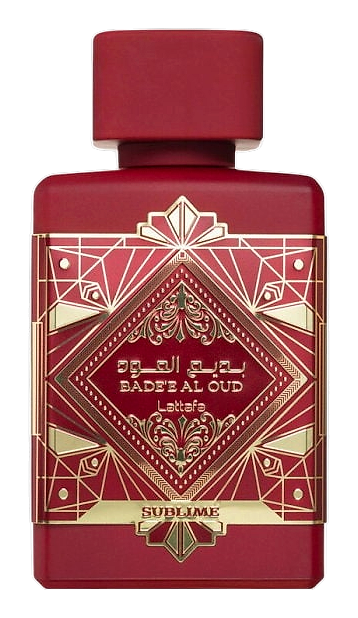
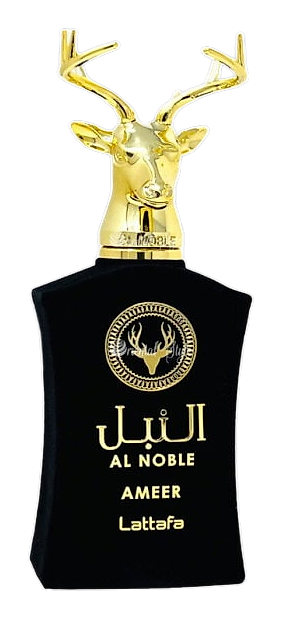
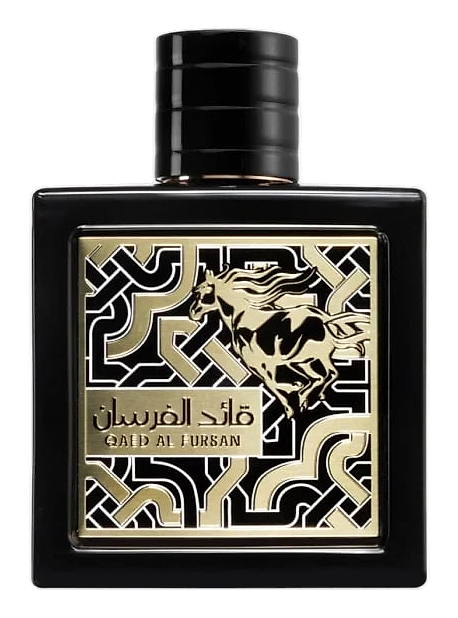
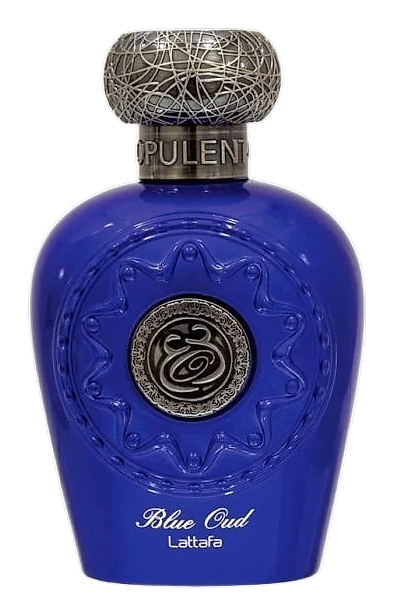
Visually, Lattafa presents a restrained yet evocative identity. Bottles often feature deep amber or midnight‑blue glass, echoing the night sky over the desert, while the caps are finished in brushed gold or matte black to convey both luxury and approachability. The brand’s logo, a stylized Arabic calligraphic swirl, appears embossed on the front, linking the modern product to its cultural roots. Packaging materials are chosen for durability and tactile richness; matte‑finished boxes with subtle foil stamping protect the fragrance while offering a satisfying unboxing experience. Marketing imagery frequently incorporates architectural motifs from historic Emirati forts and contemporary cityscapes, creating a visual dialogue between past and present. Social media visuals favor close‑up shots of the bottle against textured backdrops of sand, spice, or wood, allowing the scent’s character to be hinted at through visual cues. This aesthetic strategy positions Lattafa as a bridge between heritage and modernity, inviting collectors and casual users alike to explore the narrative embedded in each design element.
Philosophy
Lattafa’s creative vision rests on a respect for the sensory language of the Arabian Peninsula. The house believes that a perfume should tell a story of place, memory, and emotion, rather than merely follow fleeting trends. This philosophy translates into a commitment to sourcing ingredients that carry a clear provenance, whether that is oud harvested from the forests of India or rose oil distilled in Bulgaria. The brand also values transparency; product labels disclose the balance of natural and synthetic components, allowing consumers to understand the composition. Sustainability enters the conversation through careful selection of responsibly harvested woods and the avoidance of animal testing. Lattafa’s design team works closely with perfumers to ensure that each scent reflects a balance of strength and subtlety, mirroring the contrast between desert expanses and bustling souks. The company’s ethos emphasizes continuity – preserving age‑old techniques while inviting fresh interpretations from emerging perfumers, thereby keeping the scent narrative alive across generations.
Key Milestones
1980
Sheikh Shahid Ahmad and Shoaib Iqbal founded Lattafa Perfumes in Dubai, establishing a small workshop focused on traditional Arabian scents.
1995
Lattafa secured its first major export contracts, introducing its fragrances to markets in South Asia and the broader Middle East.
2005
The launch of the Oud Al Misk line marked a turning point, gaining regional acclaim for its deep, resinous character.
2020
During the COVID‑19 pandemic, Lattafa expanded distribution to the United States, meeting rising demand for niche Middle Eastern fragrances.
2025
Lattafa participated in Beauty World Middle East, unveiling new releases and highlighting its commitment to sustainable sourcing.
At a Glance
Brand profile snapshot
Origin
United Arab Emirates
Founded
1980
Heritage
46
Years active
Collection
3
Fragrances released
Avg Rating
4.3
Community sentiment


