The Story
Why it exists.
The beginning
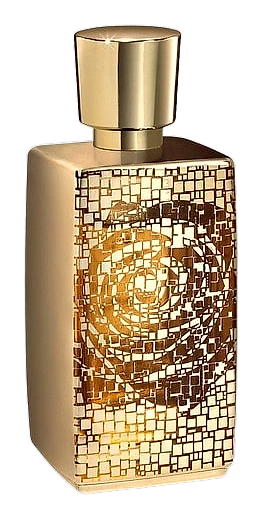
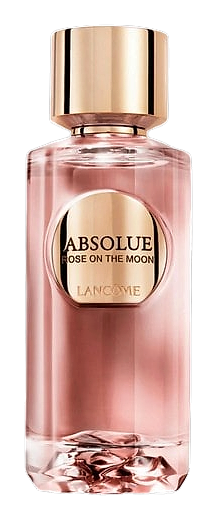
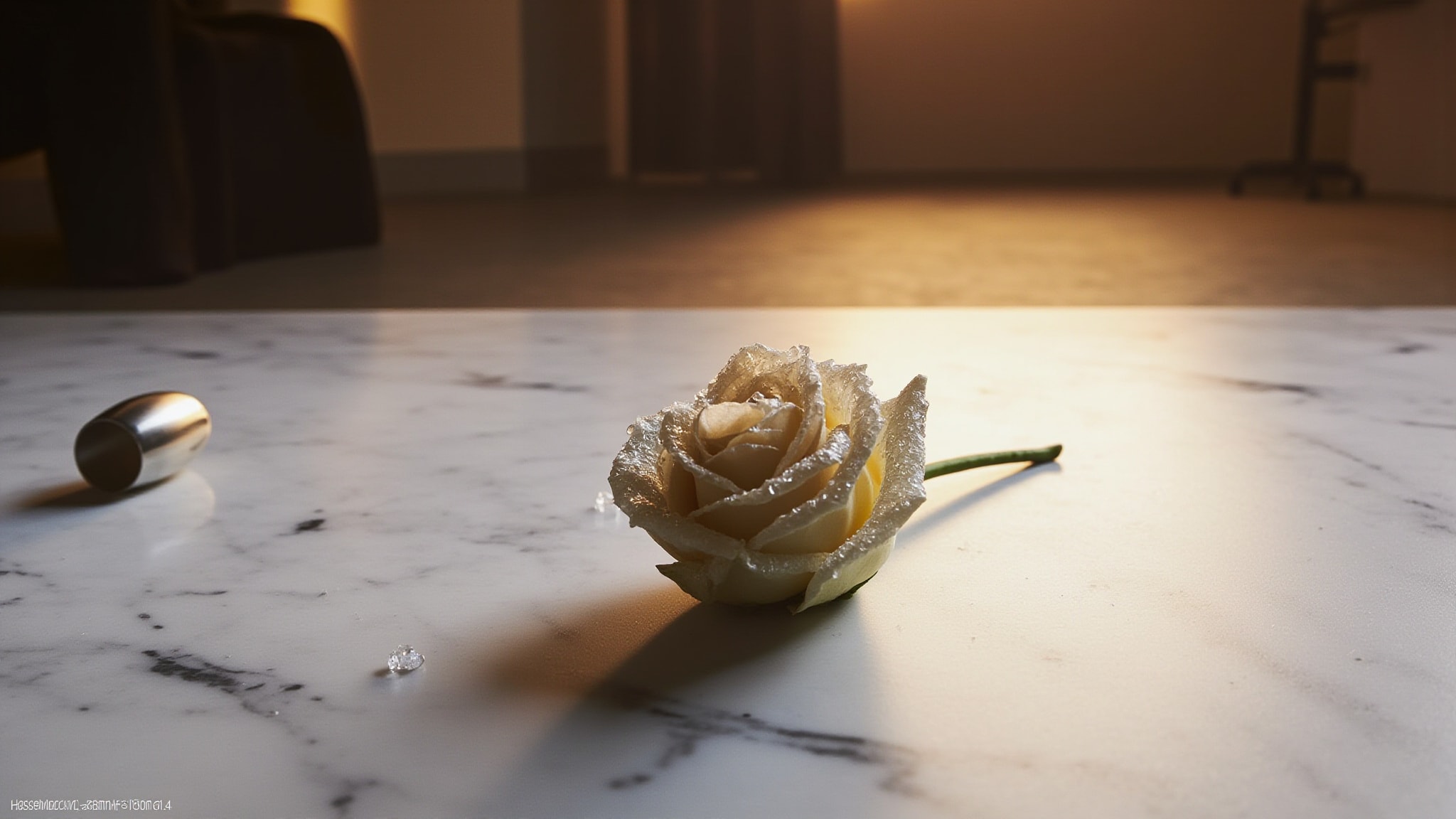
The name holds the entire brief. In moonlight, a rose stops performing. It becomes something colder, more deliberate, almost otherworldly. Fabrice Pellegrin built Absolue Rose On The Moon around that transformation, the idea that the same flower can shed its daylight sweetness and become something magnetic instead. For Lancôme, whose identity lives in sophisticated femininity, this fragrance takes rose to somewhere it rarely goes: not romantic, not soft, but hypnotic. The moon doesn't care about being liked. Neither does this.
What makes this composition unusual is how sandalwood enters the picture. Typically a base note, here it intertwines with the rose from the heart onward, not supporting the flower but completing it. Frankincense adds a cool, almost medicinal edge that keeps the rose from ever feeling conventionally sweet. The result is a fragrance that smells lunar rather than lush, structured rather than soft. Vanilla arrives last, a quiet warmth at the edges of something already complete.
The evolution
The opening hits like cold air, frankincense asserting itself with something mineral and austere. For the first thirty minutes, this is not a rose you would call pretty. Then the May rose enters, denser than expected, and the sandalwood wraps around it immediately rather than waiting for the drydown. The two materials seem to have a conversation. Rose says something. Sandalwood answers. The vanilla appears quietly, almost an afterthought, and then the frankincense fades, not dramatically, just receding like a tide. What remains is the sandalwood-rose pairing, intimate and close, lasting well past the eight-hour mark on most skin types. This is the kind of fragrance that lives near the pulse point, not above it.
Cultural impact
Part of Lancôme's Absolue Les Parfums collection, which centers on the Centifolia rose grown at the brand's own estate. The collection launched with eleven compositions, each pairing the exclusive rose with a different element of nature. Rose on the Moon represents the lunar interpretation, cool, austere, hypnotic, positioning itself against the lush rose interpretations that dominate the category. The 2024 release reflects a broader trend in perfumery: cooler, more cerebral takes on classic florals.
The House
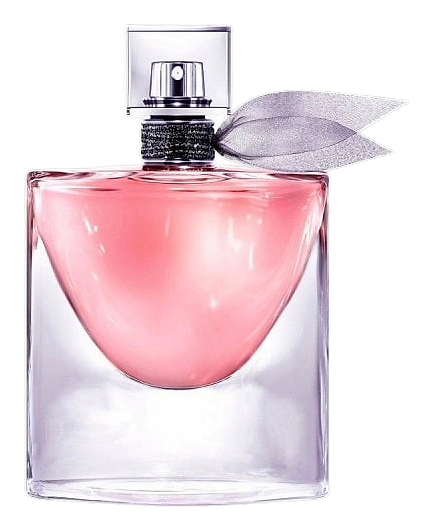
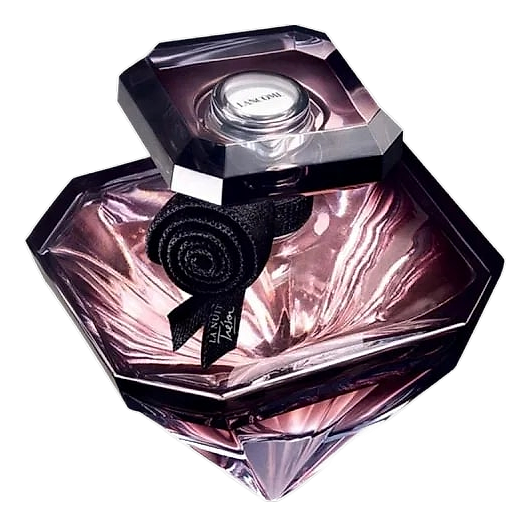
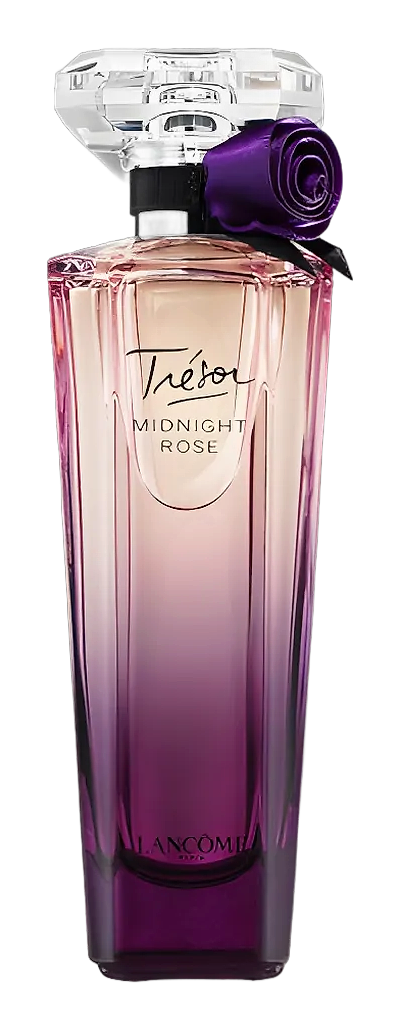
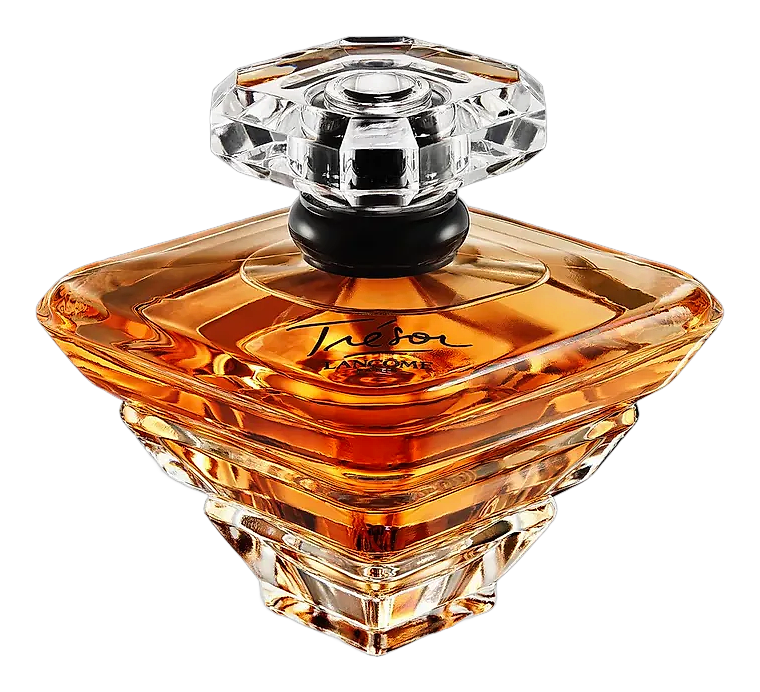
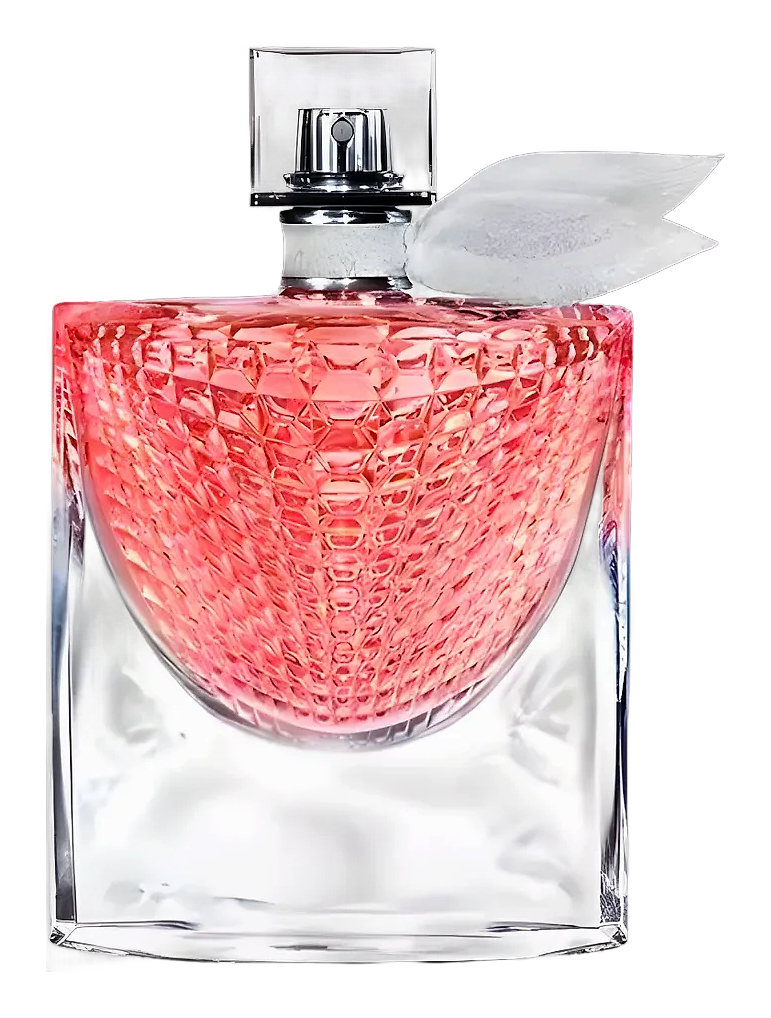
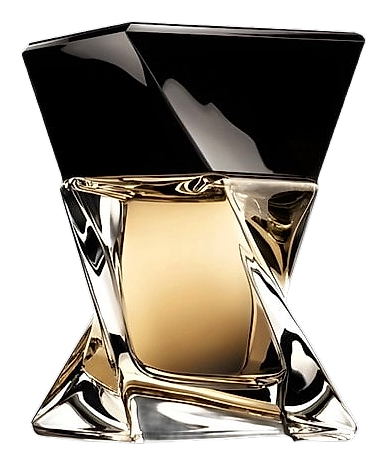
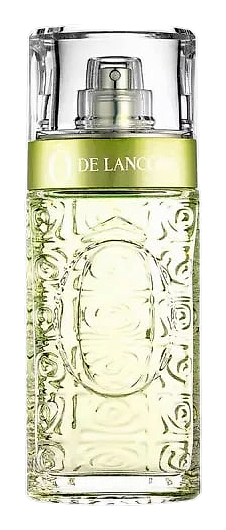
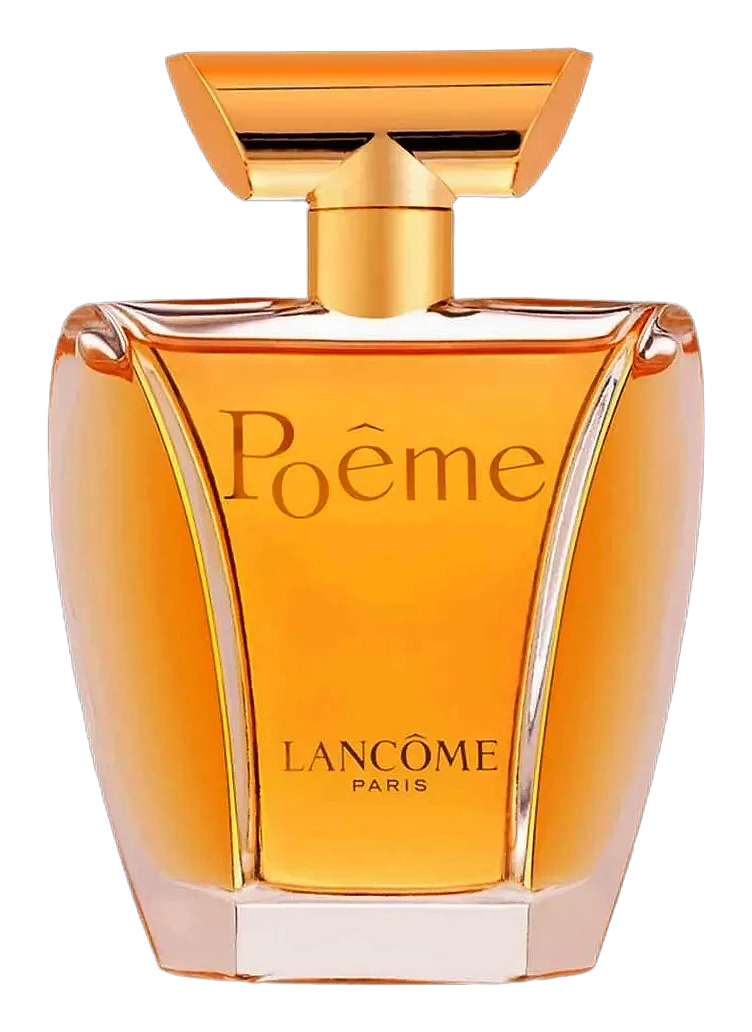
LancômeLancôme stands as one of France's most enduring luxury beauty houses, a name synonymous with elegant femininity and the art of French perfumery. Founded in 1935 by Armand Petitjean, the house emerged during economic uncertainty with a clear mission: to bring prestige back to beauty after witnessing the mass-market drift of his former employer. Today, operating under L'Oréal's luxury division, Lancôme balances heritage with modernity, crafting fragrances like La Vie Est Belle and Trésor that have become global icons while maintaining the golden rose emblem that has marked its bottles for nearly ninety years.
The Creator
Fabrice PellegrinPellegrin's style often leans towards a bright, fresh feel, frequently incorporating citrus notes and clean musks. He's known for his skill in creating light and airy fragrances, yet with surprising depth and longevity.