The Story
Why it exists.
The beginning
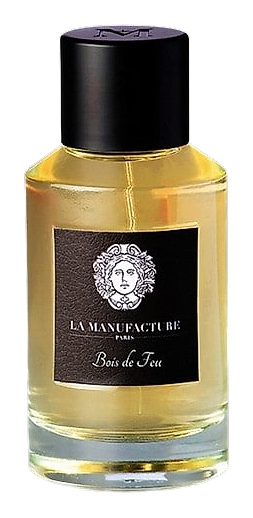
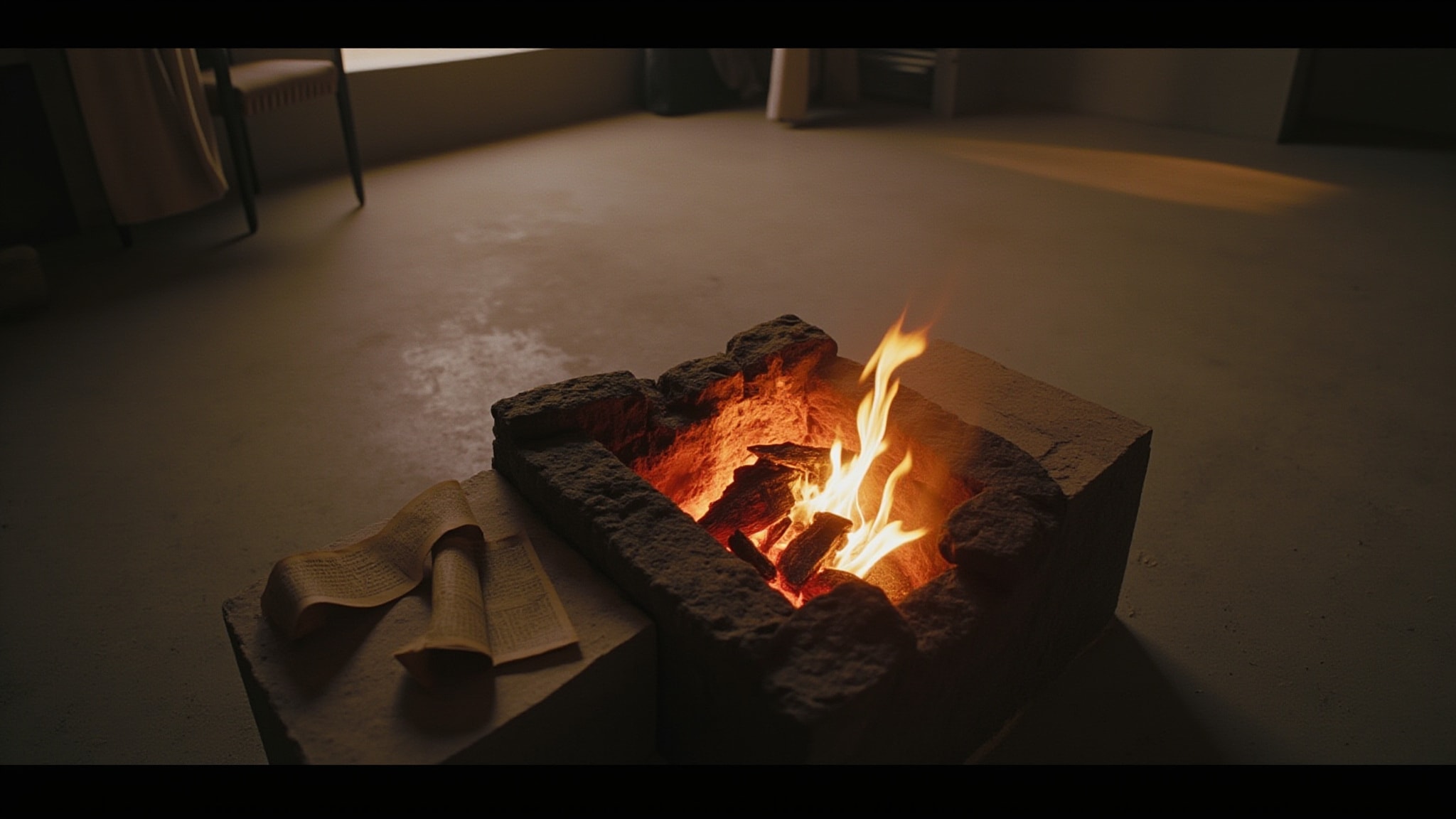
Bois de Feu emerged from a question about atmosphere and memory. What does a firelit room smell like from the inside? Not the woodsmoke itself, but the quiet that follows, the warmth that lingers after the flames die down. Papyrus provided the kindling, oud the structure, frankincense the smoke, and vanilla the eventual sweetness that makes the whole thing feel inhabited rather than abandoned. These four materials work together to create something that feels lived-in, present, and warm.
The composition works because it resists the obvious move. The papyrus is dry, almost mineral, and the oud doesn't announce itself. It sits in the background, adding a slight funk and a tobacco-ish quality that keeps the whole thing from feeling like a candle. The frankincense is aromatic and resinous, lending a sacred quality to the smoke. What could have been a straightforward pyromania fantasy becomes something more considered, an evening indoors rather than outdoors. The restraint in the blend is what separates it from heavier, more aggressive smoky fragrances.
The evolution
It opens sharp. Papyrus first, dried, mineral, like kindling that hasn't caught yet. Oud follows immediately, bringing a darker, almost fermented quality. This is wood that's been burning, not wood about to burn. The frankincense takes over as the top notes recede. Smoke fills the space without overwhelming it, and the temperature reads warm. No sweetness yet. That's the frankincense doing the heavy lifting. Vanilla finally arrives to soften everything. It melts the smoke, warms the paper, turns the whole thing into something worn and comfortable. The drydown is intimate. Close to skin. The smoke doesn't disappear, it marries the vanilla, and that's where it stays for the remaining hours.
Cultural impact
Bois de Feu occupies a specific corner of niche perfumery: smoky woods for people who find most smoky woods too aggressive. The community comparison to Le Labo's Cedre 11 is earned. Both share that dry, bonfire-like character and that slightly tobacco-ish quality that reads more atmospheric than sweet. It also shares DNA with Comme des Garçons Leaves Series, specifically in the bitter black tea quality one reviewer detected. Discontinued now, which has only sharpened its appeal among those who seek it out. The restrained approach to smoke makes it stand apart from bolder, more aggressive interpretations of the genre.