
The Story
Why it exists.
The beginning
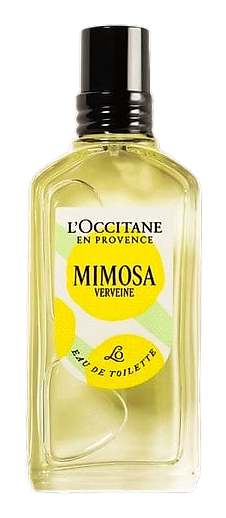
The story begins on the hills of Tanneron, where mimosa trees turn the Provençal winter gold. Perfumer Sophie Truitard wanted to bottle the feeling of that moment, the cool morning air warming under sun that catches the blossoms, the scent already in the air before you've consciously noticed it. She reached for verbena first: that lemony, almost medicinal freshness that wakes you up without asking. Then mimosa, its powdery sweetness softened by jasmine so it doesn't tip into something too bright. Moss grounds the whole thing, keeping it organic and close to the earth rather than synthetic and distant. The result is a fragrance that translates a specific place and time into something you can carry with you.
What makes this composition interesting is the tension between cool and warm. The verbena opens sharp, almost astringent, green and citrusy in a way that feels like the first breath of a winter morning. But mimosa doesn't wait long to arrive, and its powdery sweetness reframes everything that came before. It's the same move perfumers have used for decades: introduce something bright, then soften it with something floral. Here it works because the mimosa doesn't overpower, it brightens the verbena rather than replacing it.
The evolution
The opening is all verbena, sharp, lemony, invigorating. It reads like crushed leaves on a cold morning, bright without being sharp enough to sting. Before long, the jasmine starts to round the edges, softening the citrus into something more approachable. Mimosa arrives next, and that's where the fragrance makes its statement: a powdery, sunlit sweetness that doesn't overwhelm but absolutely announces itself. The warmth builds gradually, like sun through glass, you're warmer but you didn't notice the exact moment it changed. As the fragrance develops, the florals begin to settle. Moss emerges from the base, bringing an organic, almost damp quality that evokes forest floors after rain. Nothing here is loud. The sillage stays close to the skin, the kind of projection that only the wearer and anyone standing close will notice.
Cultural impact
Mimosa Verveine arrives as a reminder that fragrance can be memory and place rather than performance and projection. The composition rewards attention rather than demanding it, unfolding in layers that invite the wearer to discover nuance with each wearing. Its intimate character makes it the kind of scent that feels personal, almost secretive, meant for moments of quiet reflection rather than announcement. The fragrance speaks softly but with conviction, finding its audience among those who appreciate the understated elegance of botanical craftsmanship.
The House
L'Occitane en ProvenceL'Occitane en Provence is a French fragrance house rooted in the botanical traditions of southern France. Founded in 1976, the brand translates the scents of wild rosemary, lavender and almond into perfumes, body mists and skincare that feel like a walk through a Provençal market. Today the company ships its scented creations to more than 90 countries, yet each bottle still carries the imprint of the hills, stone houses and sun‑baked fields where the first essential oils were distilled. The line balances classic floral and warm amber notes with a modern sensibility for natural ingredients, offering a quiet alternative to the louder, synthetically driven offerings that dominate many shelves.
The Creator
Sophie TruitardSophie favors a transparent structure that reveals each layer in turn. She often begins with a crisp citrus or green opening, then builds a heart of soft florals such as freesia or peony, before grounding the composition with warm woods like cedar or sandalwood.