








    Brand Profile

    Kokeshi entered the niche fragrance scene in 2016 with a concise portfolio that balances playful pop culture references and quiet Japanese m…More

    Japan (reported)·Est. 2016

    4.0

    Rating

    13
    Lotus by Kokeshi
    Best Seller
    4.0

    Lotus

    Tonka by Kokeshi
    Best Seller
    4.0

    Tonka

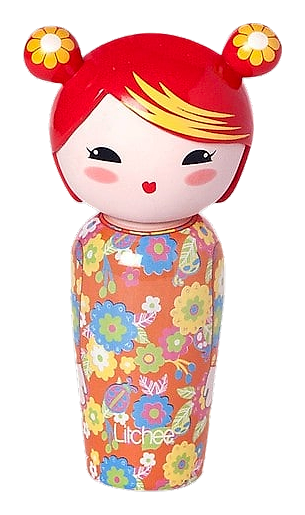
    Litchee by Kokeshi
    Best Seller
    3.9

    Litchee

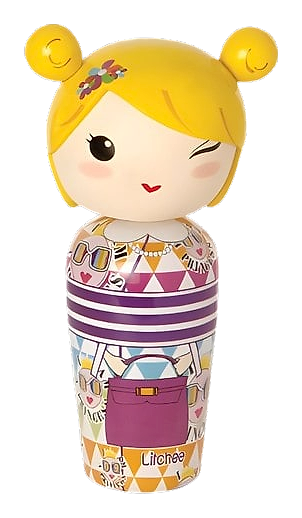
    Litchee by Jeremy Scott by Kokeshi
    3.9

    Litchee by Jeremy Scott

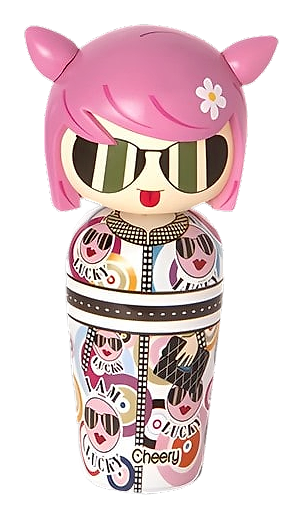
    Cheery by Jeremy Scott by Kokeshi
    3.8

    Cheery by Jeremy Scott

    Neko by Kokeshi
    3.8

    Neko

    Bambu by Kokeshi
    3.7

    Bambu

    Bambu by Jeremy Scott by Kokeshi
    3.6

    Bambu by Jeremy Scott

    Cheery by Kokeshi
    3.6

    Cheery

    Oud by Kokeshi
    3.5

    Oud

    Tonka by Jeremy Scott by Kokeshi
    3.4

    Tonka by Jeremy Scott

    Amber by Kokeshi
    3.3

    Amber

    1 of 2

    The Heritage

    The Story of Kokeshi

    Kokeshi entered the niche fragrance scene in 2016 with a concise portfolio that balances playful pop culture references and quiet Japanese motifs. The brand currently offers thirteen distinct scents, ranging from the bright, candy‑inspired Litchee to the deep, resinous Oud released in 2017. Each perfume arrives in a minimalist bottle that lets the scent speak for itself, inviting collectors to explore a curated scent journey without the clutter of mass‑market hype. Kokeshi’s steady rollout, capped by the 2023 launch of Neko, shows a measured growth that respects both creative ambition and the patience of scent enthusiasts.

    Heritage

    Kokeshi began as a collaborative project between a group of independent perfumers and the fashion designer Jeremy Scott. In early 2016 the brand unveiled three co‑created fragrances—Litchee, Bambu and Cheery—each bearing Scott’s signature pop‑art flair while retaining a subtle Japanese sensibility. The partnership attracted attention from niche‑fragrance blogs, which noted the unusual blend of Western pop culture and Eastern minimalism. Following the debut, Kokeshi expanded its catalogue with Oud in 2017, a scent that explored the rich, animalic character of agarwood while keeping the brand’s clean aesthetic. Over the next few years the house introduced Tonka, Lotus and other single‑note explorations, each released in limited batches to maintain quality control. In 2023 the brand released Neko, a fragrance inspired by the graceful movements of a cat, marking the most recent addition to its line‑up. Throughout its eight‑year history Kokeshi has kept a low‑profile distribution model, selling primarily through its own website and select boutique partners. This approach has allowed the house to stay independent, experiment with niche ingredients, and build a loyal following among collectors who appreciate thoughtful composition over flash‑driven marketing.

    Craftsmanship

    Kokeshi works with a small network of independent perfumers who specialize in both natural extracts and modern synthetics. The brand sources tonka bean from Venezuela, lychee essence from Thailand, and agarwood from sustainably managed plantations in Indonesia. Each raw material undergoes a strict quality check before entering the formulation lab in Tokyo, where the perfumers blend the components in stainless‑steel vessels under controlled temperature and humidity. The house favors batch sizes of 500 to 1,000 units, a scale that allows the team to monitor each step of the production chain. After blending, the mixture rests for a minimum of four weeks, a period that lets the notes harmonize and the scent mature. The finished perfume is then filtered through a fine mesh to remove any particulate matter before being poured into the brand’s signature frosted glass bottle. Kokeshi caps each bottle with a brushed aluminum top that screws on securely, preventing evaporation. The final product undergoes a sensory evaluation by a panel of trained noses, who verify that the scent matches the original brief and meets the house’s standards for longevity and sillage. This meticulous process, repeated for every release, ensures that each Kokeshi fragrance delivers a consistent, high‑quality experience.

    Design Language

    Kokeshi’s visual language mirrors its olfactory restraint. The brand’s bottles feature a simple cylindrical shape with a matte frosted finish that softens the glass and hints at the scent’s subtlety. A thin line of brushed aluminum encircles the base, providing a tactile contrast and a nod to industrial design. Labels display the fragrance name in a clean sans‑serif typeface, centered on a white background, while the Kokeshi logo—a stylized wooden doll silhouette—appears in a muted charcoal hue. The packaging box follows the same minimal approach, using recycled kraft paper with a single printed line of text that describes the scent’s inspiration. In promotional photography, Kokeshi pairs its products with natural textures such as bamboo, stone, or smooth wood, reinforcing the brand’s connection to Japanese craft aesthetics. The overall image conveys calm confidence, inviting the consumer to focus on the perfume itself rather than on flashy branding.

    Philosophy

    Kokeshi frames scent as a quiet conversation between memory and moment. The brand believes that a perfume should capture a single emotion rather than overwhelm the wearer with layered theatrics. It draws inspiration from Japanese craft traditions, where restraint and precision guide creation. Each fragrance starts with a story—whether a childhood snack, a walk through a bamboo forest, or the sleek silhouette of a cat—and the team translates that narrative into a single olfactory focus. Kokeshi values transparency, so it lists key ingredients on its product pages and shares the inspiration behind each name. The house also respects the environment, opting for recyclable packaging and sourcing ingredients from suppliers with documented sustainability practices. By keeping its line lean, Kokeshi can devote attention to each launch, ensuring that every bottle reflects the brand’s commitment to honest, unpretentious scent design.

    Key Milestones

    2016

    Brand launch with three Jeremy Scott collaborations: Litchee, Bambu, and Cheery

    2017

    Release of Oud, expanding the line into rich, resinous territory

    2020

    Introduction of Tonka, a warm, vanilla‑driven scent that broadened the portfolio

    2023

    Launch of Neko, the first cat‑inspired fragrance and the latest addition to the collection

    At a Glance

    Brand profile snapshot

    Origin

    Japan (reported)

    Founded

    2016

    Heritage

    10

    Years active

    Collection

    1

    Fragrances released

    Avg Rating

    4.0

    Community sentiment

    Release Rhythm

    2023
    1
    2017
    2
    2016
    5

    Did You Know?

    Interesting Facts

    Distinctive details and defining moments that shape the house personality.

    01

    The brand name Kokeshi references traditional Japanese wooden dolls, reflecting the house’s affinity for simple, handcrafted objects.

    02

    All Kokeshi fragrances are produced in batches of no more than 1,000 units, a scale that helps preserve scent integrity.

    03

    Jeremy Scott’s 2016 collaborations marked one of the earliest high‑profile fashion‑fragrance partnerships in the niche market.

    04

    Kokeshi’s bottle design uses a frosted glass finish that diffuses light, creating a soft visual effect that mirrors the subtlety of the scents.