Heritage
A house, in its own words
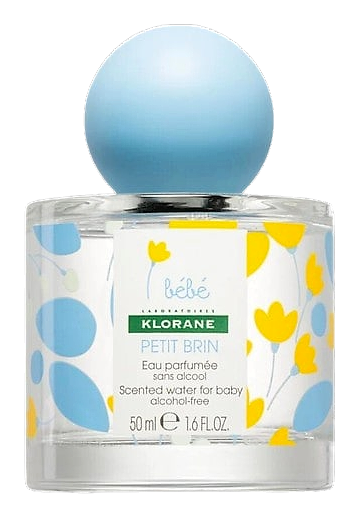
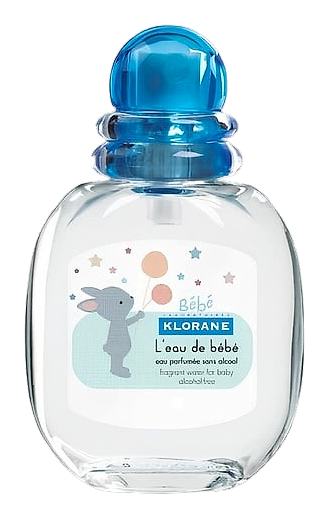
Klorane began in the pharmacy of Pierre Fabre, a young pharmacist based in the southwest of France. Fabre built the brand around his interest in plants and their use in health and beauty. Its name reflects that origin, combining chlorophyll with the Fabre family name. The company later expanded from haircare into the wider category of gentle personal care, while retaining a close connection to pharmacy-led product development. Its fragrance business developed within that broader context rather than through the independent perfumery tradition associated with houses such as Guerlain or Houbigant. L’Eau de Bébé became one of the clearest expressions of this identity when it appeared in 2004. Petit Brin followed the same child-oriented approach, using an alcohol-free scented-water format commonly described as baby cologne. Klorane’s history is therefore less about a succession of celebrated fragrance compositions than about extending a plant-based care philosophy into scent. The available evidence does not establish individual perfumers or a conventional fragrance-house creative lineage. It instead points to a brand shaped by a pharmacist founder, regional French roots and the adaptation of plant-based care products for families and sensitive routines. Klorane’s approach begins with the idea that plants can play a useful role in everyday health and beauty. This conviction came from Pierre Fabre’s pharmacy practice in southwestern France and gives the brand a consistent frame for both haircare and fragrance. Its philosophy is practical and sensorial. Plant ingredients, softness and simplicity matter more than obscure technology or theatrical perfumery. In fragrance, that outlook appears through gentle compositions intended for babies and young children, where comfort and freshness take precedence over intensity. Petit Brin’s alcohol-free format reinforces this care-oriented reading of scent, presenting fragrance as a light scented water rather than a formal eau de parfum. L’Eau de Bébé similarly extends a familiar idea of baby freshness into a branded fragrance category. The supplied research does not identify Klorane’s fragrance perfumers or provide detailed notes for these releases, so their creative authorship cannot be credited to specific noses. What can be said is that Klorane treats scent as part of routine care, not simply as an accessory. Its products favor accessible emotional registers such as tenderness, cleanliness and childhood. This also explains why the brand occupies a distinct space between personal care and fragrance discovery.