The Story
Why it exists.
The beginning
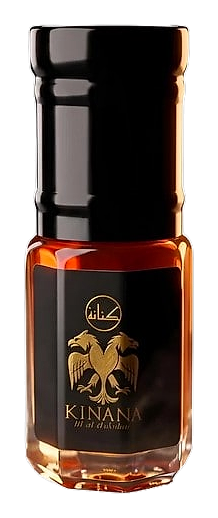
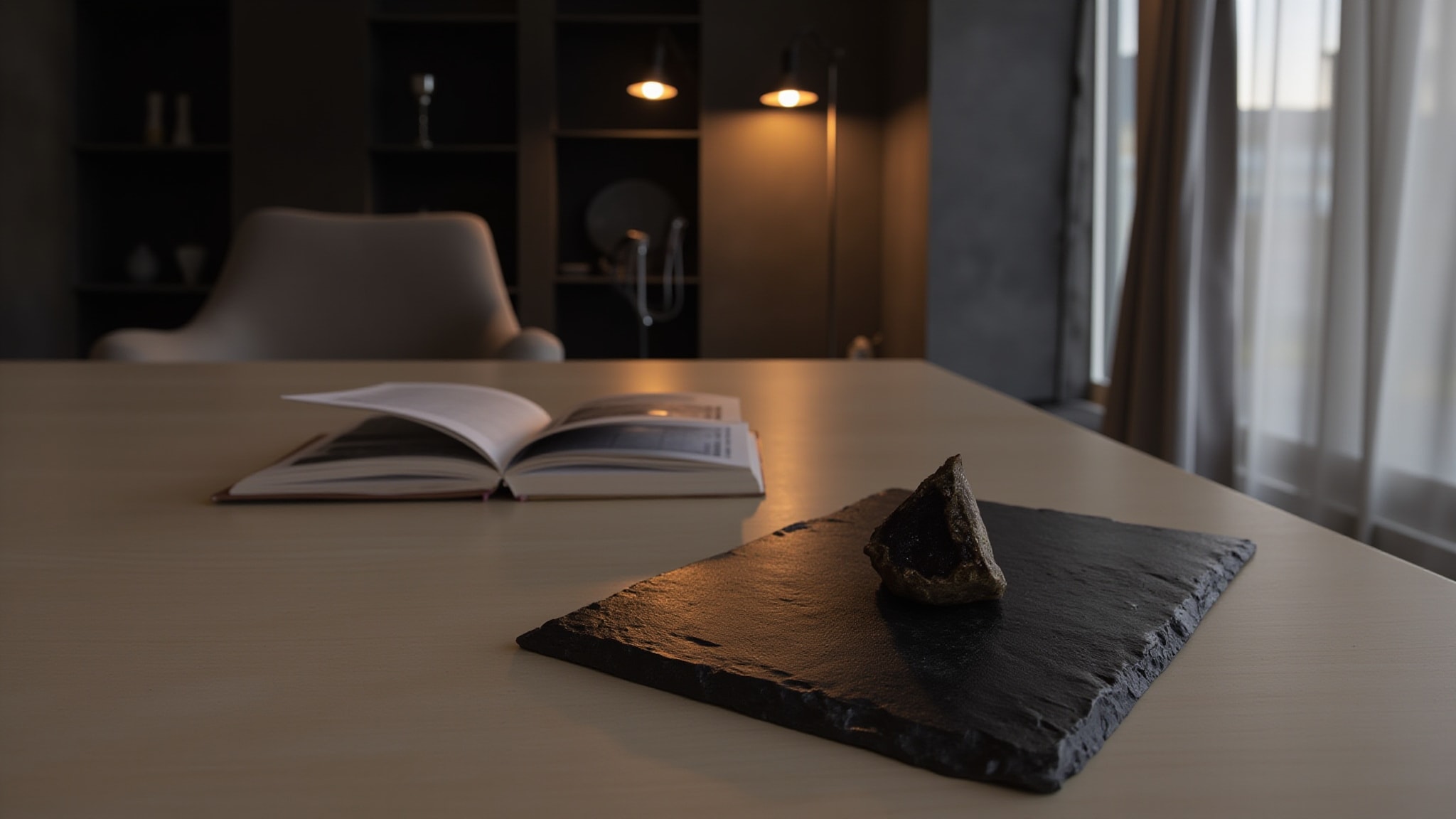
Ambon takes its name from a place long associated with fine aromatic materials. The fragrance is built around Indonesian oud, presented as a single-material statement. While the Kinana collection explores oud across regions and moods, Ambon strips the brief down to a single raw material and trusts it to carry the weight. The philosophy here is straightforward. No top-and-base architecture. No crowd-pleasing opening. Just oud, presented whole. The opening carries the green, damp character the brand describes as wet leaves, with smoke curling through from the first moments. There's an incense-like quality to the way the scent enters the air, almost ritualistic, as though the fragrance is inviting you to slow down rather than perform.
What makes Ambon unusual isn't its rarity. Indonesian oud from this region has been treasured for its distinctive character. What's uncommon is the restraint. Most modern oud fragrances build around the material as a base note, but Ambon makes it the entire composition. There's nothing to brighten the opening, nothing to soften the edges, nothing to sweeten the drydown. Just oud in its full spectrum: the leathery bark, the smoky char, the resinous sweetness that lives underneath.
The evolution
Ambon doesn't change so much as deepen. The opening reads almost smoky, the green and damp impression giving way to charred wood, a hint of leather, the dry crackle of bark under heat. That's the top of the oud spectrum speaking, and it can feel austere on a first encounter. As time passes, the resin starts surfacing. The harsh smoke softens into something warmer, sweeter, with that honeyed undertone Indonesian oud carries when it's been treated well. There's no floral interlude, no spicy pivot. The arc is purely vertical: deeper into the same material. What surprises people is how long the base clings. The drydown reads softer, sweeter, closer to the oud's natural resin profile than the smoky bark of the opening. It doesn't project far. Ambon is built for the wearer, not the room. The way Ambon wears tells you something about the oil itself.
Cultural impact
Ambon belongs to a particular category of single-material oud releases that treat the ingredient as the finished work rather than a component. For those who already collect oud seriously, this presentation speaks directly to what makes the material distinct, sidestepping the conventions of mainstream fragrance entirely. The fragrance doesn't try to meet expectations built around accessibility or familiarity. It offers something more direct: oud as oud, without translation, without softening, without the supporting cast of notes that typically accompany the material in Western perfumery.