Heritage
A house, in its own words
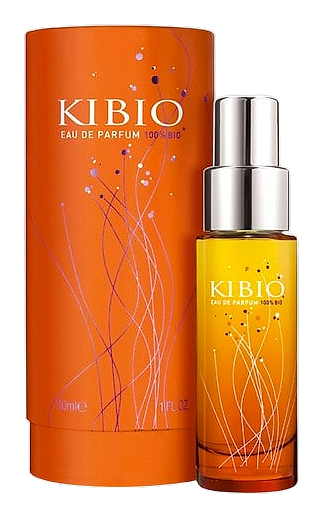
Kibio traces its history to 1998, when French perfumer Dominique Ropion and his wife Marie-Hélène founded the house with an explicit focus on organic fragrance. The name itself became part of the brand story: Ki refers to Dominique, while Bio signals the use of certified organic ingredients and a more natural approach to perfumery. The company built its reputation through products such as Angular, Aqua Universal, and later Kibio Eau de Parfum 100% Bio. The 2008 release became especially important to the house’s identity because it joined an appealingly tactile amber and powder composition with a clearly stated organic positioning. Kibio later expanded beyond perfume into body care and scented accessories, extending the brand’s approach into everyday rituals. The supplied research does not provide a detailed chronology of the founders’ early years or the precise dates of every subsequent collection, so those milestones should not be inferred. What is clear is the shape of the house’s development: a small independent perfumery founded around certified organic materials, followed by a broader range of natural fragrances and lifestyle products. The company’s history is therefore best understood through its evolving catalogue and its sustained emphasis on organic certification rather than through claims of scale or market leadership. Kibio’s creative direction has always been closely associated with natural materials, sensuality, and the idea that a fragrance can feel both polished and close to the body. The house’s name and its long-standing use of the Bio label make organic certification a central part of that identity, not merely a marketing modifier. The house is particularly associated with compositions that emphasize warmth, texture, and an animalic sensibility. Kibio Eau de Parfum 100% Bio illustrates that approach through an amber-forward, powdery character, a style that contrasts with the brighter citrus and fresh herbal profiles common in many organic fragrances. The brand’s position is less about simple freshness than about creating perfume with depth, softness, and emotional impact. Under Dominique Ropion, Kibio developed a recognizable vocabulary built around patchouli, vanilla, amber, woods, and refined gourmand notes. The house has also explored the relationship between scent and the body through companion products for skin, hair, and the home. This gives the brand a coherent ritual dimension, presenting perfumery as something layered into daily life rather than reserved for a single formal occasion. Across its catalogue, the recurring principles are certified organic inputs where available, expressive scent profiles, and practical extensions of fragrance into grooming and home products. The supplied sources do not identify a fully documented perfumery philosophy or specific sourcing policy beyond the brand’s organic positioning, so broader claims should be approached cautiously.