The Story
Why it exists.
The beginning
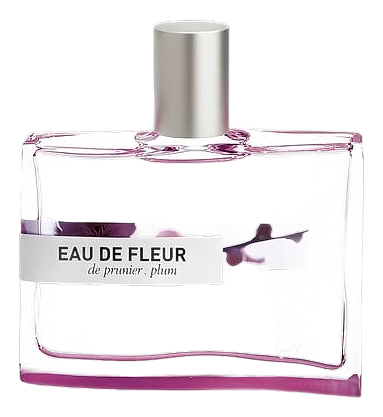
Eau de Fleur de Prunier arrived in June 2009 as the fourth chapter in Kenzo's Les Eaux de Fleur Collection, a series built around single botanical portraits. This one belongs to the plum blossom, the flower that signals the end of winter across Japan. Francis Kurkdjian composed it with the kind of restraint that lets a single note carry the whole composition, distilling the essence of an early spring orchard into a bottle. The fragrance draws its architecture from the Japanese plum tree itself, its tender petals and the fruit they yield, rendered through a distinctly French perfumery lens. Where other compositions in the floral category might layer multiple blooms or build toward an opulent heart, Prunier keeps its focus disciplined.
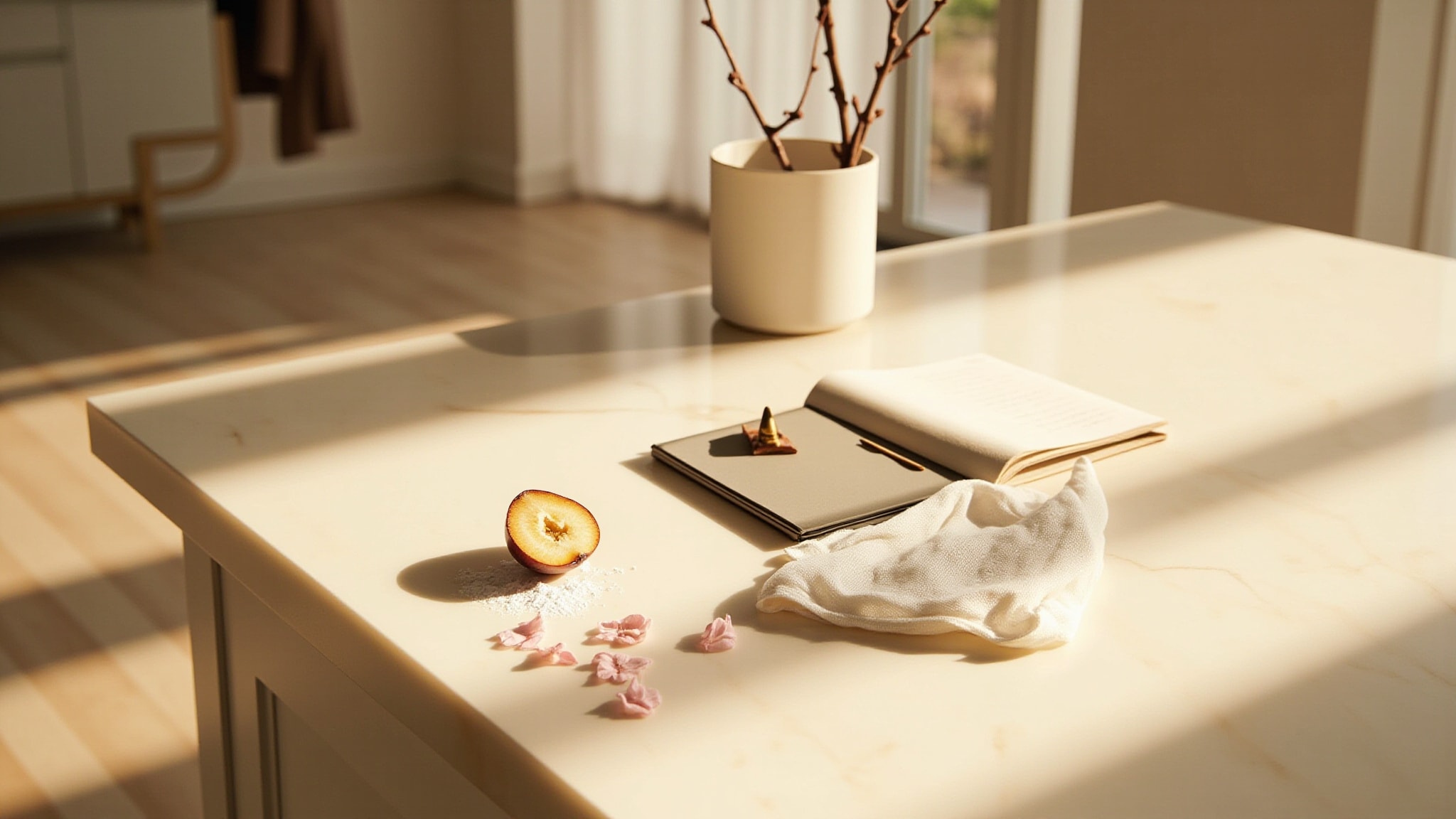
What makes this composition interesting is its refusal to compete with itself. Three notes: plum at the top, plum blossom in the heart, almond at the base. The genius is in the repetition. Plum and plum blossom share a fuzzy sweetness, and the almond underneath reads as the kernel inside the stone fruit, a third echo of the same idea. The result is a fragrance that smells like a single fruit seen from three angles, rather than a constructed accord. That monochromatic approach, building richness through resonance rather than contrast, is what gives it the powdery, almost edible softness that defined so many of the late-2000s florals.
The evolution
Eau de Fleur de Prunier opens with the soft sweetness of plum blossom, gentle and almost weightless on the skin. As it settles, the floral note deepens, taking on a creamy, milky warmth that lingers close to the body. The texture turns softer still, almost like the scent of skin after a cool shower, and the plum becomes more suggestive than literal. The almond emerges gradually, lending a nutty, skin-like warmth that smooths every edge and pulls the composition into something edible without ever crossing into sweetness. The almond note here is the marzipan-adjacent kind, the soft cherry-pit sweetness of stone fruit rather than anything overtly gourmand. Hours later, what remains is a close, intimate trace of the original bloom, soft enough to forget you are wearing anything at all, leaving only a quiet suggestion of petals in warm air.
Cultural impact
Eau de Fleur de Prunier sits in the sweet spot between Japanese restraint and the soft gourmand florals that defined the late 2000s. It appeals to the person who wants to smell like a memory of spring rather than a statement of it, someone drawn to quiet compositions over loud declarations. The fragrance occupies a particular corner of the floral landscape, one where the bloom is allowed to speak for itself without the volume of heavy base notes or dramatic sillage.