The Story
Why it exists.
The beginning
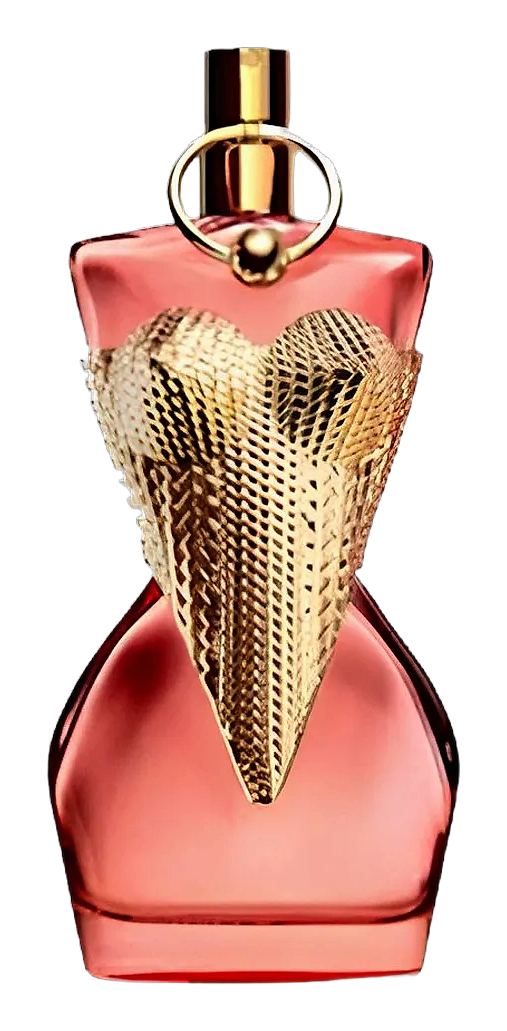
Jean Paul Gaultier founded his Paris house in 1976 and spent the next decade proving that fashion could be inclusive, gender-bending, and funny. When fragrance came, the principles translated directly: bottles shaped like torsos, scents built to be noticed. Divine Couture continues that tradition, this time with a gold-toned bottle and deep red liquid that reads almost like rouge. Quentin Bisch approached the composition the way Gaultier approaches fashion: nothing muted, nothing tentative. The choice of raspberry as the opening note is a statement of intent, bright and unapologetic, the olfactory equivalent of a bold print on a runway piece. Bisch understands that Gaultier fragrances are not meant to blend in, and the opening confirms this immediately.
The note structure of Divine Couture reflects a specific philosophy: each stage serves a distinct purpose and none are meant to be skipped. Raspberry is the attention-grabber, the note that makes you stop and pay attention. Meringue is the texture, the element that makes the fragrance feel wearable rather than overwhelming. Benzoin is the memory, the part that stays after everything else has faded. This is not a fragrance built for subtlety, and it does not pretend to be. The choice of raspberry as the lead note sets the tone for everything that follows, a fruit note with enough brightness to cut through but enough sweetness to feel approachable.
The evolution
The arc of Divine Couture follows a clear emotional trajectory from bold announcement to soft landing. Raspberry opens like a flash, vivid and slightly tart, the kind of note that fills a room without trying. Within minutes, the raspberry begins to soften, its edges rounding as the heart prepares to emerge. Meringue arrives not as a replacement but as a natural evolution, taking the bright fruitiness of the opening and giving it somewhere to settle. The transition feels intentional, less a dramatic shift than a smooth handover. As the hours pass, benzoin takes over, its warm resinous quality pulling the sweetness down into something more intimate. The drydown is not quiet exactly, but it is personal, the kind of stage where the fragrance exists most for the wearer and those standing close. By the end, what remains is a gentle warmth that lingers on skin long after the initial brightness has faded.
Cultural impact
Divine Couture picks up where Gaultier's iconic fruity florals left off, positioning itself as the house's latest statement in a lineage that includes Classique. With the 2026 launch and advertising featuring Yara Shahidi, the fragrance leans into a younger, more confident audience, one that wants sweetness with sharp edges. The combination of raspberry and gourmand elements reflects where women's fragrance has been heading for the past several seasons: sweet but not apologetic, floral but substantial.