
Heritage
A house, in its own words
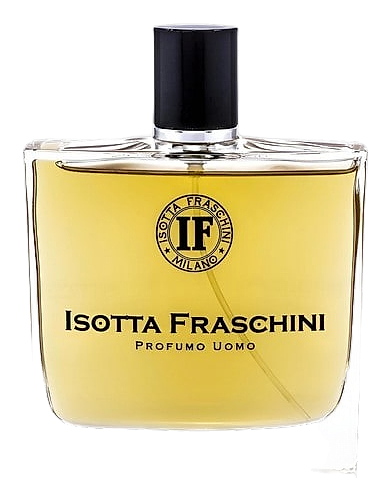
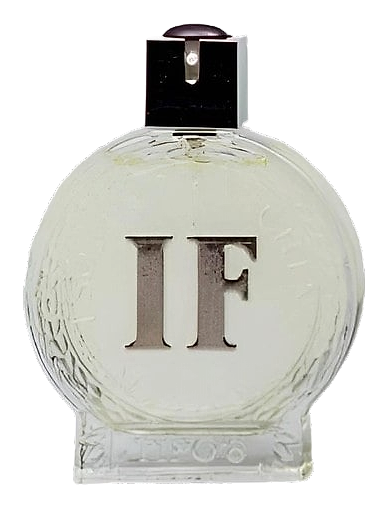
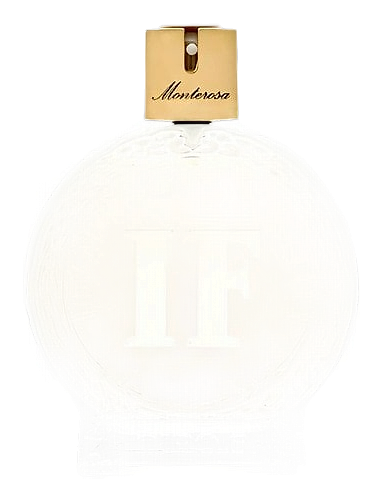
Isotta Fraschini’s name comes from one of Italy’s best-known early automobile marques. The automobile company was established in Milan in 1900 by società Anonima Isotta Fraschini & Co., following the earlier work of industrial designers and engineers associated with the Fraschini name. Its cars became closely connected with Italian motoring culture, including the celebrated Tipo 8 range. The fragrance house appears to extend that automotive legacy through names such as Tipo 8A, Tipo 8B, Tipo 8 Monterosa, and Tipo 8 Blue. The available records associate Tipo 8A, Tipo 8B, and Tipo 8 Monterosa with 2005, Tipo 8 Blue with 2003, and Profumo Uomo with 2007. These dates establish the fragrance line’s modern period, while the automotive reference supplies its broader cultural frame. The supplied research does not provide reliable, independently corroborated information about the fragrance house’s founding date, legal structure, original owners, or relationship to the automobile company. It also does not identify any perfumer. Those points should not be inferred from the name alone. What can be said with confidence is that Isotta Fraschini presents a fragrance identity rooted in a recognisable Italian automotive name and a concentrated series built around Tipo 8 references. The clearest creative direction available for Isotta Fraschini is the transfer of automotive identity into fragrance. Tipo 8 is not a neutral name in Italian culture, it carries the memory of a historic automobile lineage and suggests a vocabulary of engineering, proportion, travel, and personal style. Naming several fragrances within the Tipo 8 series, then extending the range with Profumo Uomo, gives the house a compact and identifiable structure. The catalogue appears to balance named variations with a more direct masculine fragrance title. However, the supplied sources do not include a verified statement from the brand about its perfumery philosophy, intended audience, or creative process. They also provide no evidence about the perfumers who developed these compositions. Any description of specific accords, olfactory storytelling, or design intent would therefore be speculative. The safest editorial reading is that the line uses automotive naming as its central organizing idea, turning a historic marque into a fragrance vocabulary. That idea is supported by the fragrance names themselves, while its deeper meaning remains undocumented in the available research.