
The Story
Why it exists.
The beginning
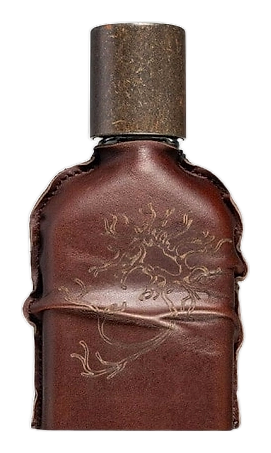
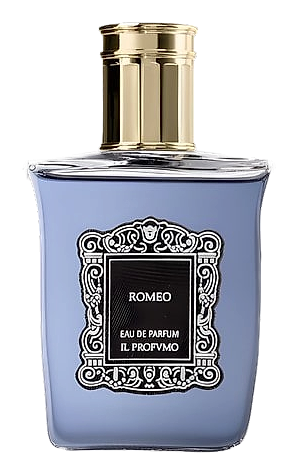
The Shakespearean trilogy concluded with Romeo. Not the tragedy itself, but the shape of it, the composition. Silvana Casoli founded this house in Reggio Emilia, each scent a different facet of olfactory thought. Romeo arrived in 2018 as the final note: decisive, woody, leathery. A composition that earns its ending.
Galbanum is the unusual choice here. It's not a polite note, it sits between herb and resin, carrying an almost medicinal darkness that most perfumers either avoid or bury deep in the base. Casoli made it the structural spine instead. The tobacco doesn't compete with it; the leather doesn't soften it. Instead, they're fellow travelers in a drydown that feels more considered than comfortable. This is a fragrance built around a challenge: let the strangest note drive the bus.
The evolution
The opening is rosemary and green air, sharp, clean, almost biting. Within minutes the galbanum asserts itself and doesn't let go. It remains the through-line for the next few hours, flanked by tobacco that reads more dry and leafy than sweet, while leather settles in quietly beneath. What surprises is the resinous quality that builds as the hours pass, the galbanum deepens rather than fades, taking on an almost oily weight. Vetiver and patchouli emerge, giving the drydown an earthy warmth that lingers close to the skin. The sillage leaves a faint green-resinous trace, herbaceous, persistent, and slightly unusual. The kind of ghost that makes you want to wear it again.
Cultural impact
Romeo occupies an unusual position in the niche men's market, a green fragrance that refuses to be polite. The galbanum-forward structure has drawn comparisons to neo-fougère compositions, though it lacks the traditional coumarin sweetness. What emerges instead is something resinous and almost challenging, a green note that leans assertive rather than soothing. The refusal to resolve into familiar masculine comfort gives the fragrance a quality that stands apart.