


Heritage
A house, in its own words
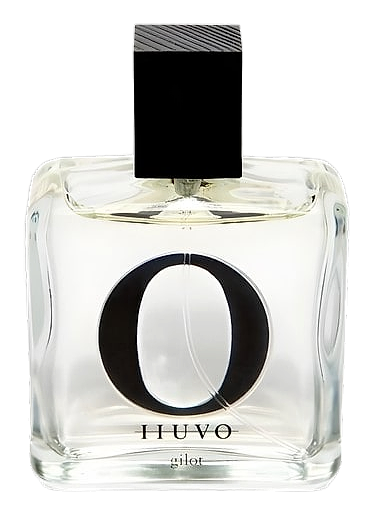
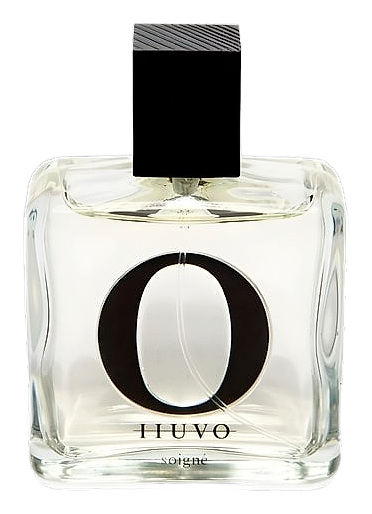
IIUVO began with Leo Gibbon and Tomi Ahmed, two East London founders whose previous lives were rooted in music and creative work. Ahmed had worked as a creative at Comme des Garçons, while Gibbon is a musician. The idea for the fragrance house reportedly emerged from a conversation, leading the pair to found IIUVO in 2015 as a London-based sensory project. Independent fragrance coverage has described the founders as young East London entrepreneurs and has connected the brand to the cultural language of music, art, and subcultures. The early work included candles as well as perfume, giving the company time to explore how scent could function beyond a conventional fragrance wardrobe. IIUVO’s first notable perfume names include Fonteyn, Gilot, and Soigné, all associated with the brand’s early period. A later collaboration with Mexican artist Stefan Brüggemann produced Bullshit, initially created in 2016 as a candle and later presented as a fragrance. Madame X, released in 2020, extended the IIUVO name into another distinctive release. Across these developments, the brand has remained tied to its founding premise that fragrance can be expressive, personal, and connected to a wider creative world. Public accounts differ on some launch details, but the founders, London setting, 2015 origin, and collaboration with Stefan Brüggemann recur across multiple sources. IIUVO treats fragrance as a form of personal communication rather than as a simple accessory. The brand’s sensory concept is rooted in the idea that a scent can carry a mood, a memory, or an imagined soundtrack. In an interview about the brand, Tomi Ahmed described the relationship between scent and music as central to IIUVO’s thinking, explaining that every scent has its own soundtrack. That belief gives the company’s names and releases a slightly theatrical, unconventional character. Fonteyn, Gilot, Soigné, Madame X, and Bullshit do not rely on a single, easily summarized fragrance language. Instead, they suggest personalities, references, and atmospheres. The founders’ backgrounds matter to this approach. Gibbon’s experience in music helps establish a rhythm between scent and culture, while Ahmed’s work at Comme des Garçons connects the brand to a wider practice of creative collaboration and conceptual design. IIUVO’s philosophy is therefore best seen as an attempt to make fragrance feel social and culturally legible. The company has also worked with artists, including Stefan Brüggemann, extending the idea of a fragrance composition beyond the brief of a named perfume house. The approach values interpretation, context, and individual response over a rigid definition of what fragrance should communicate.