Heritage
A house, in its own words
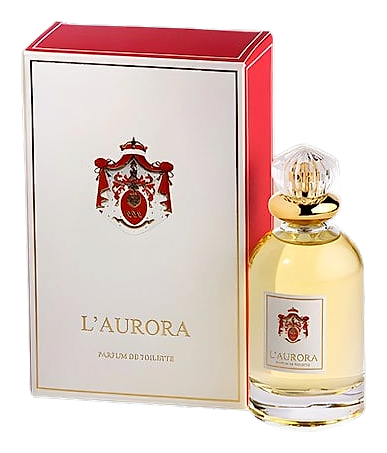
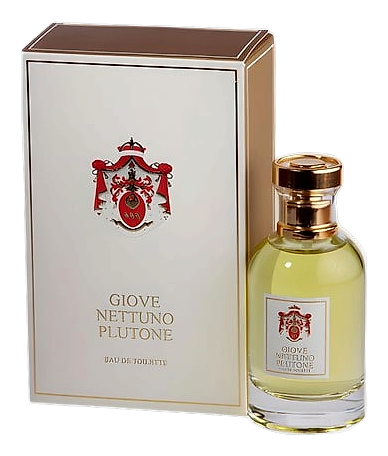
The story of HSH Prince Nicolo Boncompagni Ludovisi begins with a family whose Roman history stretches across several centuries. The Ludovisi family residence, Villa Aurora, occupies a site that has been shaped by the family's presence since the 17th century, with construction beginning in 1626 under Cardinal Ludovico Ludovisi, described in the Rutgers remembrance as Prince Nicolò's ninth great-granduncle. Prince Nicolò continued the family's cultural role as head of the Boncompagni Ludovisi family and established the Archivio Boncompagni Ludovisi, an international digital humanities collaboration founded in 2010. In 2012, he introduced the fragrance house with L'Aurora and Giove Nettuno Plutone. These scents were reportedly based on perfume formulas preserved in family records dating to the 1600s. Their release brought together the family's historic interiors, its archival legacy and the contemporary craft of Italian perfumery. The brand remains connected to Rome, where Villa Aurora and the family archive form an unusually tangible backdrop for a fragrance house built around historical formulae and family memory. The creative premise of HSH Prince Nicolo Boncompagni Ludovisi is revival through research rather than invention from a blank page. Fragrance formulae preserved in the family's historical records reportedly served as the starting point for the first collection. Prince Nicolò's role was that of cultural steward, while Lorenzo Dante Ferro translated archival material into perfumes intended for contemporary wear. This approach gives the collection a clear point of view: family history is not used as decorative copy, but as a source from which olfactory structure, naming and atmosphere can be reconstructed. L'Aurora and Giove Nettuno Plutone were both introduced in 2012, forming a compact debut that placed historic references beside the expectations of modern perfumery. The name HSH also reflects the Prince's title and public identity, while the house's Roman setting gives the work a strong sense of place. Its values are therefore best understood through preservation, interpretation and continuity, with the family's archive acting as both creative reference and institutional foundation.