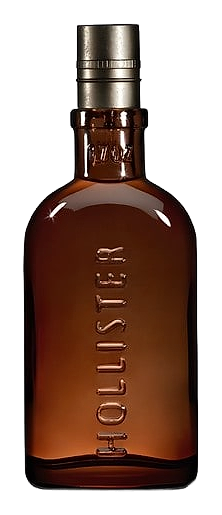

The Story
Why it exists.
The beginning
Jake arrived in 2005, a fragrance that didn't need a manifesto to explain itself. The name, the blue spray bottle, the uncomplicated juice inside. That's the whole pitch. No campaign film, no moody black-and-white print ad promising sophistication. Just a cologne that smelled like a warm afternoon and didn't ask you to think too hard about it. The composition leans on citruses in the opening and soft woody notes underneath, the kind of combination that feels instantly familiar even on first spray. It's not built for collectors hunting discontinued grails, and it wasn't chasing whatever the fragrance blogs were promoting that year. Jake is a simple, casual cologne meant for everyday wear. You grab it, you spray it, you go.
What's interesting about Jake is what it doesn't do. No oud, no tobacco, no heavy ambroxan pulling the composition toward serious territory. It's citruses on top, woody notes underneath, and that's roughly where it stays. The restraint feels intentional, almost minimalist by design. There's no dramatic drydown, no reveal of a base note that changes the whole story. What you smell in the first five minutes is essentially what you smell for the next two hours, just quieter.
The evolution
The first spray is where Jake lives loudest. Bright citrus lifts off the skin fast, almost fizzy, the kind of opening that catches your attention in a mirror. There's a sweetness in those top notes, fleeting but noticeable, like biting into a piece of ripe fruit at room temperature. Within ten minutes the woods underneath start to show, a soft, generic warmth that smells less like a forest and more like a candle called Coastal Breeze. That middle phase is the heart of the fragrance, though it barely lasts. The citrus and the woods mingle briefly, neither dominating, creating a smooth, almost soapy impression that's more clean than complex. By the one-hour mark, Jake has retreated to a skin-hugging whisper, warm and slightly sweet, close enough that only someone leaning in would catch it.
Cultural impact
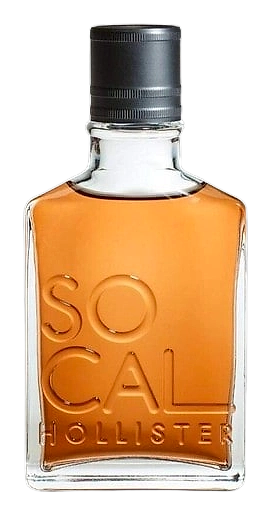
Jake belongs to a specific cultural register: the early-2000s American fragrance that smelled like the inside of a Hollister store. Wearers tend to describe it through nostalgia rather than technical analysis, and that tells you everything about its place in the fragrance world. The juice itself is straightforward, citruses and woods, nothing that requires a perfumery degree to parse. The notes are simple, the wear is short, the projection is minimal. What Jake offered was accessibility, a fragrance that anyone could walk into a store and buy without overthinking the purchase.