

Heritage
A house, in its own words
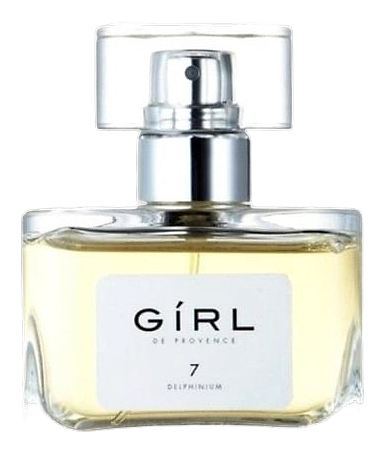
The documented history of Gírl de Provence begins with three floral fragrances listed in 2015: Lily Magnolia, Delphinium, and Wisteria. This compact release establishes a clear creative theme from the outset, pairing cultivated ornamental flowers with the name’s reference to Provence. Beyond those titles and their dates, the available record does not establish a founder, house origin, or earlier catalog, so it would be speculative to assign the brand a longer lineage. Its connection to Provence appears strongest at the level of identity and scent vocabulary. The region has a documented relationship with aromatic plants through lavender cultivation and perfumery, while the house names point more directly to the cultivated flowers of a French garden. The 2015 collection therefore reads as an intentional first statement: three floral expressions, each led by a plant with a distinct garden presence. Lily Magnolia carries the scale and brightness of its namesake blossoms, Delphinium suggests the tall flower spikes familiar to summer borders, and Wisteria evokes hanging clusters and shaded pathways. The historical sources supplied for this profile concern perfume in general, including its use in ancient Greece and Babylon and the discovery of a perfume workshop at Pyrgos in Cyprus from around 2000 BCE. They place fragrance making within a much older human context, but they do not document Gírl de Provence itself. The house’s verifiable story is thus recent and specific rather than a long institutional history: a floral trio launched in the same year, with a French-provençal identity visible in its naming and no public evidence here of a named creator. Gírl de Provence appears to build fragrance around recognizable botanical subjects, a choice visible in the names Lily Magnolia, Delphinium, and Wisteria. This approach gives each release a clear point of reference. Instead of presenting a generalized floral effect, the house names the plants that inspire it, allowing the wearer to imagine a garden, a flowering branch, or the atmosphere of a particular color. The Provence reference adds another layer. It suggests a restrained, pastoral register shaped by regional imagery, although the available record does not provide a formal statement from the house explaining its use of that identity. Within this documented collection, the central principle is consistency between name and olfactory idea. Lily Magnolia focuses on magnolia, Delphinium on one of summer’s most structurally distinctive garden flowers, and Wisteria on a climbing plant associated with grace, shade, and lavish hanging blooms. Together, they express variety within a single floral category. Their shared 2015 release also indicates that the house established this plant-led direction from the beginning. Without information about perfumers, ingredient lists, or reformulation dates, it would be inappropriate to make broader claims about creative process. What can be said is that the fragrance names privilege flowers as subjects rather than moods, occasions, or personalities. This makes the collection legible and visually expressive, while leaving room for each floral profile to retain its own identity.