









Heritage
A house, in its own words
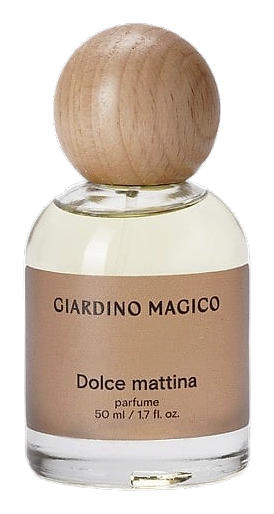
The story of Giardini di Toscana, the parent company behind Giardino Magico, traces back to 1942 when Silvia's grandparents established their small shop in Bibbiena, a medieval village nestled in the Casentino valley of Tuscany. This mountainous region, located northeast of Florence, has long been associated with artisanal craftsmanship and agricultural traditions. The family's move into perfumery represents a continuation of this regional heritage, translating the natural wealth of the Tuscan landscape into wearable scent compositions. The company remained relatively small-scale through much of its history, operating within traditional family business structures rather than pursuing aggressive expansion. Giardini di Toscana built its reputation gradually, developing a portfolio of fragrances that reflected the aromatic plants, herbs, and florals native to the region. The Giardino Magico line emerged as a contemporary expression of this heritage, targeting a modern consumer while maintaining connections to the family's decades of experience in scent creation. Unlike fragrance houses that can trace lineages through famous perfumers or royal patronage, Giardini di Toscana represents a more organic evolution from village shop to recognized brand, a trajectory common among European family businesses that prioritize continuity over rapid growth. The 2022 and 2023 fragrance releases from the Giardino Magico collection suggest the company found renewed energy in recent years, expanding its offerings with seasonal and thematic releases that explore different facets of Italian olfactory identity. Giardino Magico operates from a conviction that scent serves as a personal signature, an invisible accessory that communicates identity without words. Rather than chasing trend-driven formulations, the brand structures its collection around distinct mood profiles, allowing customers to select fragrances aligned with their emotional state or occasion. This approach treats perfume as an extension of self-expression rather than a mere luxury commodity. The Italian origin influences this philosophy significantly, drawing from a cultural context where appreciation for quality food, wine, and artisan goods shapes consumer expectations. Tuscan regional identity remains present in the brand's approach, though the fragrances themselves explore broader olfactory territory beyond strictly Italian ingredients. The decision to pair ingredients like oud with black pepper or fig with vanilla indicates an openness to global perfumery traditions combined with Italian sensibility. The brand reportedly emphasizes accessibility, positioning its fragrances as an entry point for consumers developing their fragrance vocabulary rather than exclusively for seasoned collectors. This educational dimension, if accurate, suggests an intent to build lasting customer relationships rather than one-time purchases.