







Heritage
A house, in its own words
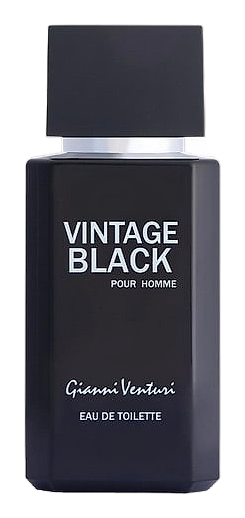
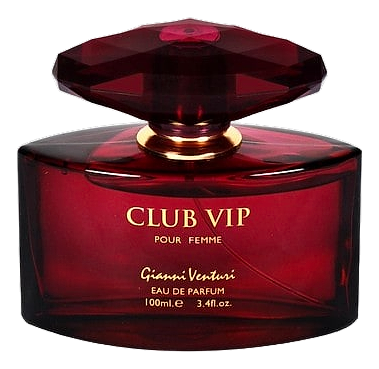
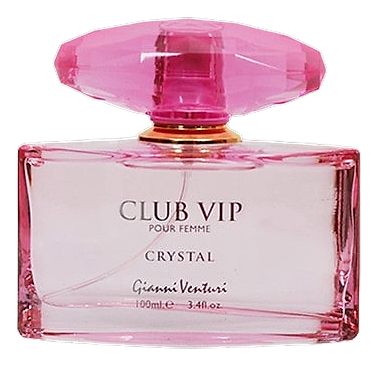
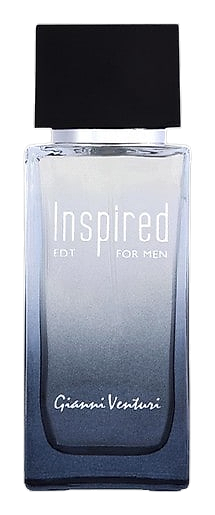
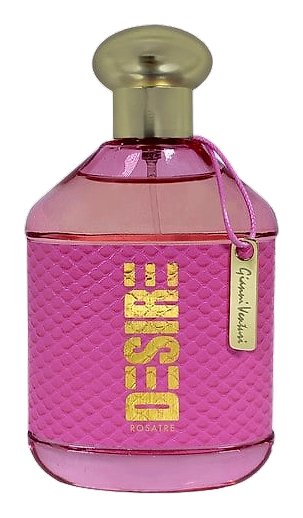
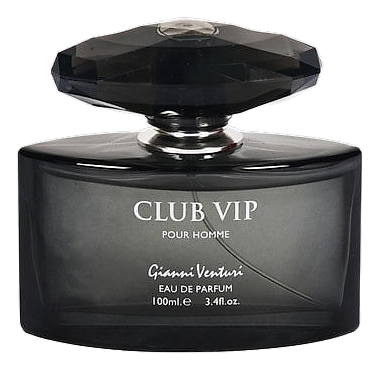
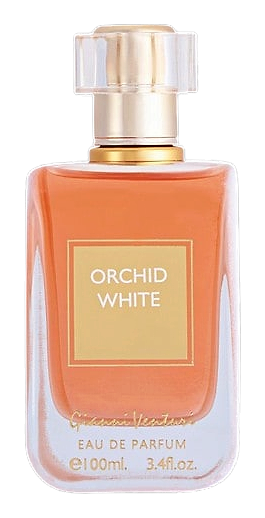
Gianni Venturi’s history begins with the founding of a fashion house in 1984 in a workshop in San Niccolò, Florence. The available brand account places the company within Florence’s independent fashion and artisan tradition, although the claim comes primarily from brand-associated material and should be read with that limitation in mind. The house later developed a fragrance catalogue with its earliest documented edition appearing in 2021. Releases listed from that period include Inspired Blue, Orchid Black, Orchid White, and Rosatre, followed by Orchid Blue in 2022. By 2024, the catalogue had expanded to include Bleu Sky, Cool Bleu, Rosatre, Vintage Black, Nuit Club, and Club VIP Men. A fragrance database records 27 perfumes for the label and dates the newest entries to 2024. That record provides a useful catalogue snapshot, but it does not establish the house’s sales history, production scale, or exact sequence of release. The surviving public record is therefore clearest on three points: the fashion house dates to 1984, the house is associated with Florence, and its documented fragrance work runs from 2021 to 2024. Claims about style, innovation, or fashion importance should be treated as brand language unless supported elsewhere. Gianni Venturi’s fragrance identity is built around names and atmospheres that connect clothing, mood, and occasion. The catalogue moves between color-coded floral references, such as Orchid Black, Orchid Blue, and Orchid White, and more nocturnal or masculine-coded titles, including Nuit Club and Club VIP Men. Bleu Sky and Cool Bleu extend the use of blue as a naming motif, while Vintage Black presents a woody, aromatic direction. This vocabulary suggests that the house organizes scent through visual and social impressions as much as through conventional ingredient storytelling. The approach is accessible for discovery, since names such as Vintage Black or Rosatre quickly establish an imagined mood before the wearer experiences the fragrance. Publicly available sources do not identify a consistent creative manifesto, perfumer, or detailed formulation philosophy for the house. As a result, it is safer to describe the collection through its recurring language and documented names rather than attribute broader claims about Italian perfumery, innovation, or exclusivity. The catalogue reads as a sequence of distinct scent concepts rather than evidence of one fixed house style.