
The Story
Why it exists.
The beginning
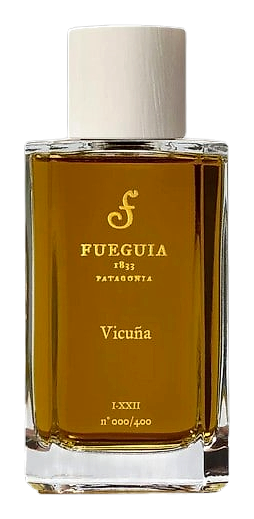
Inca emperors reserved vicuña wool for themselves alone. The animal roamed Andean salt flats at extreme altitude, its fleece so fine and warm it became a symbol of royalty and rarity. When Julian Bedel created Vicuña in 2022, he wasn't making a fragrance about wool. He was making one about altitude, the thin, clean air where vicuña still run free, cutting the Atacama with their golden coats. The scent is three materials in dialogue: cedar, walnut, cactus. Sparse on purpose. What Bedel understood is that scarcity is its own statement, and what you leave out matters as much as what you put in.
The note structure is a study in restraint. Three ingredients. Three registers. Cedar opens with the cool clarity of high altitude, that moment when cold air hits your lungs and everything sharpens. Walnut arrives next, not sweet but warm, dry wood that reads more like memory than material. Cactus grounds everything with a mineral, almost saline quality, the trace of moisture on stone after rain has passed. What makes this composition unusual is its refusal to resolve into something comfortable. There's no bridge between the cool opening and the warm heart, just a gradual handover, the way altitude gives way to shelter.
The evolution
Cedar arrives first and fast. It cuts clean, announces itself, then steps back within minutes. The handoff to walnut is gradual but inevitable, warm wood takes over and stays for the next several hours, dominant without being heavy. Then cactus begins its slow emergence in the final phase, mineral and close, the kind of note that lingers close to skin long after everything else has settled. On fabric, the arc differs slightly: cedar announces itself on the initial spray, walnut persists, and cactus surfaces quietly as the hours pass. The fragrance wears close and intimate, present to anyone standing near but never filling a room. Never loud.
Cultural impact
Vicuña doesn't compete for attention or try to impress. The sparse structure means it won't announce itself across a room. But for a wearer who values restraint and the feeling of wearing something considered rather than constructed, it's a rare find. The composition asks only for attention, never for dominance. Those who approach scent as discovery will find something uncommon here: a fragrance that lingers close to the skin, present to anyone standing near, offering a quiet intimacy that rewards the attentive wearer rather than broadcasting itself outward.