
The Story
Why it exists.
The beginning
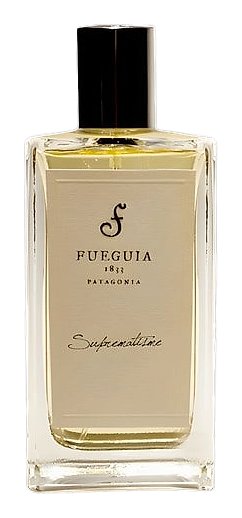
Suprematisme takes its name from the Russian avant-garde art movement Kazimir Malevich launched in 1915. Where the original Suprematist Manifesto rejected literal representation, create beauty, don't copy what already exists, Bedel applied the same logic to fragrance. Instead of reproducing the smell of real flowers, he set out to construct one. The brief was deceptively simple: build a bloom from molecular first principles, starting heavy and building delicate, layer over layer, without revision. Paradisone, a Firmenich captive molecule 800 times more powerful than its standard jasmonate counterpart, became the foundation. The rest followed from there.
The structure is unusual: a fragrance that opens at full intensity rather than unfurling gradually. Paradisone delivers that immediate, overwhelming green, the smell of something alive and electric, without the natural delay of real petals. Damascone adds the fruity-rose dimension. Acetate and salicylates push toward that watery, delicate quality that makes the heart read as both floral and slightly abstract. Rose and jasmine appear not as specific notes but as references, ghosts of flowers the composition nods toward without mimicking. The result is more idea than imitation, something the brand explicitly frames as constructed beauty rather than captured nature.
The evolution
The first spray arrives heavy and immediate. Paradisone doesn't wait its turn, it floods the space in one clean wave, green and sharp and aldehydic in its crispness. No gradual unfurling here. Within minutes, the imagined flower blooms: something simultaneously fruity and watery, sweet-floral without being identifiable, like biting into a fruit that doesn't exist. The Damascone keeps pulling the composition toward rose without ever arriving. Hours later, what lingers is mostly Paradisone and acetate, the green delicate echo of the opening, slightly transparent but still present. On fabric, the green persists longest. On skin, it softens but doesn't fully disappear. The next morning: a clean, slightly sweet trace, like the memory of a garden rather than the garden itself.
Cultural impact
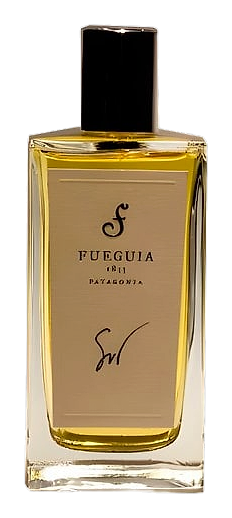
Suprematisme exists in a curious space: an ultra-limited run of 40 pieces, exclusively distributed in Russia, makes it one of the harder Fueguia 1833 releases to encounter. The brand's commitment to botanical research and constructed rather than captured fragrance aligns with a certain collector mentality, fragrance as object, not just scent. The Suprematist premise has no direct competitor: most floral fragrances aim to replicate nature more faithfully, not more vividly. For those who found it, the reaction tends toward fascination rather than indifference. For those who didn't, well, that's the nature of 40-piece releases.