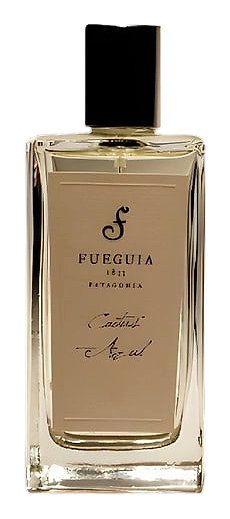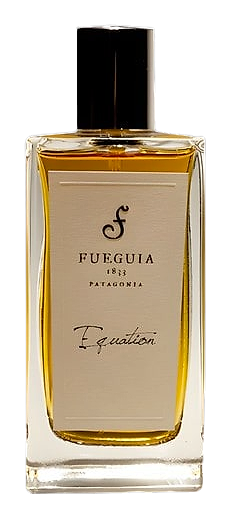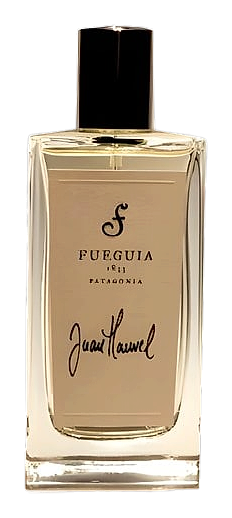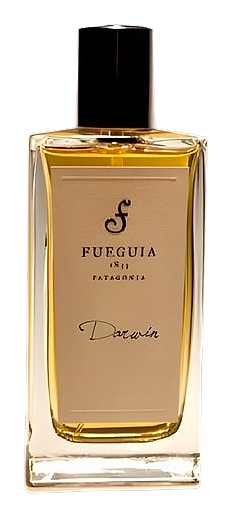
The Story
Why it exists.
The beginning
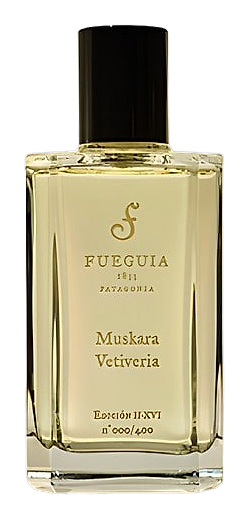
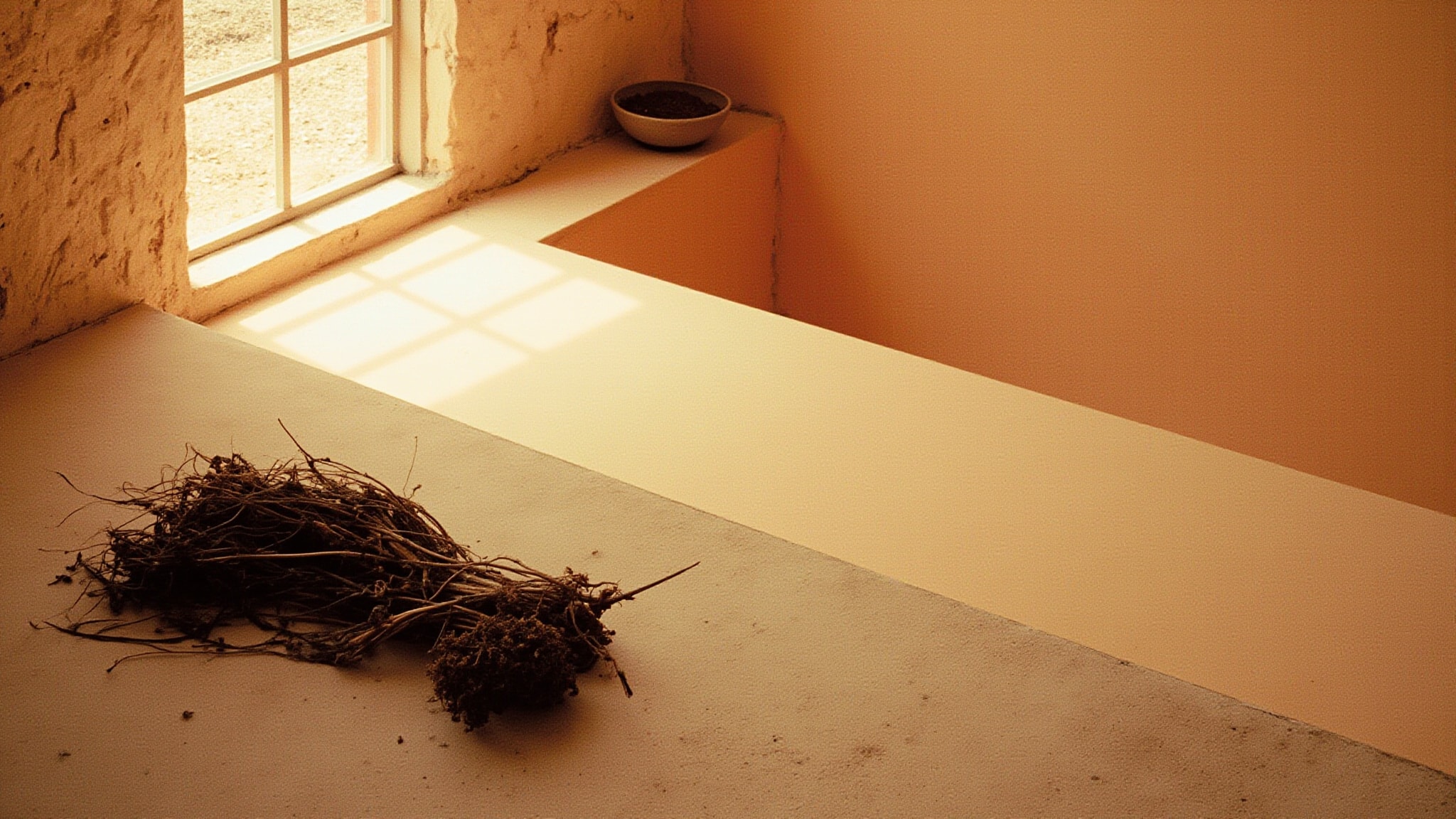
Muskara Vetiveria belongs to the Muskara collection, Julian Bedel's ongoing study of single ingredients, each fragrance built around one botanical material and nothing else. Vetiveria is vetiver as protagonist. No supporting cast, no camouflage. The concept behind the Muskara line treats perfumery like field research: isolate the subject, observe it completely. For Vetiveria, that subject is the root of Chrysopogon zizanioides, the tall grass whose underground network holds the earth together across tropical regions from Haiti to Java. Bedel's approach strips the material back to its essential character, the green brightness of cut stems, the mineral depth of soil, the dry warmth of roots dried in sun. What arrives on skin is not an interpretation of vetiver. It is vetiver.
The fragrance's structure is deceptively simple: open green, settle into earth, end with mineral warmth. Most fragrances use vetiver as a base note, a fixer, a background player. Vetiveria reverses that. The green, almost watery freshness arrives first, bright and immediate, before the earthy complexity underneath gradually takes over. By the drydown, vetiver has become the entire conversation. The result is a fragrance that rewards attention: what seems simple at first spray reveals layers of mineral nuance as it settles and warms against skin. The above-average longevity means the wait is worth it, this is not a fragrance that disappears quietly.
The evolution
The opening is fresh and green, immediately vetiver, wet grass, cut stems, the smell of something pulled from the earth moments ago. That initial brightness holds for thirty minutes or so before the scent shifts. Earth takes over. Not dirt, not soil, mineral earth, the kind that clings to roots. The green freshness fades into something deeper, rootier, with a faint mineral clarity underneath that keeps it from becoming heavy. Vetiver dominates from start to finish, but the character changes: fresh-cut becomes dried-in-sun, bright becomes warm. The drydown extends this mineral-earth quality into the evening. On most skin types, the scent stays close and intimate, moderate sillage that rewards the close encounter rather than announcing itself across a room. What lingers the next day is the trace: mineral warmth, the ghost of wet stone and deep roots. This is what brings wearers back.
Cultural impact
The house operates outside the typical luxury fragrance circuit, Patagonia-based botanicals, vintage presentation, scientific framing. Collectors who seek it tend to value authenticity over accessibility. The brand's commitment to single-origin botanicals and archival presentation creates a niche appeal that separates it from mainstream luxury perfumery.
The House
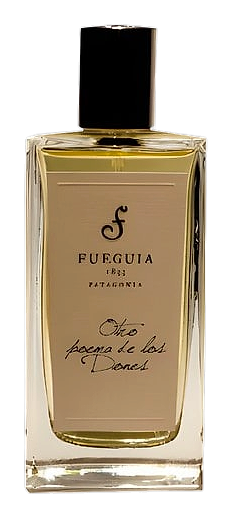
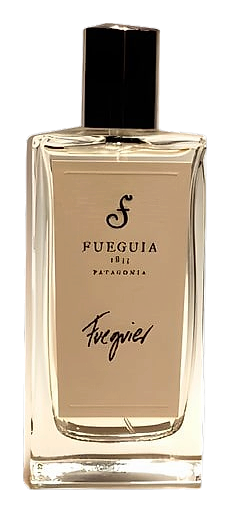
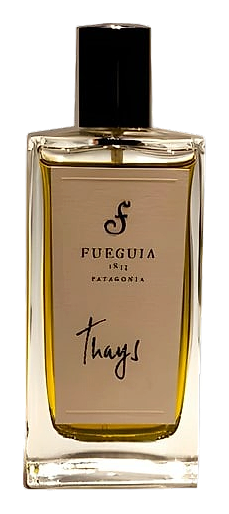
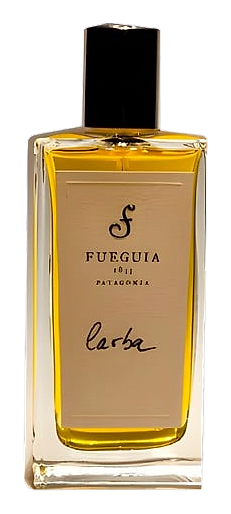
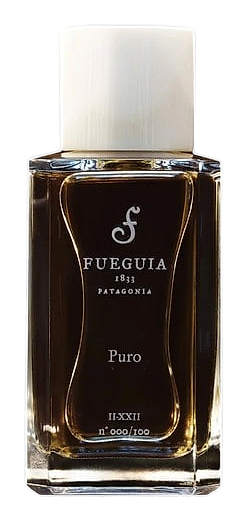
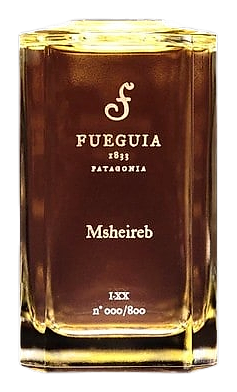
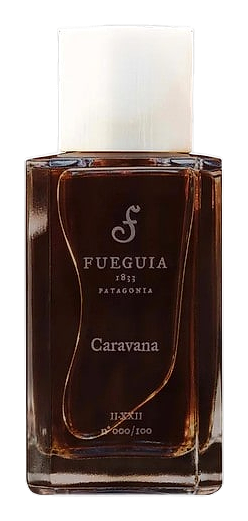
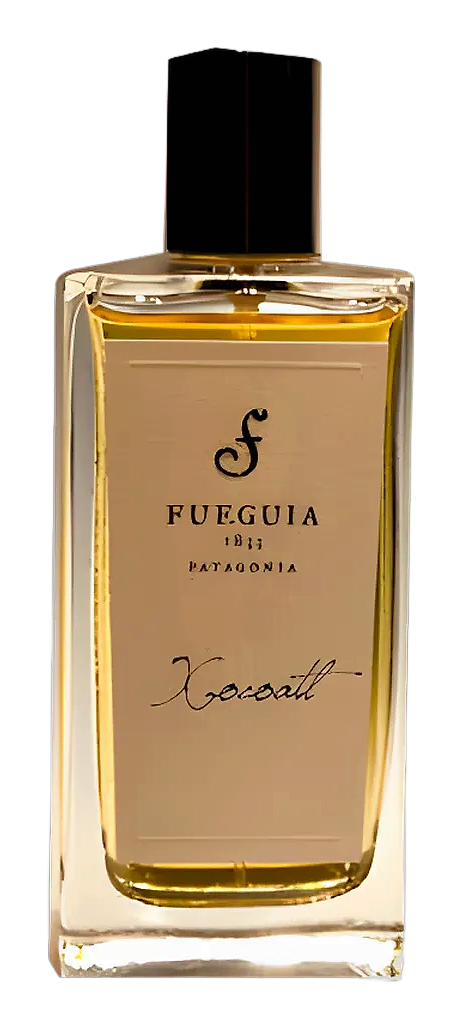
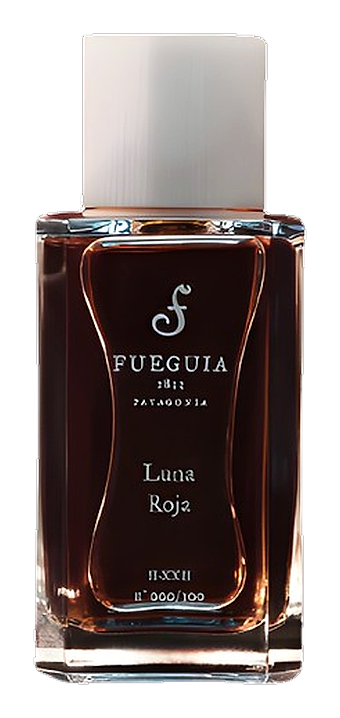
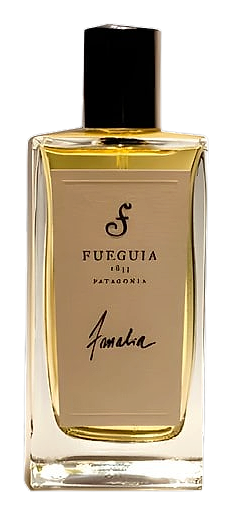
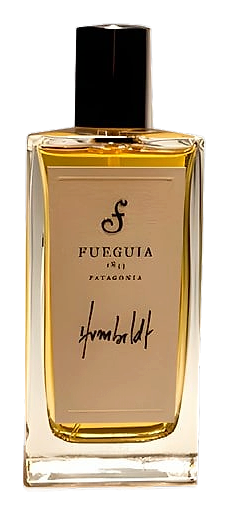
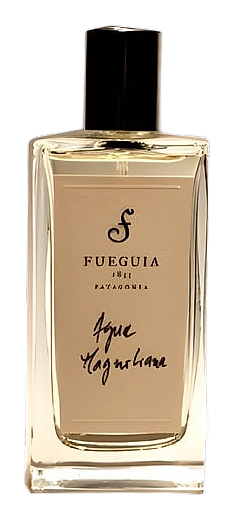
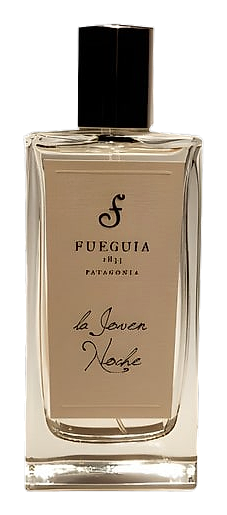
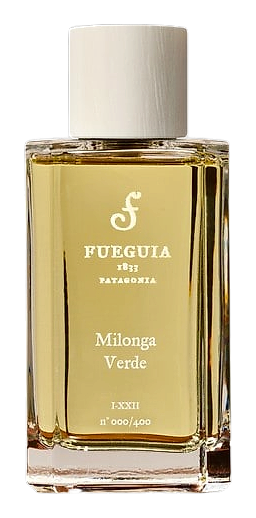
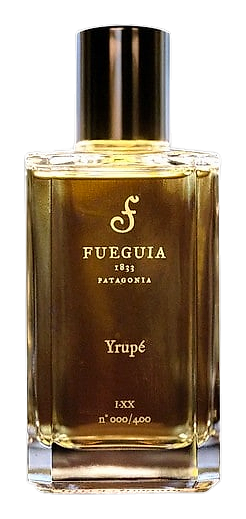
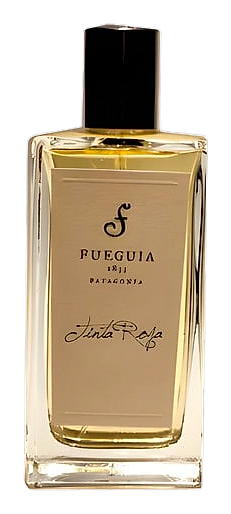
Fueguia 1833Fueguia 1833 is an Argentine fragrance house that creates limited‑edition scents rooted in the botanical heritage of Patagonia. Each perfume draws on medicinal plants harvested from the region’s wild landscapes, and the brand presents its creations as vintage‑style bottles that evoke a sense of travel and memory. The house operates a vertically integrated supply chain, growing, extracting and bottling its own raw materials, which allows it to maintain tight control over quality and environmental impact. Its collections, such as Rosa de los Vientos (2018) and Oud Jungle (2022), have attracted collectors who value authenticity and a narrative that links scent to place.
The Creator
Julian BedelJulian favors a palette that mixes rare South American botanicals with classic European absolutes. He often extracts essential oils from medicinal herbs such as catuaba, calafate and patagonian tea, then anchors them with ambergris, cedar and fine musks.