The Story
Why it exists.
The beginning
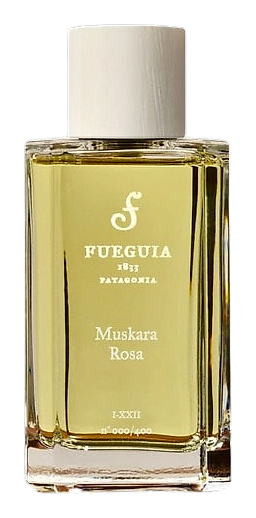
The Muskara collection explores what happens when a single material is pushed to its limits, stripped of garnish, forced to stand alone. Muskara Rosa asks the question differently: what if the most romantic flower in perfumery had nothing to hide behind? Julian Bedel built this around two notes only. Rose and sandalwood. No supporting cast, no clever distraction. Just the tension between them, and whether they can carry a fragrance on their own.
Rose and sandalwood is one of perfumery's oldest pairings, but most versions lean heavily on one or the other, a rose that merely nods to wood, or a sandalwood softened by floral decoration. Muskara Rosa refuses both compromises. Bedel uses multiple botanical varieties of sandalwood, extracted through different methods, to pull different facets from the same material. The result is a sandalwood that isn't just creamy, it moves. Changes. Holds something unexpected in its drydown that one extraction alone couldn't produce. The rose has to match that complexity, which means it arrives less sweet, more botanical. More raw than romantic.
The evolution
The opening is rose. Real rose, the kind that smells like the flower itself rather than a concept of the flower. There's a greenness here, a watery quality that recalls stems rather than petals. The sweetness is muted. What dominates is freshness, and underneath it, a fiber-bitter undertone that suggests the whole plant, not just the bloom. This phase lasts longer than expected, the rose doesn't immediately cede the stage. Then the sandalwood arrives. It doesn't burst in; it settles under the rose like a warm hand, holding the floral brightness without softening it into sweetness. But here's the surprise: the sandalwood carries something animalic. Not skatole exactly, this is a botanical house, but a mustiness that reads as skin-warm, as intimate. As the morning wears on, this note becomes mustier. More assertive. The rose thins but doesn't disappear; it becomes translucent, a ghost of itself still present beneath the wood. By midday, the mustiness rounds into a cleaner musk. The drydown is warm, powdery, and close.
Cultural impact
Muskara Rosa sits in a specific niche: natural perfumery that refuses to be polite. The rose isn't decorative; the sandalwood isn't a base. Both materials demand attention. For wearers who find most rose fragrances too sweet or predictable, this offers something harder to pin down, a botanical honesty that doesn't apologize for its rougher edges. The fragrance's animalic drydown has divided opinion since launch, but that's precisely why it endures. It's not trying to please everyone. Some compositions age well because they change. This one changes because it was built to.